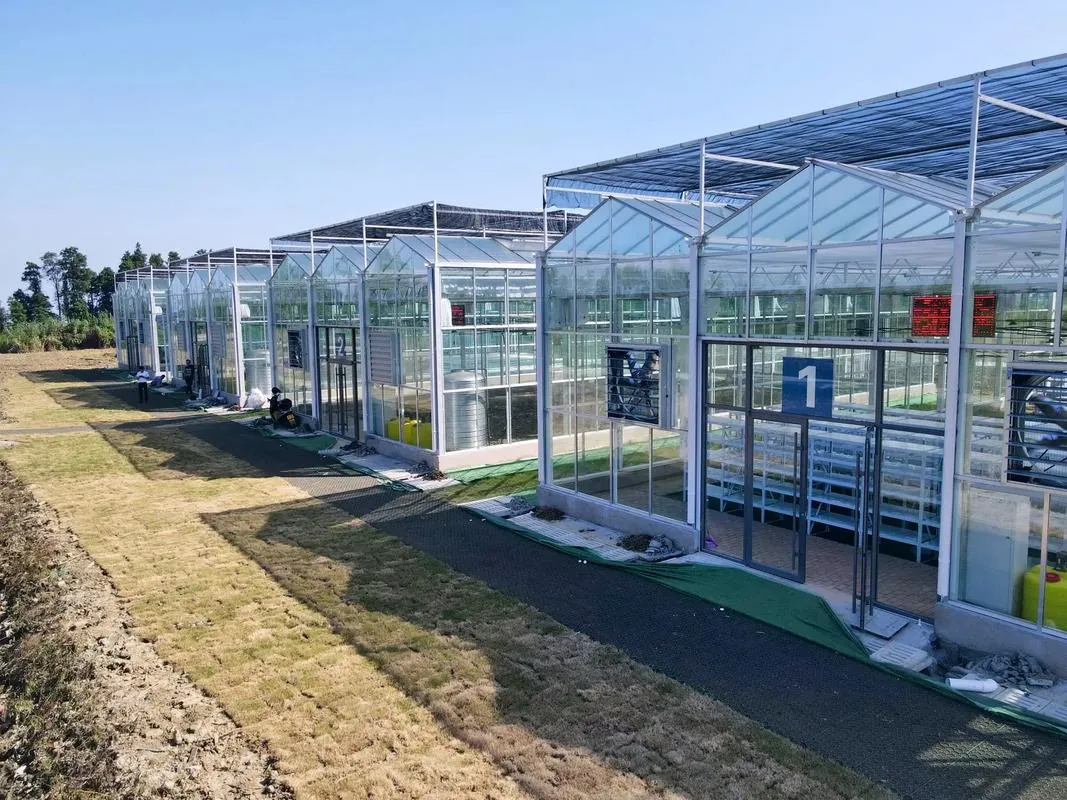
France: China's First Grafting Robot Now on French Tomato Lines
A closer look at the equipment, grafted seedlings and nursery checks behind an overseas grafting project.
Read Full Case
From Manual Grafting to Precision Automation with AiGRAFT
AiGRAFT Semi-Automatic Seedling Grafting Robot empowers the Brazilian vegetable nursery to graft 1,200 tomato seedlings per hour at ≥98% success rate. 5× manual productivity, turning scarce skilled labor into consistent, scalable output under rising soil-borne disease pressure.
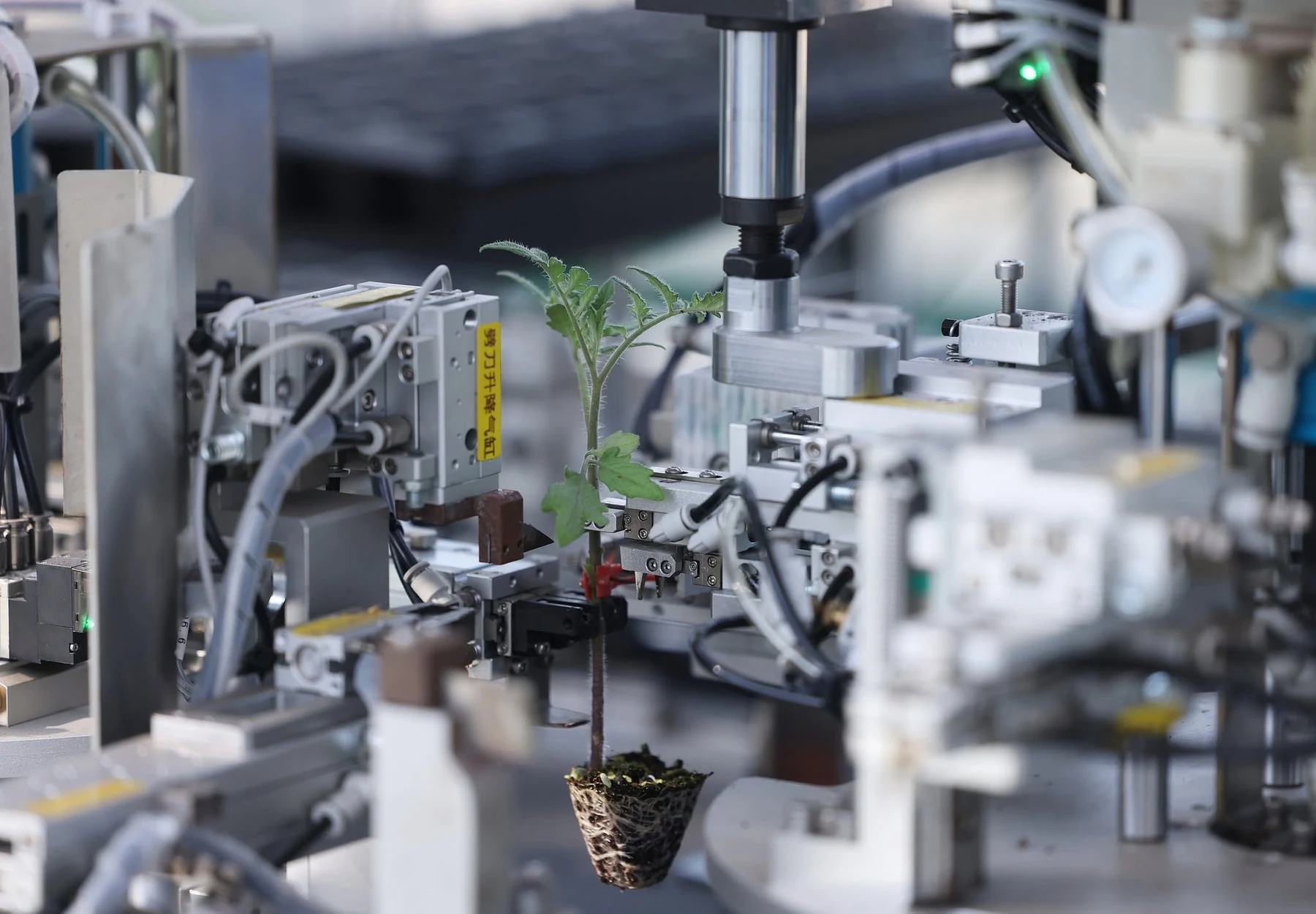
At this Brazilian nursery, the JFT-B1200TA grafting robot replaced the grafting workload of five manual workers, easing labor pressure and improving cutting and joining consistency. With suitable rootstock and scion matching and proper post-grafting healing, the nursery achieved graft survival rates above 98%, supporting its transition from manual grafting to more precise, standardized seedling production.
For nurseries assessing labor savings, compare the total crew time needed to produce an acceptable batch. Include preparation and collection on both the manual and machine-assisted sides. That gives the nursery a better basis for selecting equipment and planning the next production season.
The Brazil case is a starting point for a local crop trial. Equipment selection should follow the nursery's plants, people and production schedule.