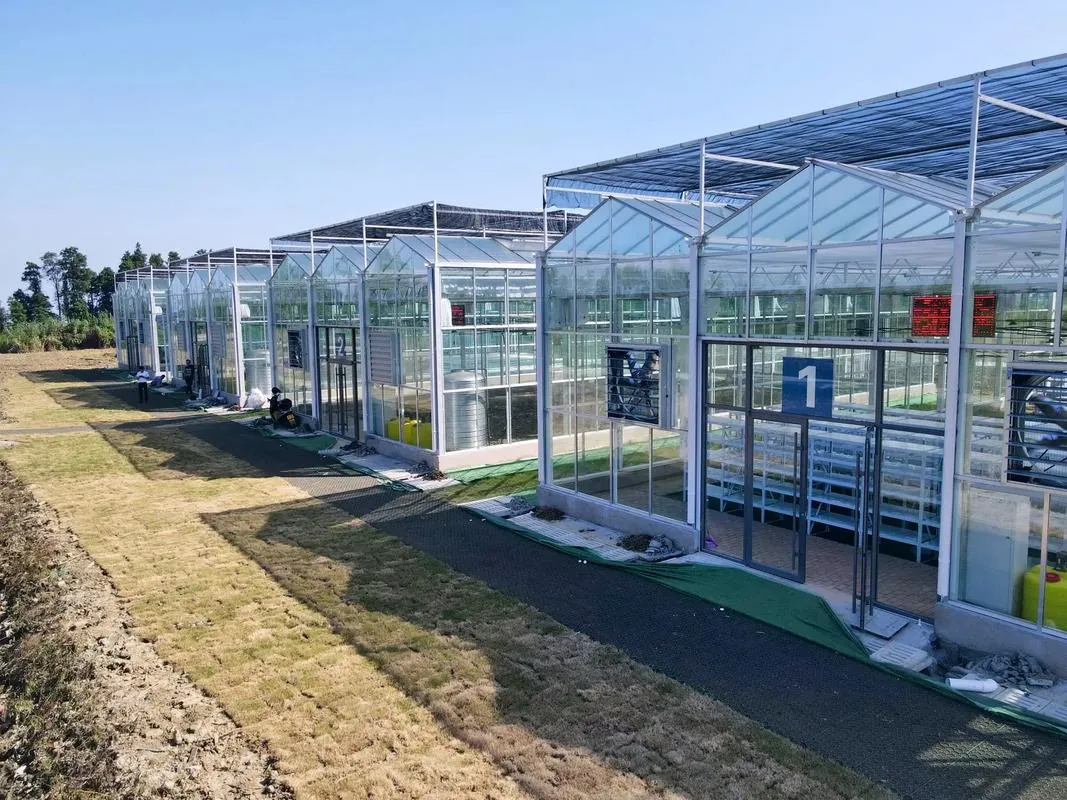
China: Operator Training for Semi-Automatic Grafting
A practical look at feeding roles, finished-plant handling and the training that remains after automation.
Read Full Case
One Empty Cell Is Small. Checking Every Tray Is Not.
Empty cells and weak seedlings turn a tray-ready task into a repeated inspection job. Workers have to check trays, find acceptable replacement plants and handle the plugs without damaging their roots. This Chinese case focuses on AiGRAFT's vision-guided seedling selection and replenishment workflow. Its purpose is different from ordinary transplanting: identify the positions that need attention and replenish them before the tray moves to its next nursery stage.
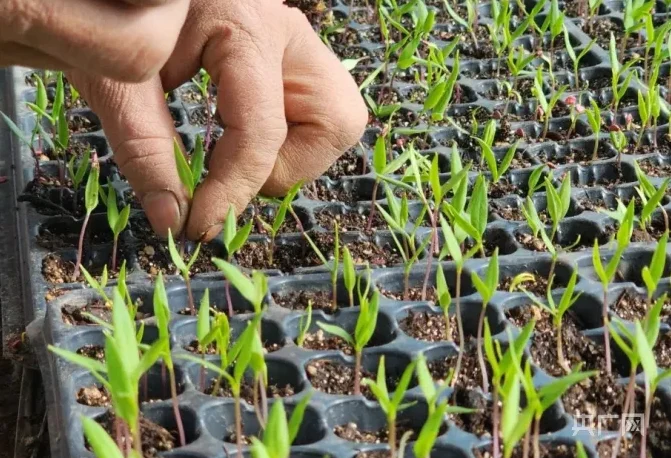
A camera-assisted selection process needs agreed visual criteria and a dependable supply of replacement seedlings.
The case video shows the mechanical replenishment sequence. In production, that movement depends on a decision made earlier: which cell needs another seedling? Empty-cell detection and the assessment of a weak seedling are different tasks, so the nursery should define and trial both with its own trays.
The replacement supply matters just as much. Donor seedlings need to be suitable for the destination batch, and their root plugs must tolerate the handling method. Filling a gap with a poorly matched plant can leave a visually full tray that still lacks useful uniformity.
Vision-guided replenishment should therefore be evaluated as one part of tray quality control. It does not correct the original cause of poor emergence, irrigation variation or a crop health problem. Those issues still need nursery management, alongside checks of the trays leaving the machine.