Why Does Grafting Quality Vary Between Workers and Shifts?
Different grafting results do not automatically mean one worker is more skilled than another. Seedling lots, workstation setup, tool condition, handling and healing can change between shifts. Investigate those differences alongside cutting, alignment and clip placement before deciding that operator technique is the cause.
For a nursery production manager, the useful question is not simply who completed the most trays. It is where the process began to produce fewer acceptable plants, and whether the same problem returns under comparable conditions.
Define Grafting Quality Before Comparing Output
Agree on what inspectors will accept at two separate points:
- At the grafting station: record visible defects such as an insecure union, displaced clip or handling damage, using criteria appropriate to the grafting method.
- After healing: assess whether plants meet the nursery's agreed requirements at the same assessment stage.
A tray can look complete at collection and still produce rejects later. Conversely, a slower worker may have been assigned a difficult seedling lot. Neither tray counts nor a single survival percentage explains the cause.
For a defined batch, use accepted plants after the agreed healing assessment divided by seedlings entering grafting as a process-yield measure. Keep its denominator consistent. Record seedlings rejected before grafting separately; do not silently remove losses to make a shift look better. This measures the combined process, not machine performance alone.
Look Upstream Before Comparing Workers
Start with the material issued to each station. Purdue's tomato grafting guidance emphasizes uniform seedlings and suitable rootstock and scion stem sizes. Varieties can grow at different rates, so equal sowing dates do not establish equal grafting readiness.
For a shift comparison, label the rootstock and scion lots and note their condition at issue. Ask whether the second team received the same combination and a comparable size range, or simply the remaining trays from an earlier run. Keep obviously unsuitable plants out of the comparison under the same rejection rules.
This is particularly useful when investigating tomato grafting problems across mixed orders. Compare like with like before combining results into a daily average.
Make the Grafting Standard Visible
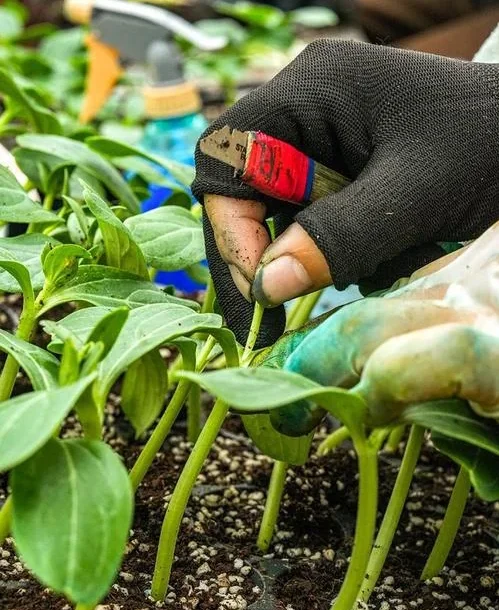
Instructions such as "make a good graft" leave too much room for interpretation. Give the team an approved reference for the crop and method: acceptable union position, clip placement and defects requiring rejection.
For tomato splice grafting, Purdue describes matching cut angles, maintaining contact between the cut faces and selecting a suitable clip fit. It also cautions against allowing cut surfaces to dry before joining. These principles do not establish one cutting angle or clip size for every crop.
Use reference photographs from your own approved process during training. Ask supervisors and operators to assess the same sample plants, then discuss disagreements. A shared acceptance standard is more useful than separate personal definitions of a pass.
Also observe the work itself. Is a worker reaching across trays? Are labels, clips or replacement tools out of reach? Does a change in seating or material presentation alter the handling sequence? Treat these as questions to test, not proof that the workstation caused a loss.
Keep Tool Condition and Hygiene in the Comparison
The USDA ARS tomato grafting reference explains that hands, cutting surfaces and tools can transfer plant-pathogenic bacteria and viruses. It stresses cleaning the work area and cleaning or changing blades frequently.
Include tool condition and the nursery's hygiene procedure in shift checks. Record when a blade was changed or cleaned, rather than assuming the next team starts with a fresh setup. Follow the validated procedure for the crop, equipment and cleaning product; this article does not prescribe a chemical or fixed interval.
Damaged plants or wilting alone do not identify a pathogen. Where disease is suspected, involve the nursery's plant-health adviser and keep affected lots identifiable instead of treating a workstation adjustment as a diagnosis.
Follow Each Tray Into Healing
A grafting-station inspection is not the end of the investigation. Washington State University's healing-chamber report explains the importance of limiting scion water loss while the graft recovers. Healing management belongs in a quality review, even when the apparent difference is between grafters.
Record collection and healing-entry times, tray destination and any departures from the nursery's established healing program. Check whether the shifts' trays were assessed after comparable recovery periods. Do not compare one batch early and another only after rejected plants have already been removed.
For the broader crop-management questions, see our guide to seedling matching and post-grafting healing. Here, the priority is keeping those factors visible in the shift record.
Diagnose the Pattern, Not Just the Percentage
The following checks are starting points for investigation, not proof of a particular cause.
| Observed pattern | Compare first | Next action |
|---|---|---|
| Rejects rise after a seedling-lot change | Lot identity, size range and preparation | Repeat a check with comparable material |
| Inspectors disagree about acceptable unions | Acceptance references and assessment stage | Review the same samples together |
| Defects increase during a run | Tool status, settings and supply interruptions | Record the change point and inspect the setup |
| One shift looks good at collection but worse after healing | Tray identity, transfer times and healing records | Trace matched batches through both inspection points |
| A problem persists at one station with different operators | Station setup and material presentation | Test the station under controlled conditions |
Avoid changing the clip, cutting setup, training method and healing program together. If the result improves, you will not know which change mattered.
Run a Fair Worker-and-Shift Comparison
Use a small, planned comparison before rewriting the whole production procedure. The following is a suggested nursery check, not a published trial protocol:
- Choose one crop, rootstock-scion combination and agreed acceptance standard.
- Supply comparable material to the stations being reviewed. Record exceptions rather than hiding them in an average.
- Label trays by batch, station and production time. Keep records for investigation and coaching, not public worker rankings.
- Inspect immediate defects consistently, then follow the same batches to the agreed post-healing assessment.
- Change one suspected factor and repeat the comparison across further batches before drawing a conclusion.
Use a short handover record to prevent undocumented changes between teams. Include the active lots, approved settings, tool status, pending trays, observed defects and healing destination. Name who is responsible for unresolved checks.
If the same defect follows a material lot across stations, investigate that lot. If it stays with a station across operators, inspect the setup. If it appears only after healing, expand the investigation downstream. These patterns help prioritize checks; none establishes causation on its own.
Decide What a Grafting Machine Should Standardize
An automatic grafting machine is worth evaluating when the investigation points to mechanical tasks that are difficult to repeat consistently by hand. It is less convincing as the first response to an unidentified quality problem.
AiGRAFT's seedling grafting robots include operator-fed JFT-B1200TA configurations. Workers supply rootstock and scion while configured mechanical stages carry out grafting operations such as cutting, positioning, joining and fixing. The exact sequence and suitability require confirmation for the application.
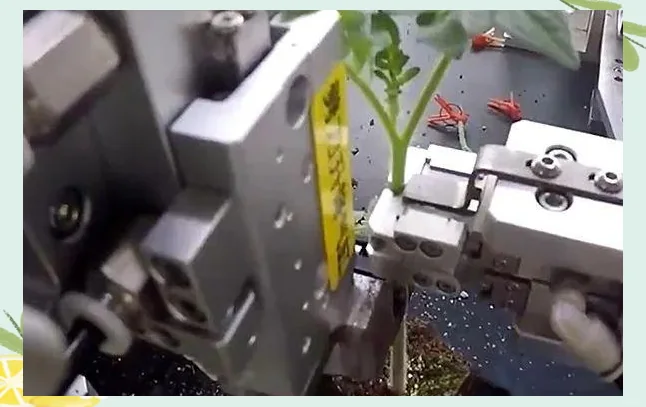
A semi-automatic grafting machine does not remove responsibility for suitable inputs, correct feeding, inspection, cleaning or healing. Nor does a fully automatic label prove that all these tasks are included. Our semi-automatic versus fully automatic grafting machine comparison explains the workflow questions to ask.
During an equipment trial, use your own seedlings and the same acceptance rules used for manual production. Ask which tasks the system controls, which remain with staff and how rejected plants are counted. Judge nursery automation by accepted output and the work required to achieve it, not just a machine counter.
Review the Process Before Buying Capacity
Bring the defect pattern to the equipment discussion. Share crop varieties, rootstock and scion details, stem-size range, trays, staffing, current method and healing arrangements. Include photos of both accepted and rejected grafts.
Discuss an AiGRAFT configuration for your nursery once those requirements are clear. A useful proposal should address the part of the process you need to standardize, with remaining operator duties stated explicitly.
Frequently Asked Questions
Does lower survival prove that one shift grafts poorly?
No. Compare seedling lots, immediate defects, handling, healing conditions and assessment timing before attributing the difference to operator technique.
Can a seedling grafting machine eliminate quality variation?
No. It can standardize selected mechanical tasks, but biological variation, feeding, setup, inspection and post-grafting care remain relevant. Confirm the scope of each configuration.
What should a nursery record for each shift?
Record batch identities, station, time, setup changes, tool status, immediate defects and accepted plants at the agreed healing assessment. Keep the counting rules consistent.
Should all crops use the same cutting angle and clips?
No. Crop structure, stem dimensions, grafting method and equipment configuration must be evaluated together. Do not apply a tomato procedure unchanged to every other crop.
What should we do when rejects suddenly increase?
Identify and separate the affected batch for review, check recent material or setup changes and trace its handling and healing records. Escalate suspected plant-health problems rather than diagnosing them from appearance alone.