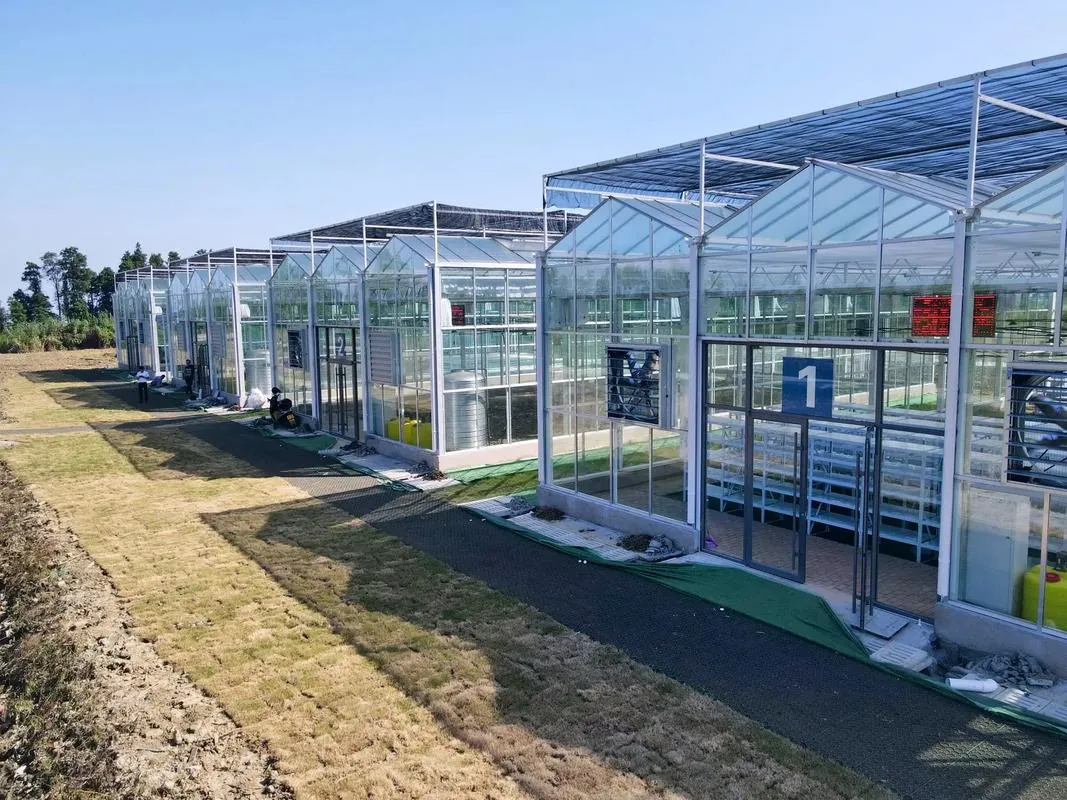
Why Do Plug Trays Need So Much Rework Before Dispatch?
The order is ready on paper, but the trays are not. Someone is replacing missing plants, someone else is separating small seedlings, and the dispatch team is counting everything again. The truck has a collection time; the correction table has a queue.
Plug tray rework often builds up when crop variation, unclear acceptance rules and unfinished handling tasks meet at the shipping area. More people at that table may clear today's order without preventing the same problem tomorrow. Start by identifying what is being corrected, when it first became visible and why it reached dispatch unresolved.
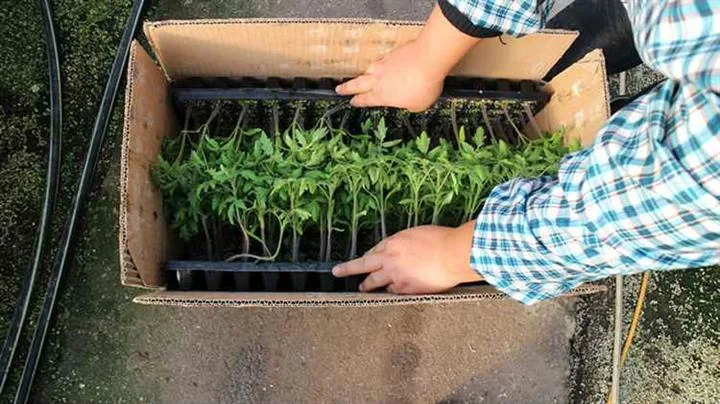
First, Separate Inspection From Rework
A final check is useful. Repeatedly removing plants, finding replacements and rebuilding orders is a different activity.
For this article, rework means extra correction needed to bring a tray or order to its agreed release standard. Scheduled grading or transplanting is not automatically rework. An inspection that passes a tray without adjustment is not correction either.
Before changing the process, confirm what the customer actually ordered: crop and variety, seedling stage, acceptable size range, usable plant count, tray format and delivery window. Does the contract require every cell to be filled, or a stated number of acceptable plants? A full-looking tray can still fail the specification. An unnecessary full-tray target can also create handling the customer never requested.
Why Do Corrections Reach the Loading Area?
Crop Differences Were Visible Earlier but Not Assigned
Empty cells and weak seedlings may have been noticed during growing, yet no one owned the decision to correct, hold or reject the batch. Dispatch then becomes the first point where someone must decide.
Utah State University's vegetable transplant production guide describes how nonuniform growing conditions can produce uneven emergence and development. It also explains that crop and tray characteristics affect production scheduling and management. A tray's shipping problem may therefore begin well before order assembly.
Use the defect pattern to direct an investigation. Recurring poor positions, repeated issues in a lot or a particular growing area deserve an upstream check, not endless replacement at packing. Our guide to empty cells and weak seedlings covers that production problem in more detail.
The Standard Changes Between People
One person accepts a small but usable seedling; the next removes it. A corrected tray returns to the queue because the packing team applies a different size rule.
Use an agreed reference for the order, including examples that require supervisor review. Define which smaller plants can be held for another order and which are rejects. If the buyer changes the specification, identify the affected trays rather than silently applying the new rule to everything already prepared.
Handling Creates Another Correction
Before moving replacement plugs, inspect substrate moisture and compaction, plug and cell dimensions, and roots extending through drainage holes or into neighboring cells. Treat unusually high extraction resistance as a reason to review the material and handling setup, not to apply more force.
Check plugs after extraction as well as before it. If replacements break apart or resist removal, investigate material condition and tray compatibility before increasing handling speed. Do not solve a damaged-plug problem by repeatedly pulling harder.
Identity and Counts Are Rebuilt at the Last Minute
A tray may contain acceptable plants but still need work because its label, lot identity or order allocation is uncertain. Mixing partially used donor trays into the dispatch area makes the problem harder to trace.
Decide where labels and order information should be attached before trays reach dispatch. Keep the identification with the material as it moves; do not rely on someone remembering which stack belongs to which variety.
Move the Decision Earlier, Not Just the Work
Moving the correction table away from the loading door does not, by itself, reduce rework. The useful change is to make readiness decisions early enough to act on them.
Use three distinct checkpoints, adapted to your production schedule:
- Readiness review: before committing trays to an order, compare their condition with the specification. Flag missing plants, mixed sizes, uncertain identity and any plant-health concerns.
- Controlled correction: route suitable trays through the required task. Keep donor material, held plants and rejects identifiable. Record what changed.
- Final release: verify the order, count, labels and condition before packing. Return failures to a defined hold area, not an unmarked pile beside released trays.
Set the interval between these checks for the crop and shipping schedule. Correcting too early without a later review can leave an outdated release decision; correcting only when the truck arrives leaves little room for alternatives.
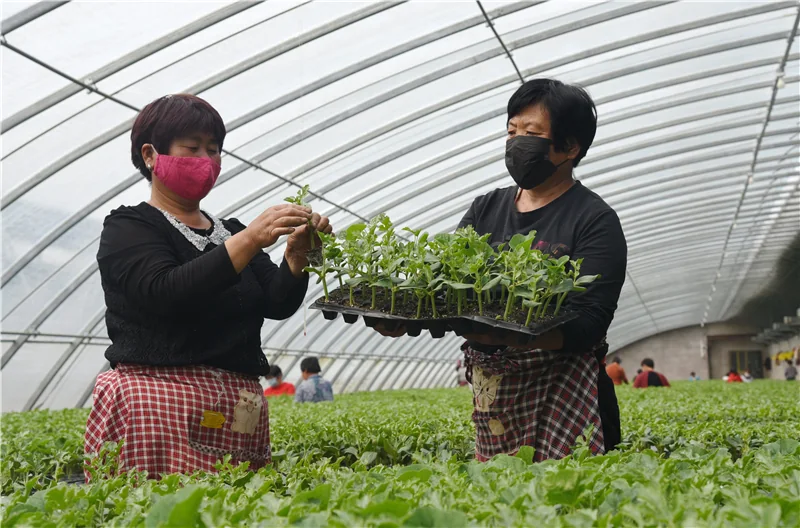
Replenishment Needs Qualified Donor Plugs
Plug tray replenishment depends on having suitable replacement plants. It cannot create acceptable seedlings from an unsuitable donor supply.
Keep the crop, variety, lot and relevant growth stage identifiable. For grafted plants, preserve the required rootstock-scion identity too. Do not substitute a visually similar plant when its identity is uncertain.
Define how donor plugs are approved, where partially used donor trays return and who checks the corrected tray. A donor that fits the cell mechanically may still fail the order's size or stage requirement. Seedling grading and replenishment therefore need a shared acceptance rule, even when different people or machines perform the tasks.
Suspected plant-health problems should follow the nursery's hold and assessment procedure. Filling gaps around affected plants does not resolve the underlying concern.
Measure Repeat Work, Not Just Completed Trays
A busy correction table can look productive while handling the same trays twice. Use a few consistently defined measures to find out whether that is happening.
| Measure | Suggested definition | What to investigate |
|---|---|---|
| First-pass release | Trays accepted without correction at the defined readiness check, divided by trays checked | Which defect categories prevent release? |
| Repeat-correction share | Corrected trays needing another correction before dispatch, divided by corrected trays followed | Did the first correction fail, create damage or use a different standard? |
| Rework labor per released tray | Inspection, correction, donor-handling and recheck labor minutes, divided by released trays in the same tracked group | Where is time going beyond the main correction task? |
These are suggested operating measures, not industry benchmarks. Record the crop mix and order requirements alongside them. Do not compare a simple single-variety order with a mixed order as though they required identical work.
Keep the record short: tray or lot, defect category, first discovery point, action and release status. Review the largest recurring category first. If most time is spent verifying labels, a faster picking mechanism is unlikely to be the first useful investment.
Where Can Nursery Automation Reduce Repetitive Correction?
Automation is worth evaluating when a clearly defined task repeats often enough to justify equipment. It is not a substitute for deciding what the customer will accept.
For repeated empty-cell correction and seedling replacement, AiGRAFT's JFT-F1000XA seedling selection and replenishment machine is the relevant equipment category. Its product description covers vision-guided inspection, selection and replenishment. Crop presentation, tray format, donor supply and acceptance criteria still need application testing.
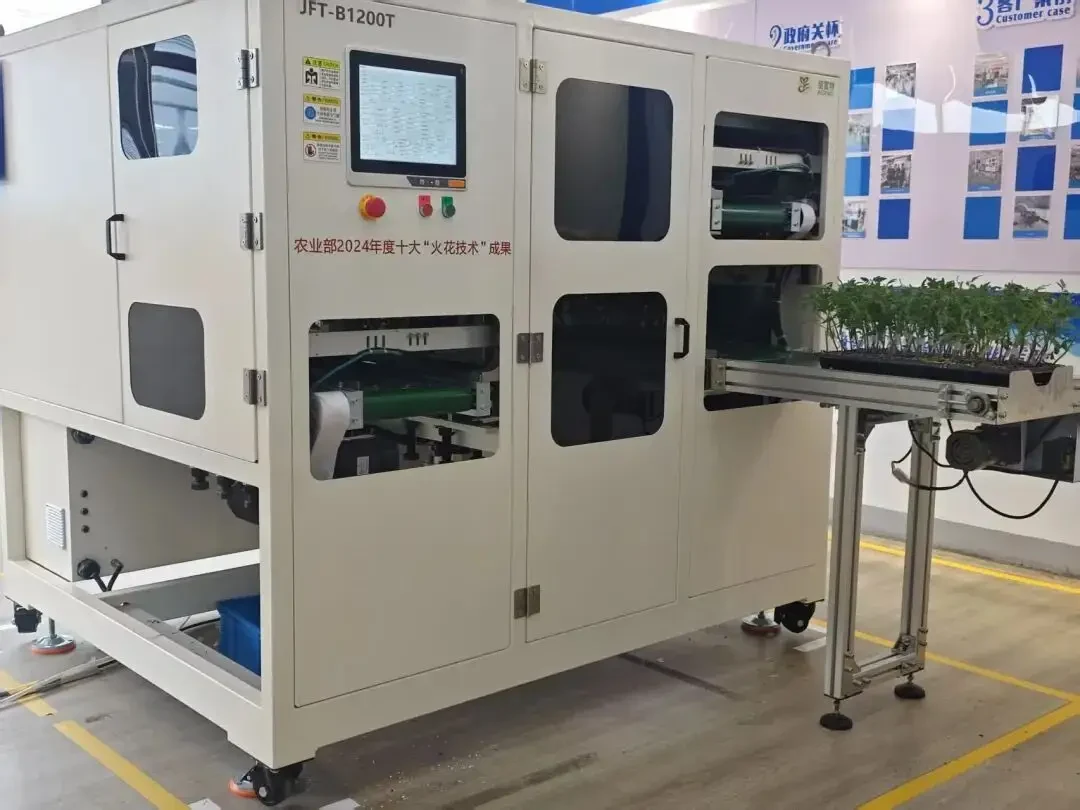
If the problem is acceptable seedlings mixed across size classes, the JFT-F1000XB automatic seedling grading machine provides a different function: classification using stem diameter, height and leaf information. Confirm the rules and destination for each class. Sorting plants is not the same as replenishing missing positions.
For the equipment distinction, see gapping, grading or transplanting. The dispatch question comes first: which repeated correction must disappear, and what accepted output must replace it?
Test the Workflow Before Buying Capacity
Bring representative trays to a machine trial, including normal defects, difficult plugs and borderline plants. Include the donor supply and operators required to keep the system running.
Measure accepted trays after the agreed check, not only seedlings moved. Record incorrect selections, missed positions, extraction damage, manual interventions and repeat corrections. Confirm what the camera evaluates; visible grading should not be treated as certification of plant health or hidden root condition.
Discuss your nursery dispatch workflow with AiGRAFT using tray specifications, photos, defect records, donor availability, order mix and required released output. The aim is a defined correction process, with the remaining checks and operator duties made clear.
Frequently Asked Questions
Must every plug tray be completely filled before shipping?
Not necessarily. Follow the agreed order specification for usable plant count, tray occupancy, variety and grade. A complete tray does not automatically meet all those requirements.
When should a nursery correct empty cells?
At a crop-appropriate stage when suitable donor plugs can be handled and the correction serves a defined production or order need. Allow time to review the tray before release rather than relying on loading-time correction.
Can a seedling gapping machine fix uneven growth?
It can correct selected positions with qualified replacements, within its validated scope. It does not remove the growing conditions or scheduling problems that produced the variation.
Can machine vision confirm that seedlings are disease-free?
Do not assume so. Confirm the specific visible traits tested by the system. Plant-health assessment and any required inspection or documentation remain separate responsibilities.
Which measure should we track first?
Start with first-pass release at one defined checkpoint and record why trays fail it. That gives the team a clearer starting point than total trays handled at the correction table.