Reducing Root Plug Damage During Seedling Transplanting
A seedling can look healthy in its propagation tray and still arrive in the next tray with a damaged root plug. The growing media falls away, the stem is squeezed, or the plug is placed too deep. Across thousands of plants, a small handling problem becomes a significant source of rework.
Reducing root plug damage starts before the first seedling is moved. Root development, moisture, tray condition and handling methods all affect how well a plug holds together during transplanting.
Why Root Plug Damage Matters
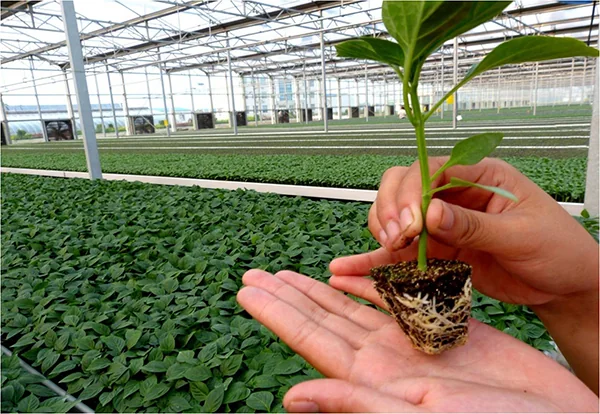
A well-formed root plug helps hold growing media together as a seedling moves into a larger tray or container. When a plug breaks apart, roots can be exposed or injured. Workers may need to replant damaged plugs, clean equipment or sort unsuitable seedlings. Stressed plants can also establish unevenly.
Alabama Cooperative Extension notes that a quality transplant should be removable from its cell with an intact root ball. Plug integrity is a useful checkpoint before increasing transplanting speed.
Common Causes of Root Plug Damage
Seedlings Are Transplanted Too Early
When roots have not developed enough to bind the growing media, plugs may crumble on removal. Sample seedlings from different tray positions. Check whether each root ball holds together and can be handled without excessive force. Seedling age alone is not a reliable test: root development varies by crop, growing conditions and tray size.
Plug Moisture Is Inconsistent
Dry plugs can be difficult to remove, and water-stressed seedlings need careful handling. Excessively wet or unevenly watered media may also produce inconsistent handling, depending on substrate and root development. UConn Extension recommends watering plugs before transplanting and avoiding dry, water-stressed plants. Check timing and moisture against the crop, media and workflow, including cells at the tray edges.
Seedlings Are Gripped Too Tightly
Tender stems can be injured when gripped too tightly, even when the plug appears intact. UMass Extension guidance stresses careful handling and appropriate planting depth. Train staff and check their work consistently.
Source and Destination Trays Are Not Well Matched
Cell dimensions, shape and condition affect removal and placement. Plugs may stick, destination holes may be too small, seedlings may be placed unevenly, and damaged trays can sit inconsistently. The destination cell should accommodate the plug without forcing it into the media. Plant at the appropriate depth for the crop.
A Practical Pre-Transplant Checklist
| Checkpoint | What to look for |
|---|---|
| Root development | The plug holds together when removed without excessive force. |
| Moisture | Cells are consistently moist and plants are not water-stressed. |
| Seedling condition | Stems and leaves suit the intended handling method. |
| Source trays | Cells are clean, undamaged and compatible with the removal process. |
| Destination trays | Cell size, hole preparation and spacing suit the plugs. |
| Placement | Seedlings sit at the intended depth and orientation. |
Sample trays from different parts of the batch. If plug quality varies, investigate before running the entire batch at full speed.
Track Damage Separately from Empty Cells
A full tray may still contain broken plugs, crushed stems or incorrect planting depth. Record seedlings inspected, broken plugs, visible stem damage, placement defects and rework. If 4 out of 100 inspected seedlings have broken plugs, the observed sample rate is 4%. Record crop, tray, batch and operating conditions. Agree sample size and acceptance criteria before comparing methods.
Manual and Automated Transplanting Both Need Suitable Seedlings
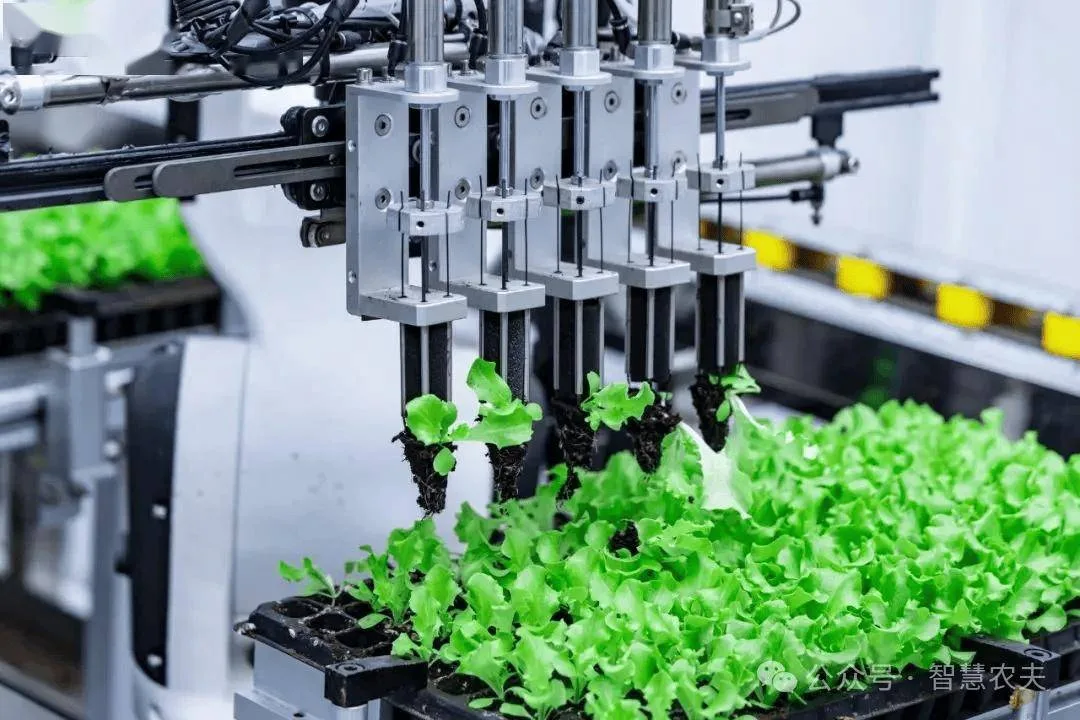
Automation can reduce repetitive plug-by-plug handling, but it does not replace preparation of transplant-ready plants. Evaluate crop and seedling size, plug strength and moisture, source and destination trays, placement depth, staffing and post-transplant inspection.
Use your own seedlings and trays to compare acceptable output, plug integrity and rework rather than comparing machine speed alone. See How to Choose an Automatic Seedling Transplanting Machine for Plug Tray Nurseries.
Where AiGRAFT Fits into the Workflow
The AiGRAFT JFT-F1000XC automatic transplanting machine is designed to transfer compatible seedlings from high-density propagation trays into lower-density growing trays or other suitable containers. The product page specifies a multi-gripper configuration and rated capacity of 12,000 or more plants per hour; actual results depend on seedlings, trays, setup and operating conditions.
Review the customer’s crop, plug condition, trays and capacity requirements before selecting a configuration. A trial using representative material can establish whether the transfer process meets the nursery’s standards for plug integrity and placement. Distinguish machine transfer rate from acceptable seedlings produced after inspection.
Frequently Asked Questions
Why do root plugs fall apart during transplanting?
Insufficient root development, inconsistent moisture, handling, tray condition and the removal method can all contribute. Inspect actual plugs before deciding on a cause.
How can a nursery reduce seedling damage during transplanting?
Start with transplant-ready plugs, consistent watering, suitable trays and careful handling. Inspect samples at the start and throughout the run.
Can an automatic transplanting machine prevent root plug damage?
A suitable machine may make handling more consistent, but cannot guarantee zero damage. Test the system with the nursery’s own seedlings and trays.
What should I prepare for a machine evaluation?
Provide crop and variety, seedling photos or samples, source and destination tray specifications, plug dimensions, current method, target capacity, workspace and acceptance criteria.
How should transplanting performance be measured?
Track acceptable seedlings per hour, damaged plugs, stem damage, placement defects and rework.