France | Customer Case Study

Breaking Into Europe: China's First Grafting Robot Now on French Tomato Lines

Customer inspection and grafted seedlings at a French nursery

A Machine Purchase Has to Work with the Nursery's Own Seedlings

For a nursery buying equipment from overseas, a specification sheet is only the beginning. The practical questions are closer to the bench: does the machine suit the seedlings, can the team work comfortably around it, and what happens to each tray after grafting? AiGRAFT's French tomato nursery case puts customer inspection and crop suitability at the centre of that conversation. The video shows the equipment being examined on site alongside the nursery's seedling production.

Nursery Commercial tomato seedling nursery
Country France
Crop Focus Tomato seedlings
Equipment JFT B1200TA Semi-Automatic Seedling Grafting Robot
Project Focus Connect equipment inspection with the nursery's tomato grafting and tray-handling requirements.
Operational Checkpoints Rootstock and scion matching; inspection of the graft union; transfer to healing
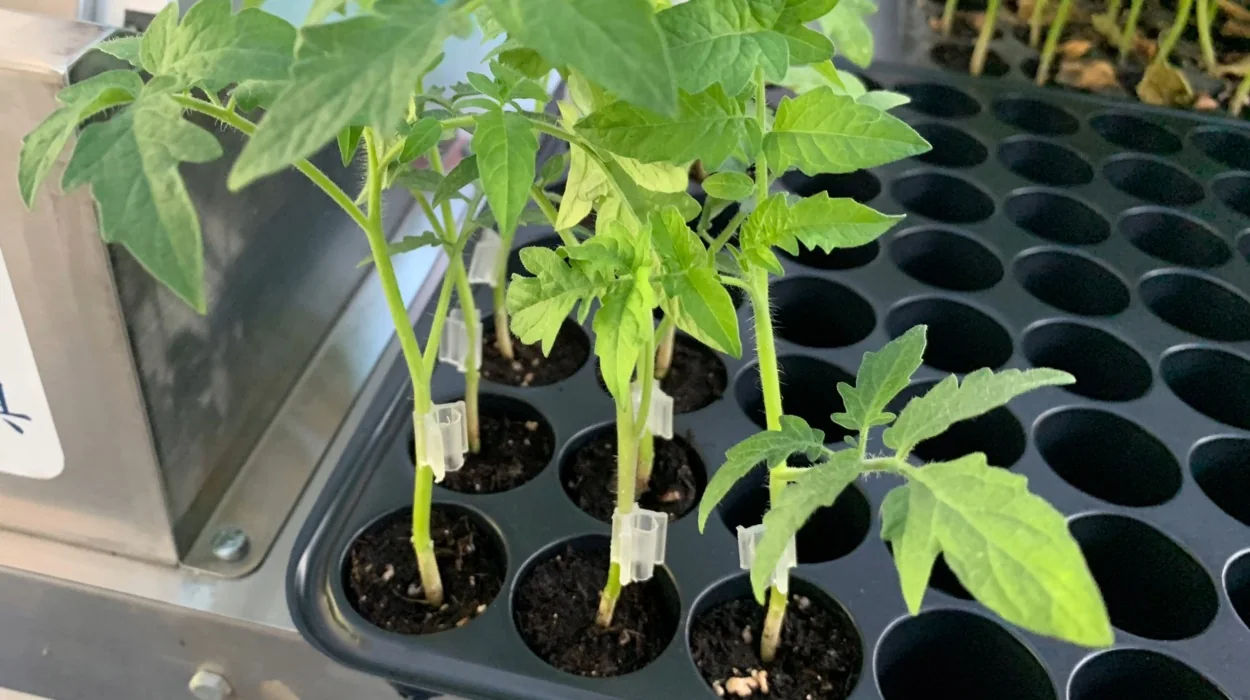
Grafted tomato seedlings supported by clips in a plug tray
Grafted tomato seedlings and clip support. 

Acceptance Means Checking the Plant, Not Just the Machine

An overseas delivery becomes useful when the nursery can connect machine operation with seedling preparation, quality checks and post-grafting care.

For tomato grafting, the rootstock and scion need to suit the selected cutting and joining method. Stem diameter, growth stage and the position of the graft union all matter when evaluating the setup. The nursery also needs a clear routine for collecting finished plants without disturbing the join.

The same acceptance approach is useful for other overseas buyers. Review a representative seedling batch, observe the full operator sequence, and agree how the grafted plants will be assessed after healing. This makes the discussion about the production process the customer will actually use.