What Should a Nursery Test Before Buying Automation Equipment?
A machine runs smoothly during a demonstration. The trays look uniform, seedlings move quickly and the finished batch looks convincing. The harder question is whether it will do the same job with your plants, your trays and your production team.
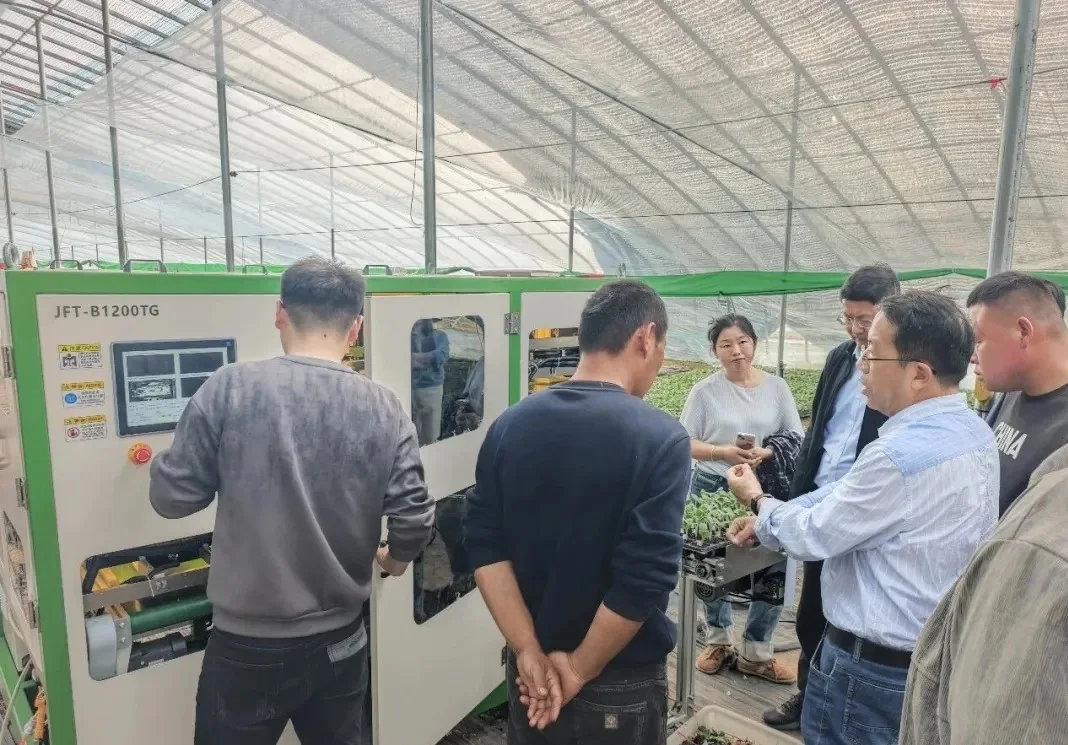
Before buying nursery automation equipment, test representative material, the exact proposed configuration, accepted output, manual interventions and the work surrounding the machine. Agree what counts as a pass before the trial begins. A short video of successful cycles cannot answer all of those questions.
The aim is not to make the supplier produce a perfect demonstration. It is to establish where the equipment works reliably, what preparation it needs and which jobs remain with nursery staff.
Bring Material from Normal Nursery Production
Use samples that represent the batches the machine will actually handle. Include normal variation within the proposed operating range, not just the easiest plants from the bench.
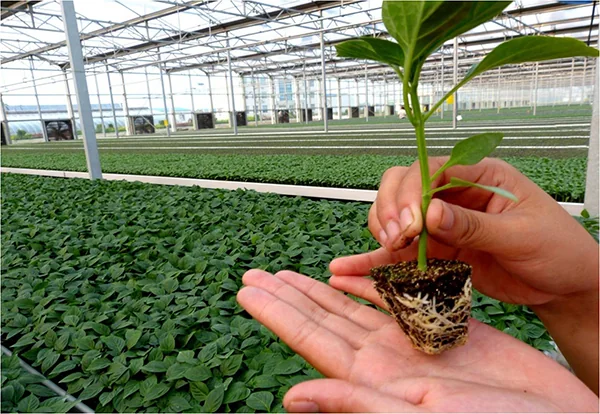
For a seedling machine trial, record crop and variety, growth stage, stem dimensions, plant height, root development, substrate and plug moisture condition. For grafting, identify both rootstock and scion. For precision seeding, identify the seed lot, seed form and tray preparation.
Provide actual source and destination trays where relevant. Cell count alone is insufficient: overall dimensions, cell shape, depth, spacing, drainage openings and tray rigidity can differ.
Utah State University's vegetable transplant guide explains how crop, container size and growing conditions affect transplant development. A successful run with one plant stage therefore should not be treated as evidence for every batch your nursery grows.
Agree which inputs fall outside the proposed specification. Keep out-of-range material identifiable; do not quietly remove it and then describe the result as representative of the whole crop.
Write the Machine Acceptance Checklist Before Testing
Define the job, the output standard and the rejection rules in writing. Otherwise, buyer and supplier may watch the same run and reach different conclusions.
The following checks are a starting point for an agreed protocol, not universal acceptance thresholds.
| Equipment stage | What to test | What to record |
|---|---|---|
| Precision seeding | Placement with the actual seed and prepared tray | Misses, doubles, placement variation and refill interruptions |
| Seedling grafting | Cutting, joining, fixing and handling with matched rootstock and scion | Completed grafts, immediate rejects, interventions and later batch outcomes |
| Selection and replenishment | Detection and correction of agreed empty or unsuitable cells | Missed targets, acceptable plants removed, unfilled cells and donor use |
| Seedling grading | Separation against nursery-defined plant categories | Disagreements with reference assessment, unclassified plants and handling damage |
| Automatic transplanting | Extraction and placement between specified trays | Missed plugs, broken plugs, damaged plants and placement errors |
| Connected workflow | Loading, handovers, collection and identification | Waiting time, queues, manual work and batch traceability |
Specify who checks the output, how disagreements are resolved and when a changed setup requires another run. Keep the original results as well as the retest; repeated adjustments are useful information for the buyer.
Measure Accepted Output, Not Just Cycle Speed
Count the plants or trays that meet the agreed requirement. Keep rejected output separate from completed machine cycles.
Accepted output per elapsed hour = accepted plants or trays divided by elapsed run time in hours.
For this measure, keep normal waiting and intervention time inside the run clock. Record setup, cleaning and changeover separately, then include them when estimating a production day's capacity. A short uninterrupted cycle rate and a full-day output estimate are different measures.
Record everyone involved: loading, checking, supplying material, collecting output and helping with adjustments. Labor input is the sum of their person-hours within the declared task boundary, including an agreed allocation for shared support.
Compare the existing process using the same output standard and task boundary. A machine trial that excludes preparation cannot fairly be compared with a manual shift that includes it. Use these measured inputs in your nursery automation ROI calculation, rather than inserting nameplate capacity as daily saleable output.
Watch the Interventions and the Changeover
Ask the proposed operators to work through routine tasks after suitable training, while the supplier observes. Watching a specialist operate the machine does not show how your team will manage it.
Log what causes an intervention, who resolves it and how long the interruption lasts. Include material replenishment, tray presentation problems, output collection and settings adjustments. Distinguish a supplier-only adjustment from a task a trained nursery operator can perform.
Then test a commercially relevant changeover: another approved tray, crop batch or seed format. Record the parts, settings, checking and time needed before acceptable production resumes. Do not assume a changeover is included in the quoted configuration.
Inspect cleaning access and ask for the documented procedure. Confirm consumables, spare parts, routine maintenance responsibilities and support arrangements. Any demonstration involving faults, guards or stopping behavior must follow a procedure defined by competent personnel; do not create improvised hazards to test the machine.
Check Plant Outcomes Beyond the Machine Exit
A graft that looks properly joined is an immediate process result, not proof of survival after healing. Agree the later assessment point, keep batch identity and record the healing conditions alongside the count.
Retain the starting batch count and explain any plants removed before assessment. If comparing machine and manual grafting, use comparable plant material, handling and healing conditions. Otherwise, the difference cannot sensibly be attributed to the machine alone.
For transplanting, inspect plug integrity, stem and leaf condition, and placement immediately after transfer. Where recovery matters to the buying decision, agree a later plant assessment as well.
For vision-based selection or grading, compare machine decisions with an agreed reference assessment. Count acceptable plants incorrectly rejected separately from unsuitable plants missed. A single headline accuracy figure can hide which error is creating nursery rework. Visible sorting is also not a substitute for plant-health diagnosis.
Separate Factory Testing from Site Acceptance
Factory testing checks the identified equipment configuration under recorded conditions. Site acceptance checks whether the installed equipment works within the agreed nursery layout, utilities, material flow and operating arrangements. Define both stages and their commercial consequences in the purchase agreement.
A factory acceptance test should identify the model, tooling, software or settings, samples, operators, measurements and unresolved issues. If a substitute tray or plant was used, state the limitation rather than treating it as the buyer's completed trial.
For site acceptance, include actual loading and collection routes, utility availability, batch identification and agreed interfaces with surrounding equipment. A successful standalone test does not approve a connected line.
The UK HSE's equipment guidance highlights intended use, users, training and installation checks. Obtain the documentation and competent review appropriate to the destination country. A performance test is not a safety certification or a legal compliance assessment.
Apply the Test Plan to an AiGRAFT Configuration
AiGRAFT's nursery automation equipment range covers precision seeding, grafting, selection and replenishment, grading and transplanting. Evaluate the required stage against its own inputs and output standard, rather than assuming every machine solves the same problem.
For a seedling grafting robot, confirm which feeding, cutting, joining, fixing and transfer functions are included. An operator-fed configuration retains manual loading; higher automation changes the task boundary and still needs a defined operating plan.
For an automatic seedling transplanting machine, start with the actual source and destination trays, plug condition and placement requirement. If the underlying problem is uneven or incomplete trays, first distinguish gapping, grading and transplanting. Moving plants does not by itself establish that they have been selected to the nursery's quality standard.
Turn the Trial into a Purchase Decision
Ask for a written test record alongside the quotation: tested configuration, accepted input range, output counts, intervention log, changeover requirements and unresolved items. State what will be retested and who is responsible before accepting a changed setup.
Discuss a nursery equipment evaluation with AiGRAFT using crop details, seed or seedling information, tray drawings, production targets, operator arrangements and your quality criteria. A useful proposal should explain what needs testing, not simply repeat a catalogue speed.
Frequently Asked Questions
How many trays should a nursery use for a machine trial?
There is no single sample count suitable for every purchase. Agree enough representative batches and operating time to examine normal variation, interruptions and changeovers. A small trial has limited scope; document what it did not test.
Can a remote video demonstration replace an in-person trial?
It can support an evaluation if the material, configuration, complete run and output checks are identifiable. Request the full run and count record, not only edited highlights. It does not replace checks on the installed nursery workflow.
Does a successful trial prove compatibility with other tray formats?
No. Record each tested source and destination format. Ask what tooling, settings or mechanical changes another format requires and whether it needs a separate trial.
Should plug damage count if the plant is still upright?
Include plug integrity in the agreed acceptance criteria rather than relying only on appearance. Record substrate loss, root disturbance and placement condition, with later assessment where relevant to the intended operation.
What if the machine passes but the existing conveyor does not?
Keep machine performance and interface acceptance separate. Identify the failed handover, assign engineering responsibility and agree corrective work and retesting before accepting the combined workflow.