Reducing Nursery Changeover Time Between Crops and Tray Formats
A batch finishes, but the next crop is not ready to run. Trays are waiting beside the machine. An operator is looking for the correct guides, while a supervisor checks whether the new seedlings fit the previous setup.
For nurseries handling several crops and plug tray formats, these gaps can matter as much as cycle speed. Reducing nursery changeover time means preparing materials in advance, documenting compatible configurations, completing the required cleaning and verifying acceptable output before releasing the next batch. It does not mean skipping sanitation or assuming one machine setting suits every crop.
Measure Nursery Changeover Time from Good Output to Good Output
Do not stop the clock when the machine starts moving again. It may still be producing plants that need correction.
Nursery changeover time is the elapsed time between the last acceptable output of the previous batch and stable, acceptable output from the next batch. Define the acceptance check before measuring. For grafting, immediate joining quality and survival after healing are separate assessments.
Keep a short log for several normal changeovers. Split the time into the stages below so that waiting for trays is not mistaken for a mechanical limitation.
| Stage | What to record | Typical question |
|---|---|---|
| Material readiness | Waiting for plants, trays, clips or tools | Was the next batch ready before the stop? |
| Cleaning | Debris removal and the required sanitation procedure | Were materials and responsibilities prepared? |
| Mechanical setup | Tray guides, holders, alignment and handling components | Which adjustments were actually necessary? |
| Configuration | Applicable settings, recipes or inspection parameters | Was an approved setup record available? |
| Trial and release | Adjustments, rejects and the acceptance decision | When did acceptable production become stable? |
Check Plug Tray Compatibility Beyond Cell Count
Two trays with the same number of cells are not necessarily interchangeable. External dimensions, cell spacing, depth, rigidity and edge shape can affect locating, supporting and transferring the tray.
Record the source and destination formats separately. Include overall dimensions, cell geometry, tray condition and the direction of transfer. For seedling handling, also record plant height, leaf spread, root-plug condition and substrate moisture.
Use actual production samples when evaluating plug tray compatibility. A drawing helps an engineer prepare; it does not replace a trial with the trays and seedlings the nursery uses. The nursery equipment testing checklist explains how to define the material, output standard and intervention record before a demonstration.
Move Preparation Outside the Machine Stop
Some tasks require a stopped and safely isolated machine. Others, such as bringing the next clean trays and identifying the next seedling batch, can be completed beforehand in a separate preparation area.
The Lean Enterprise Institute’s explanation of setup reduction distinguishes work that requires a stopped machine from preparation that can happen while production continues. For a nursery, the useful principle is task separation, not a promise that every changeover can take less than ten minutes.
- Stage clean trays, approved consumables and the next batch’s identification.
- Place the correct tools and documented setup instructions beside the workstation.
- Confirm who adjusts, who checks output and who authorizes release.
- Keep varieties and batches separated while preparing the next job.
Preparation must not involve reaching into moving equipment or bypassing guards. Follow the manufacturer’s stopping, isolation and adjustment procedure.
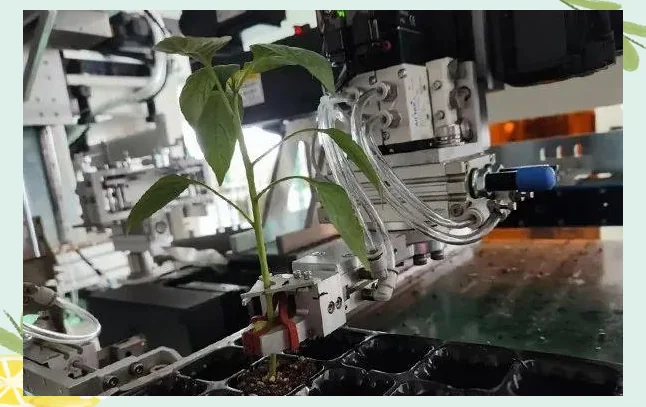
Match Seedlings Before Adjusting the Grafting Machine
A crop label is not a complete grafting machine setup specification. Two tomato batches may differ in stem diameter, growth stage, leaf position and handling characteristics.
Check rootstock and scion against the proposed operating range before loading. If the material is unsuitable or poorly matched, repeated machine adjustments may not solve the problem.
Keep a setup record with the crop and variety, tray reference, accepted seedling range, relevant component positions and applicable settings. Add photographs showing the approved arrangement. Treat a previous successful setting as a starting point, not automatic approval for a new batch.
Group Compatible Jobs Without Delaying Crop Readiness
Where delivery commitments and seedling condition allow, schedule jobs using compatible trays or handling configurations together. This can avoid changing repeatedly between the same two setups.
Do not hold a ready crop beyond its suitable processing window simply to save an adjustment. A shorter setup offers little value if the delayed seedlings become harder to handle or need more rework.
On a multi-station grafting line, ask whether different batches can be kept separate and whether station changes affect shared collection. Do not assume independent changeovers are possible just because the machines are arranged in parallel.
Keep Cleaning and Batch Verification in the Schedule
Cleaning is necessary production work. Shortening a changeover should remove avoidable waiting, not essential hygiene steps.
University of Minnesota Extension’s guidance on tomato transplant disease identifies trays, tables and tools as places where pathogens can persist and emphasizes greenhouse sanitation. Follow a crop-appropriate procedure and the equipment and disinfectant instructions, including material compatibility and contact time.
After setup, run a verification batch against written criteria. Depending on the operation, inspect missed plugs, handling damage, placement, cutting, joining or fixing. Retain the trial results and any adjustments before releasing normal production. Immediate visual acceptance of a graft does not establish its later survival after healing.
Calculate the Value of Recovered Production Time
Use the nursery’s measured accepted output rate rather than catalogue speed.
Potential additional accepted output = recovered production time in hours multiplied by the measured accepted output rate.
| Planning input | Example |
|---|---|
| Changeovers per shift | 2 |
| Time saved per changeover | 15 minutes |
| Total time recovered | 30 minutes, or 0.5 hour |
| Measured accepted output rate | 800 seedlings per hour |
| Potential additional accepted output | 400 seedlings per shift |
The additional output is possible only if suitable seedlings, operators and downstream capacity are available. For grafted plants, healing space and later acceptance still matter. Do not count recovered minutes as revenue automatically.
Specify Changeover Requirements in a Nursery Automation Proposal
Ask the supplier to demonstrate the transition between two actual production jobs, not just one uninterrupted run. Identify the adjustments, replacement components, checking work and operator training included in the quotation.
AiGRAFT’s seedling grafting robot range and modular grafting production lines can be evaluated around the nursery’s crop mix, output requirements and operating layout. Confirm crop and tray compatibility, adjustment requirements and any stored-setting functions for the specific proposed configuration.
For a connected line, include material supply, loading, batch identification and finished-seedling collection in the evaluation. Adding stations increases the number of interfaces that need an agreed operating plan; it does not remove changeover work.
What to review: material presentation, the relationship between workstations and the collection arrangement. Ask for a separate recorded trial of your proposed changeover, including setup and output checks.
Discuss a nursery automation configuration with AiGRAFT using your crop list, rootstock and scion details, tray drawings, seedling photographs, daily batch schedule and current changeover log. A useful proposal should explain what needs testing, not simply repeat maximum machine capacity.
Frequently Asked Questions
What counts as nursery changeover time?
Measure from the last acceptable output of the previous batch to stable, acceptable output from the next. Include necessary cleaning, adjustment and verification, with acceptance criteria agreed in advance.
Can one seedling machine handle different plug tray formats?
Possibly, but compatibility depends on the machine configuration, tray geometry, seedling condition and operation. Another format may need different components, adjustments and a separate trial.
Do saved settings eliminate grafting machine setup checks?
No. Where stored settings are available, they can help restore a starting configuration. Operators still need to verify the actual material, handling and accepted output.
How much changeover time should a nursery expect to save?
There is no universal figure. Measure representative jobs, identify avoidable waiting and repeat the same changeovers after improvements. Report the tested crop, trays, operators and quality criteria alongside the result.
Can separate grafting stations change crops independently?
That requires configuration-specific confirmation. Shared collection, batch traceability and line controls may constrain station changes. Obtain an agreed operating procedure before planning simultaneous crop batches.