What Is a Seedling Grafting Robot? Why Choose an Automatic Grafting Machine for Your Nursery?
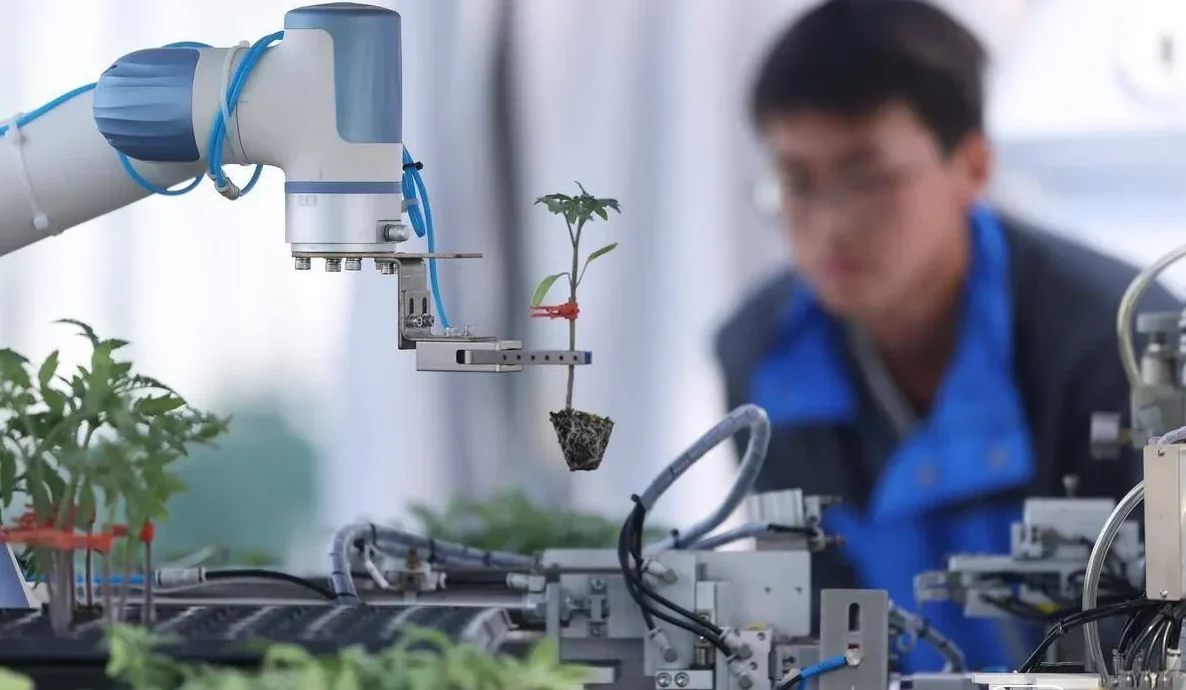
A seedling grafting robot is a nursery automation machine that helps join a rootstock seedling and a scion seedling into one grafted plant. For commercial vegetable nurseries, an automatic grafting machine can make the grafting process more repeatable, reduce dependence on highly skilled manual labor, and support larger-scale grafted seedling production.
Vegetable grafting is already an important production method for many professional nurseries. As demand grows for grafted tomatoes, peppers, eggplants, watermelons, melons, cucumbers, and other high-value vegetable seedlings, growers need a process that is not only technically correct but also stable enough for commercial production.
This article explains what a seedling grafting machine does, how the process works, and why nurseries evaluate semi-automatic grafting machines, fully automatic grafting robots, and integrated nursery automation systems.
What Is a Seedling Grafting Robot?
A seedling grafting robot is a machine designed to assist or automate key steps in vegetable seedling grafting. In a grafted plant, the scion provides the above-ground plant growth and fruit-quality traits, while the rootstock provides the root system and selected traits such as vigor or resistance to certain soil-borne problems.
In practical nursery production, the machine helps handle process steps such as rootstock and scion preparation, cutting, alignment, joining, and graft union support. Depending on the equipment level, operators may still feed seedlings manually, or more handling steps may be automated.
The goal is not simply to replace people. The more important goal is to make a delicate biological process more consistent across batches, operators, shifts, and production seasons.
Why Vegetable Grafting Matters for Commercial Nurseries
Vegetable grafting allows nurseries to combine the strengths of two plants. A grower may choose a scion variety for fruit quality, market demand, or crop performance, while selecting a rootstock for stronger root growth, vigor, or resistance/tolerance to certain soil-borne diseases and nematodes.
For commercial nurseries, grafted seedling production can create higher-value plants for professional growers. This is especially relevant in fruiting Solanaceae and Cucurbit crops, where grafting is commonly used as part of disease-management and production strategies.
However, grafting is also more demanding than ordinary seedling production. Rootstock and scion seedlings must be prepared correctly. Stem diameter and seedling stage must be suitable. Cutting and alignment must be accurate. After grafting, the seedlings need appropriate healing conditions, including suitable temperature, humidity, light, and airflow management.
This is why many commercial nurseries begin looking for a vegetable grafting machine when manual grafting becomes difficult to scale.
How an Automatic Grafting Machine Works
The exact workflow depends on the crop, grafting method, seedling condition, and machine configuration. In general, an automatic grafting machine supports the following steps.
Rootstock and Scion Preparation
The rootstock and scion must be prepared at the correct growth stage. Their stem diameters should be suitable for the selected grafting method so the plant tissues can align properly.
This preparation step is important for every crop. A tomato grafting machine or pepper grafting machine may require a different configuration from a watermelon grafting machine or melon grafting machine because the seedling structure is different.
Cutting
The machine cuts the rootstock and scion according to the required grafting method. Consistent cutting position and angle help create a repeatable contact area between the two seedlings.
Manual cutting can vary by worker, especially during long shifts or peak production periods. Machine-assisted cutting helps reduce this variation.
Alignment and Joining
After cutting, the rootstock and scion must be aligned and joined. This is one of the most important steps in grafting because the graft union needs close contact during the healing period.
A seedling grafting machine helps standardize this movement, reducing differences caused by worker fatigue or inconsistent hand positioning.
Clip Fixing or Graft Union Support
Many vegetable grafting workflows use clips or another support method to hold the graft union in place. The suitable fixing method depends on crop type, seedling size, stem diameter, and the nursery’s healing process.
Post-Grafting Healing
Automation does not remove the need for good agronomic management. After grafting, seedlings must be placed in a suitable healing environment. Temperature, humidity, light level, and airflow all affect the recovery of the grafted seedlings.
For this reason, a grafting robot should be evaluated together with the nursery’s post-grafting healing process, not as a standalone solution.
Why Nurseries Choose Machine-Assisted Grafting
Commercial nurseries choose machine-assisted grafting when manual grafting becomes a production bottleneck. The reasons are usually practical rather than theoretical.
First, manual grafting depends heavily on skilled workers. Training new workers takes time, and seasonal labor availability can be uncertain. A semi-automatic grafting machine can reduce the pressure on highly skilled labor by standardizing difficult steps.
Second, grafting quality can vary between workers and shifts. Machine-assisted grafting makes cutting, alignment, joining, and fixing more repeatable.
Third, commercial nurseries often need predictable production capacity. When order volume increases, one manual team may not be enough. Multiple semi-automatic stations or an integrated grafting line can support a more organized production workflow.
Finally, automation can help standardize operating procedures. This matters when a nursery needs to produce consistent grafted seedling batches for professional growers.
Manual Grafting vs Machine-Assisted Grafting
| Comparison Item | Manual Grafting | Machine-Assisted Grafting |
|---|---|---|
| Labor dependence | Strongly depends on experienced grafting workers | Reduces dependence on highly skilled manual operation |
| Process consistency | Can vary by worker, fatigue, and shift | Helps standardize cutting, alignment, joining, and fixing |
| Production scale | Flexible for small batches | More suitable for repeatable commercial batches |
| Training pressure | New workers need longer practice | Operators can follow a more structured workflow |
| Quality control | More variation between operators | Easier to build consistent operating procedures |
| Suitable use | Small-scale or highly flexible production | Commercial nursery production with stable grafting demand |
Semi-Automatic Grafting Machine vs Fully Automatic Grafting Robot
A semi-automatic grafting machine usually combines operator feeding with machine-controlled grafting actions. Workers may still load rootstock and scion seedlings, while the machine supports the cutting, joining, alignment, or fixing steps according to its configuration.
This type of system is often practical for nurseries that already understand their grafting process but need more consistency and capacity. AiGRAFT’s integrated grafting production line page describes a modular approach where multiple semi-automatic stations can be arranged into a more organized production workflow. The page lists JFT-B1200TA as a typical semi-automatic seedling grafting robot station and states a rated capacity of 1,200 seedlings/hour per station, with actual output depending on factors such as crop, seedling condition, operator loading rhythm, and project configuration.
A fully automatic grafting robot is intended for projects that require a higher automation level in feeding, handling, and grafting. This type of system normally requires more standardized seedling batches and a clearer production plan.
The right choice depends on production volume, labor conditions, seedling uniformity, grafting method, crop structure, and investment plan.
Crop Structure Matters
Not every crop should be treated the same when selecting a seedling grafting machine. Crop structure affects cutting, alignment, joining, clip fixing, and post-grafting management.
Solanaceae crops include tomatoes, sweet peppers, and eggplants. Buyers searching for a tomato grafting machine, pepper grafting machine, or Solanaceae grafting machine are usually evaluating equipment for this crop group.
Cucurbit crops include watermelons, melons, and cucumbers. Buyers searching for a watermelon grafting machine, melon grafting machine, or Cucurbit grafting robot need equipment and workflow settings suitable for those seedling structures.
Before choosing a machine, the supplier should confirm crop type, rootstock and scion varieties, seedling age, stem diameter, and current grafting method.
How to Prepare for a Machine Recommendation
A seedling grafting robot should be selected from real production requirements, not only from a general product name. Before asking for a quotation, prepare the following information:
- Crop type
- Rootstock and scion varieties
- Seedling age or growth stage
- Stem diameter
- Current grafting method
- Target grafting capacity per hour or per day
- Photos or videos of current seedlings
This information helps the supplier evaluate whether a semi-automatic grafting machine, a multi-station line, or a fully automatic grafting robot is more suitable.
AiGRAFT Seedling Grafting Robots and Nursery Automation
AiGRAFT focuses on nursery automation equipment for commercial seedling production. Its product scope covers seedling grafting robots, automatic precision seeders, seedling selection and replenishment machines, automatic seedling grading machines, automatic transplanting machines, and integrated nursery equipment.
For grafted seedling production, AiGRAFT can discuss the customer’s crop structure, seedling condition, required capacity, operator arrangement, and nursery workflow before recommending an automation approach.
If you are planning to automate grafted seedling production, send your crop and seedling information first. AiGRAFT can then evaluate the suitable grafting machine configuration for your nursery.
FAQ
What does a seedling grafting robot do?
A seedling grafting robot is a machine that assists or automates the joining of rootstock and scion seedlings. It helps make cutting, alignment, joining, and graft support more repeatable in commercial nursery production.
Which crops commonly use vegetable grafting machines?
Vegetable grafting machines are commonly discussed for Solanaceae crops such as tomatoes, sweet peppers, and eggplants, and Cucurbit crops such as watermelons, melons, and cucumbers. Final machine selection depends on the specific crop and seedling condition.
Does a grafting robot guarantee grafting survival?
No. A grafting robot can improve process consistency, but grafting results also depend on seedling quality, stem diameter, crop compatibility, worker operation, and post-grafting healing conditions.
What is the difference between a semi-automatic grafting machine and a fully automatic grafting robot?
A semi-automatic grafting machine usually keeps operator feeding in the workflow while automating key grafting actions. A fully automatic grafting robot automates more handling and grafting steps, but it usually requires more standardized seedlings and a clearer production plan.
What information should I send before requesting a quotation?
Send your crop type, rootstock and scion varieties, seedling growth stage, stem diameter, current grafting method, target capacity, and photos or videos of your current seedlings.