Integrated Production Lines for Seedling Grafting
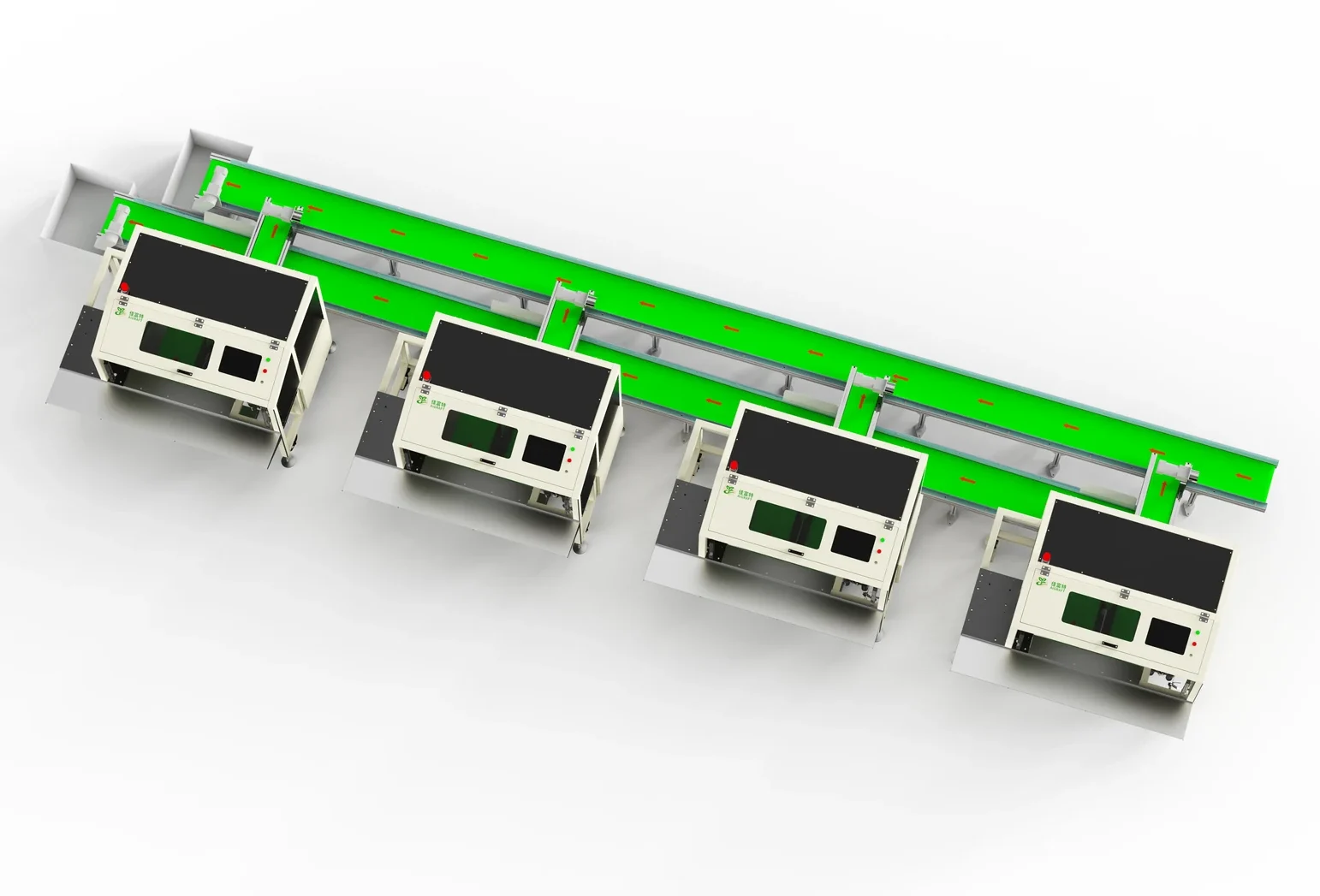
AiGRAFT integrated grafting production lines combine multiple semi-automatic seedling grafting machines into an organized production workflow for commercial nurseries. A typical configuration uses 4–8 grafting stations, allowing capacity to be expanded according to daily grafting volume, available operators and nursery layout.
For nurseries already operating manual or individual semi-automatic grafting stations, the next bottleneck is often not the grafting mechanism itself. Seedling preparation, operator positioning, material delivery, finished-seedling collection and workstation coordination begin to determine how many grafted seedlings can move through one shift. The modular line organizes these stations into a more structured production process.
*Nominal combined machine capacity. Actual output depends on seedling condition, crop, operator loading rhythm and project configuration.
What Is an Integrated Seedling Grafting Production Line?
An integrated seedling grafting production line connects multiple grafting workstations into an organized nursery production workflow. AiGRAFT configurations can combine 4–8 semi-automatic grafting machines according to required capacity, operator arrangement and facility layout.
Why Move from Individual Grafting Machines to an Integrated Production Line?
A scalable alternative between standalone machines and higher-automation systems.
Daily Grafting Volume Exceeds One Machine
A nursery may already use a semi-automatic grafting machine successfully, but seasonal orders require several thousand grafted seedlings within a limited production window.
Instead of replacing the existing operator-fed process with one much larger fully automatic system, multiple semi-automatic grafting machines can be arranged as parallel grafting stations.
Operators are Working, but Material Flow is Disorganized
When several machines operate independently, rootstock, scion, clips, finished seedlings and waste may move through separate manual paths.
The integrated line organizes workstation layout, material flow and collection around multiple grafting stations.
Full Automation is Not Yet the Right Project Step
Some nurseries have experienced grafting operators and standardized seedling preparation, but their investment plan does not require fully automatic feeding and handling at every stage.
A 4–8 station semi-automatic grafting line retains operator-fed stations while organizing them into a higher-capacity production system.
Capacity Needs to Grow Over Time
A nursery expanding from regional orders to larger commercial batches may not need the same grafting capacity in year one and year three.
The modular concept allows line configuration to be evaluated according to station quantity and layout.
Configure the Grafting Line Around Your Required Output
Evaluate the number of grafting stations needed to meet your commercial nursery targets.
Multi-Station Workflow
Nominal Capacity Configuration
Capacity calculation is based on the nominal 1,200 seedlings/hour rating of each JFT-B1200TA grafting station.
Actual line output varies with: Crop, Rootstock condition, Scion condition, Stem diameter, Grafting method, Operator loading speed, Shift organization, Machine utilization, and Line configuration.
Example: 7,000 target ÷ 1,200 = 6 stations. Final configuration requires technical evaluation.
Modular Station Quantity
4–8 semi-automatic grafting stations can be evaluated according to required production capacity.
Parallel Grafting Workflow
Multiple stations operate simultaneously rather than forcing the entire grafting volume through one machine.
Operator-Fed Production
Operators continue loading rootstock and scion while machine stations handle configured cutting, joining and fixing operations.
Line-Level Material Organization
Conveying, collection and auxiliary modules can be evaluated around the actual workstation arrangement.
Integrated Grafting Production Line Specifications
A modular framework designed to fit your commercial nursery layout.
Conceptual Line Layout (Example: 4 Stations)
Modular design allows for organized workflow and expandable capacity. Layouts are customized based on facility conditions.
Technical Parameters
Project Configuration Checklist
What we need to evaluate your grafting line:
- Crop & Varieties
- Stem Diameter
- Daily Grafting Quantity
- Target Seedlings/Hour
- Working Hours/Shift
- Available Operators
- Workshop Dimensions
- Seedling Photos
Choose the Right Grafting Automation Level for Your Nursery
Compare standalone machines, integrated lines, and fully automatic systems.
Option 1
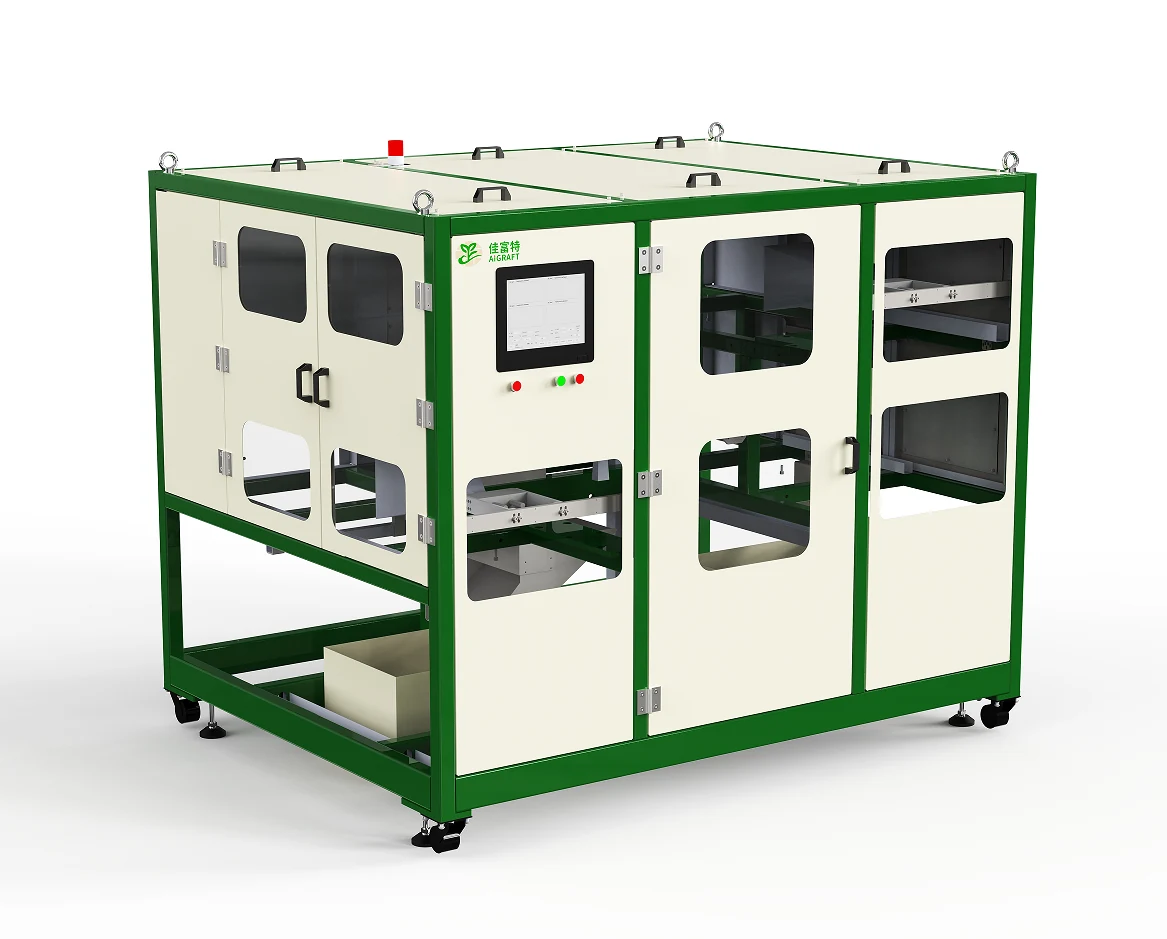
Semi-Automatic Grafting Machine
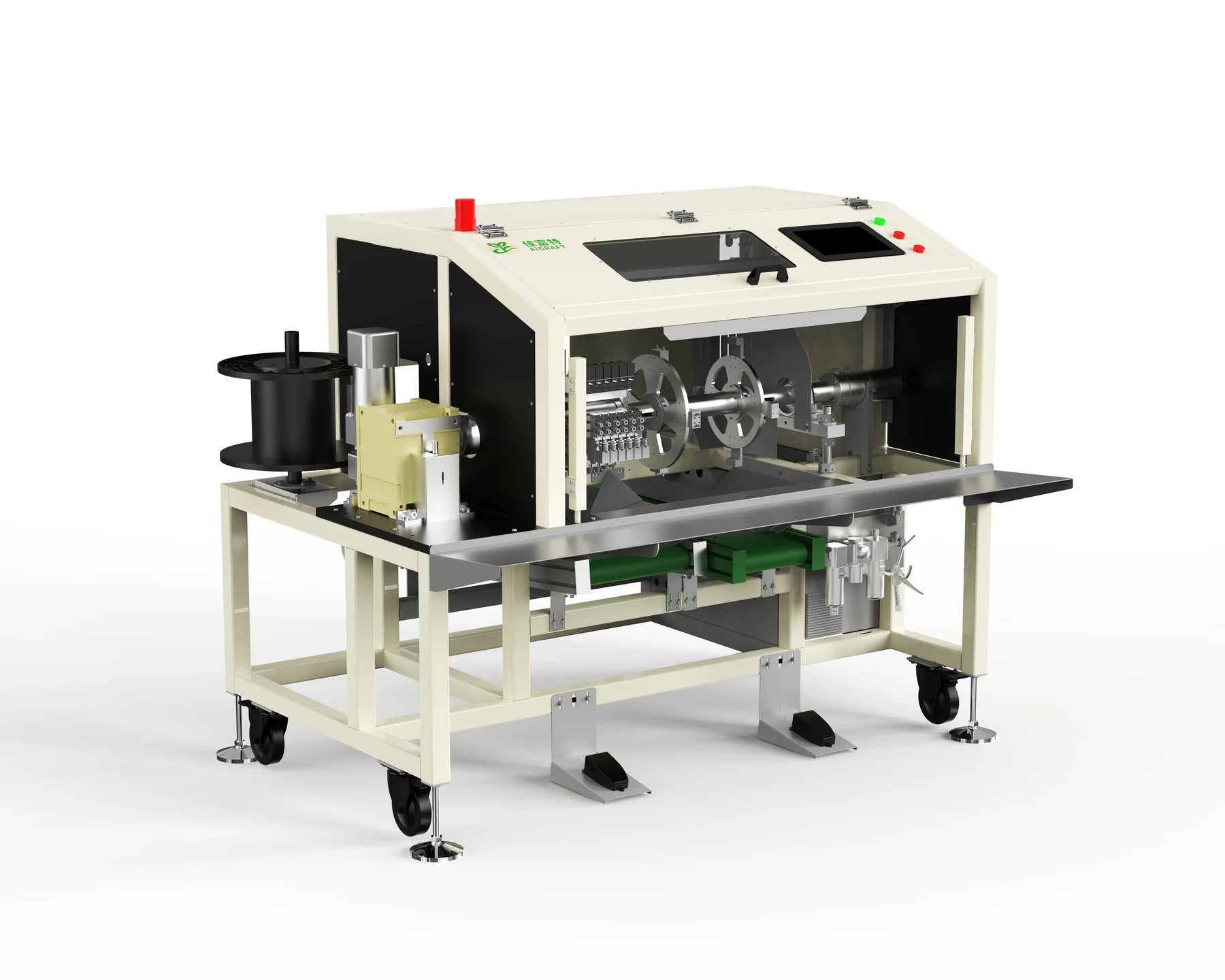
Nursery beginning to mechanize grafting or requiring one independent grafting station.
1,200 seedlings/hour per machine
Rootstock and scion loading remain operator-fed.
Option 2
Integrated Grafting Production Line
Nursery already has stable grafting demand and needs several machines working together as one organized production workflow.
4,800–9,600 seedlings/hour
(4–8 semi-automatic stations)
Scales grafting through parallel stations while retaining operator-fed loading.
Option 3
Fully Automatic Grafting Robot
Projects seeking higher automation of feeding, handling and grafting stages with standardized seedlings and production conditions.
JFT-B1200TB / relevant full-automatic configuration
Plan Your Grafting Production Line
Tell us your crop, daily grafting volume, target hourly capacity and current operator arrangement. AiGRAFT can evaluate the number of grafting stations and line layout required for your commercial nursery.