What Reduces Grafting Success After the Machine: Seedling Matching and Healing
A seedling grafting machine can make cutting, joining and fixing more repeatable. It cannot make mismatched seedlings compatible or heal a graft in an unsuitable environment. If your seedling grafting success rate falls after plants leave the machine, examine the entire batch: rootstock and scion preparation, contact at the graft union, handling, and the conditions in the healing room.
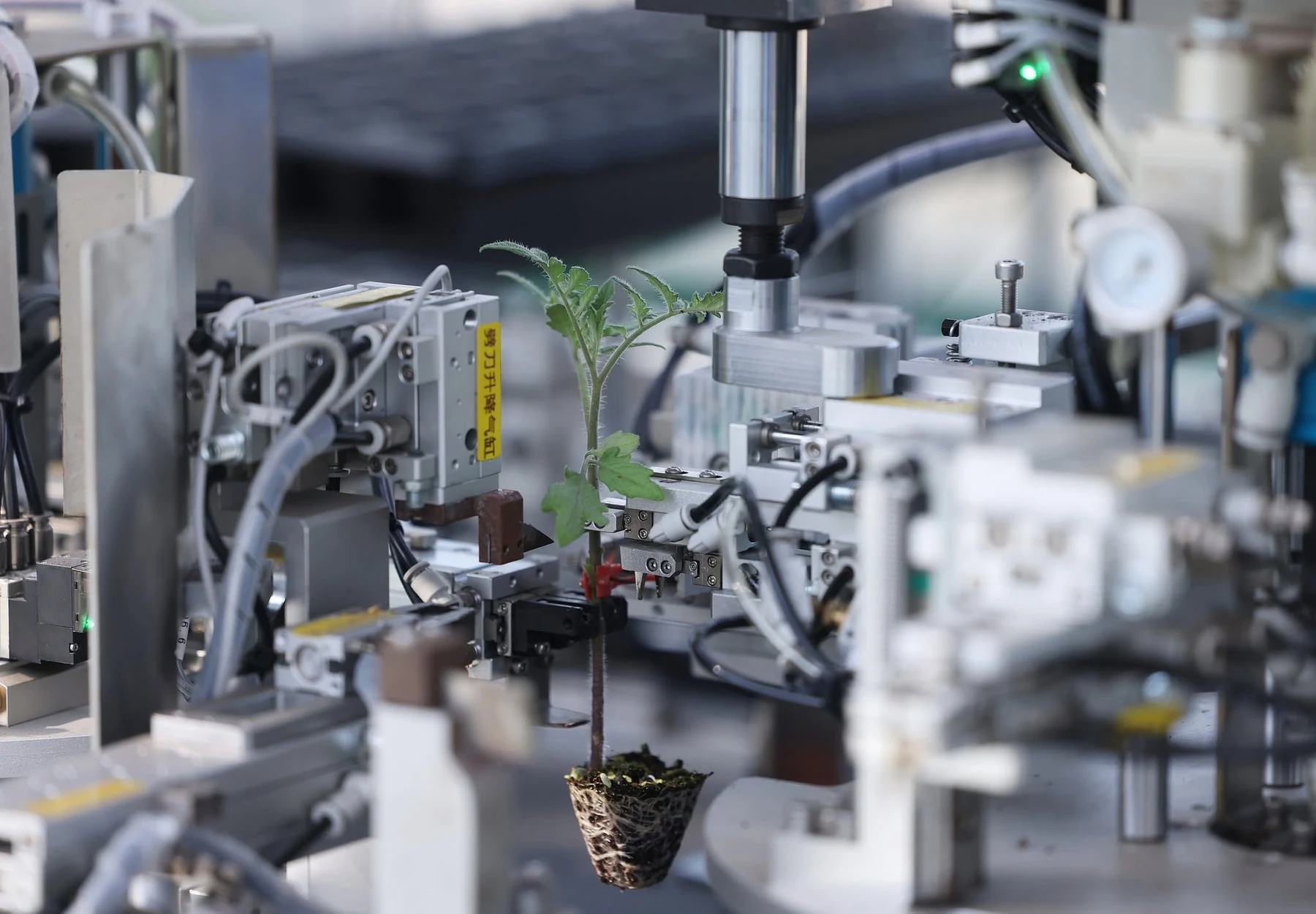
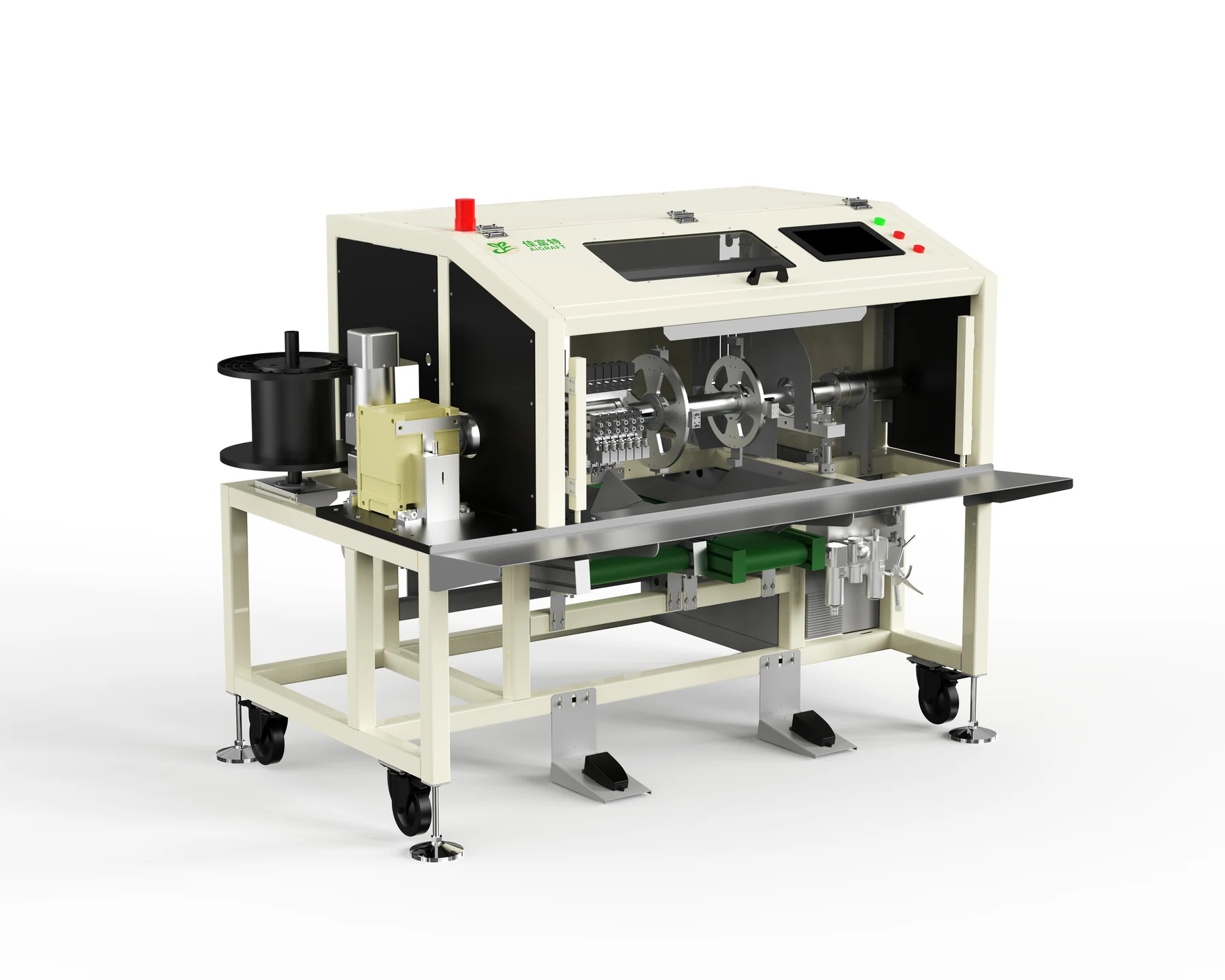
For a commercial nursery, this distinction matters. A tray of neatly clipped plants at machine exit is not yet a tray of saleable grafted seedlings. The useful question is not simply, “How fast did the machine run?” It is, “How many healthy plants remained after healing and acclimation, and where did the losses occur?” AiGRAFT’s seedling grafting robot range covers operator-fed and higher-automation workflows, but both depend on suitable biological inputs and downstream care.
A Clean Machine Exit Is Not a Saleable Seedling
Separate three checkpoints for every rootstock-scion batch:
| Checkpoint | What to count | What the result tells you |
|---|---|---|
| Machine exit | Grafts made and immediate rejects | Whether loading, cutting, alignment or clipping needs attention |
| After healing | Living, firmly joined plants | Whether seedlings and healing conditions supported recovery |
| Before dispatch | Uniform, saleable plants | Whether acclimation, handling or later growth caused further loss |
Record the batch yield as saleable grafted seedlings divided by grafting attempts. Also record immediate-reject and post-healing-survival rates separately. These are nursery management measures, not guaranteed machine specifications. A fast line may still produce fewer saleable plants if the incoming seedlings vary widely or the healing area cannot accept trays promptly.
Match Rootstock and Scion Before Loading
The machine should receive seedlings selected for the intended crop, grafting method and cut position. Start with variety compatibility and plant health. Then check stem diameter at the actual cut height, not only at the base of the plug. Rootstock and scion can look similar from above yet differ where their tissues must meet.
Stem Diameter, Growth Stage and Cut Height
Close tissue contact is essential. In a university tomato-grafting guide, similar stem diameters are emphasized for rootstock and scion. Its described tomato protocol uses seedlings with 2-4 true leaves and stems of 1.5-2.5 mm. Those figures are research-guide conditions, not AiGRAFT machine compatibility limits; confirm the acceptable window for the chosen machine and clip.
For each incoming lot, sample seedlings across trays rather than checking only the most uniform corner. Note the variety, sowing date, tray format, growth stage, stem diameter at the planned cut and any signs of stress or disease. If the rootstock is consistently thicker or thinner than the scion, review sowing schedules and growing conditions before changing a machine setting. The guide recommends testing germination and timing sowing so both materials reach a compatible size together.
Crop Structure Changes the Setup
Tomato and melon should not share an unexamined preparation rule. UF/IFAS melon guidance notes that melon seedlings can develop hollow hypocotyls and that rootstock species may have different stem diameters. Leaf area can also make water loss after grafting more severe than in the tomato situation described there. The suitable method and seedling stage therefore need to be checked for each crop and rootstock-scion combination. The same principle applies when assessing watermelon, cucumber, pepper or eggplant: validate the actual seedlings rather than assuming crop names alone prove machine fit.
Inspect the Graft Union Before the Healing Room
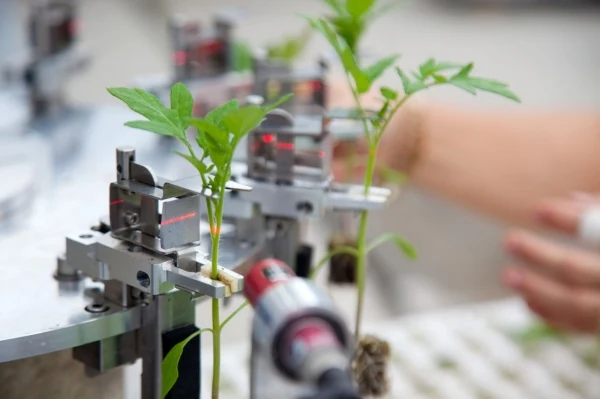
If a new batch has immediate rejects, inspect a representative sample at the machine exit. The cut faces should meet at the intended position and remain supported while trays are moved. Look for a visible gap, a scion leaning away from the rootstock, a clip that slips or crushes the stem, or cut surfaces that have dried during handling. Changing the clip alone will not correct an underlying stem-size mismatch.
Keep preparation and cutting areas clean. The tomato guide warns that hands, tools and cutting surfaces can transfer plant pathogens and recommends cleaning or changing blades frequently. Set a documented hygiene procedure appropriate to your crop and equipment; do not assume that a fixed blade-change interval or an untested disinfectant is sufficient for every site.
Transport is another vulnerable step. Organize tray collection so newly grafted plants move into the prepared healing area without avoidable exposure to dry air, strong light or rough handling. If the joint shifts while the tray is carried, the machine’s correct cut cannot repair it afterward.
Manage Healing by Crop and Grafting Method
The scion initially has limited access to water through the new union. A healing area reduces water stress while tissues reconnect, but more humidity for longer is not automatically better. Temperature, relative humidity, light and gradual acclimation must be managed together. Start with crop-specific guidance, then validate a procedure against your varieties, method and local facility.
Reference Data Index: Published Guidance, Not Machine Guarantees
| Crop or context | Published reference | How to use it |
|---|---|---|
| Tomato, guide’s seedling protocol | 2-4 true leaves; 1.5-2.5 mm stem diameter. University tomato guide | Example of matching criteria, not an AiGRAFT intake specification. |
| Tomato, guide’s healing protocol | 21-27°C; 80-95% relative humidity; low light for 3-5 days, followed by gradual acclimation. University tomato guide | A starting reference for a tomato trial, not a universal setpoint. |
| Vegetable graft healing, WSU fact sheet | Vascular connection averages 5-8 days; full healing is about 14 days. WSU Extension | Biological timeline; inspect plants rather than release by calendar alone. |
| Melon, hole-insertion or splice method | The first 48 hours are particularly sensitive; UF/IFAS describes about 85°F and 95-100% relative humidity for its protocol. UF/IFAS | Melon- and method-specific guidance; do not apply it to tomato without validation. |
These publications describe different crops and methods, so their values should not be averaged into one nursery-wide recipe. Monitor the conditions at tray level, including the warmest and driest parts of the healing area. Record actual readings and changes in cover, ventilation and light. When plants begin acclimating, make changes gradually and watch for renewed wilting. UF/IFAS specifically cautions that prolonged darkness can produce weak, elongated seedlings in its melon protocol.
Troubleshoot by When the Loss Appears
| When the problem appears | First checks | What not to assume |
|---|---|---|
| At machine exit | Stem pairing, cut position, joint contact, clip fit, loading and blade condition | That every reject is a healing-room problem |
| During early healing | Transfer time, wilt pattern, tray-level temperature and humidity, light exposure | That raising humidity alone will correct poor tissue contact |
| During acclimation | Rate of ventilation and light increase, root-zone moisture, clip pressure, handling | That every plant alive in the chamber is ready for dispatch |
This sequence helps avoid random setting changes. If the same defect is visible before trays enter the healing room, investigate preparation and the machine junction first. If exit samples look sound but losses cluster in one chamber position or after a ventilation change, investigate the environment and handling. More than one cause can be present in a single batch.
Validate Changes With a Small Batch Log
Before running a large order on a new crop or rootstock, test representative trays through the complete workflow. Keep a simple log of:
- Crop, rootstock and scion varieties; sowing dates and tray types.
- Sampled stem diameters, growth stages and grafting method.
- Machine configuration, clip selection and operator observations.
- Grafts made, immediate rejects, post-healing survivors and saleable plants.
- Time from grafting to healing-room entry; temperature, humidity and light records.
- Changes made during acclimation and the timing of any wilt or loss.
Change one major variable at a time where practical. A larger integrated grafting line can coordinate multiple workstations, but it also increases the importance of consistent incoming lots, tray flow and adequate healing capacity. Compare batches under representative production conditions before treating a trial result as an operating standard.
Frequently Asked Questions
Does a grafting machine guarantee survival?
No. A machine can standardize configured cutting and joining actions. Rootstock-scion compatibility, seedling condition, operator loading, hygiene, transport and healing still affect the final result.
Can the healing room rescue a badly matched graft?
Do not rely on it. Humidity can reduce water stress, but it cannot create proper tissue contact if stems are badly mismatched or the joint has moved apart.
Is the same humidity setting suitable for tomato and melon?
Not by default. The published tomato and melon protocols above have different scopes and methods. Establish crop-specific settings using a controlled trial and inspect plants during acclimation.
What number should a nursery use to compare grafting batches?
Track immediate rejects and post-healing survival, then calculate saleable seedlings divided by grafting attempts. Record the crop, varieties, method and conditions with each number; a percentage without its denominator and context is hard to compare.
Prepare the Next Technical Review
If post-machine losses are limiting output, send AiGRAFT your crop, rootstock and scion varieties, seedling stage, stem measurements at the intended cut, tray format, grafting method, photos or video of the joint, and healing-room temperature and humidity records. Include when losses appear. This gives the team a basis to assess machine fit and the surrounding workflow before recommending changes. Contact AiGRAFT.