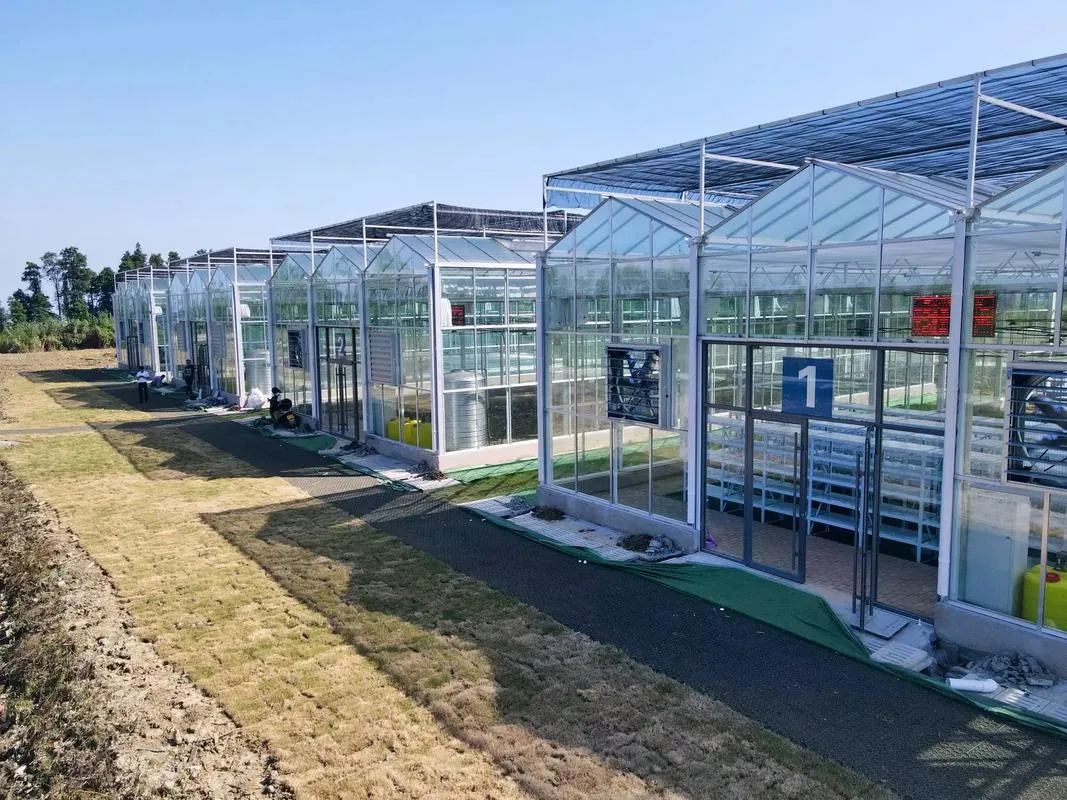
Seedling Grafting Robot for Commercial Nurseries
AiGRAFT develops semi-automatic and fully automatic seedling grafting robots for commercial vegetable nurseries. The equipment assists or automates rootstock and scion cutting, alignment, joining and fixing, with configurations selected according to crop type, stem size, seedling condition, tray format, operator plan and required hourly grafting quantity.
For nurseries that handle concentrated grafting batches, the key problem is not only speed. Operators must finish seedlings within a suitable growth window, keep rootstock and scion matching consistent, and move grafted seedlings quickly into the healing process. AiGRAFT provides operator-fed and higher-automation configurations so buyers can match the machine to their current workflow.
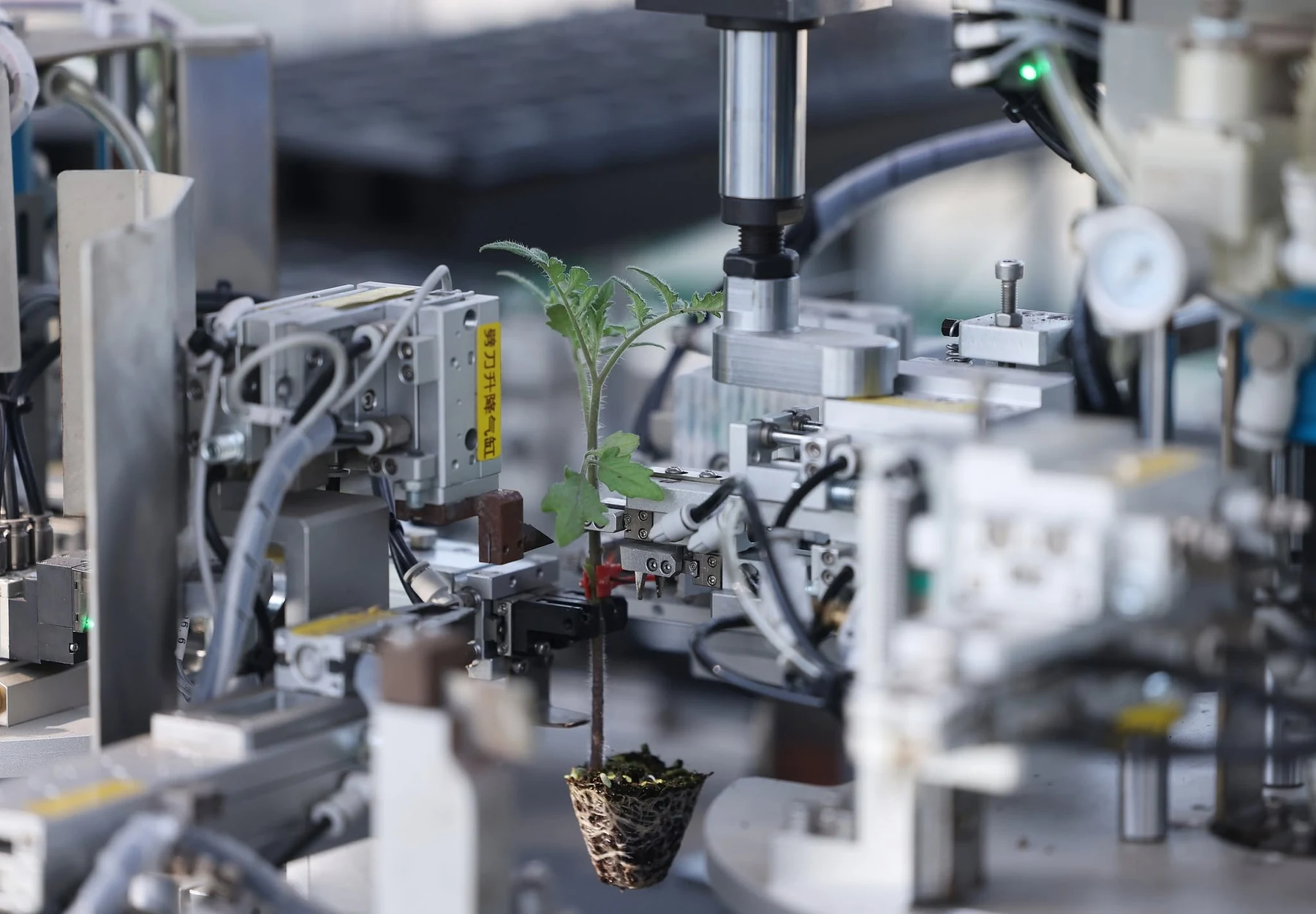
Semi-Automatic and Fully Automatic Seedling Grafting Robots
Compare operational workflows to select the right equipment for your nursery's capacity, tray format, and automation plan.
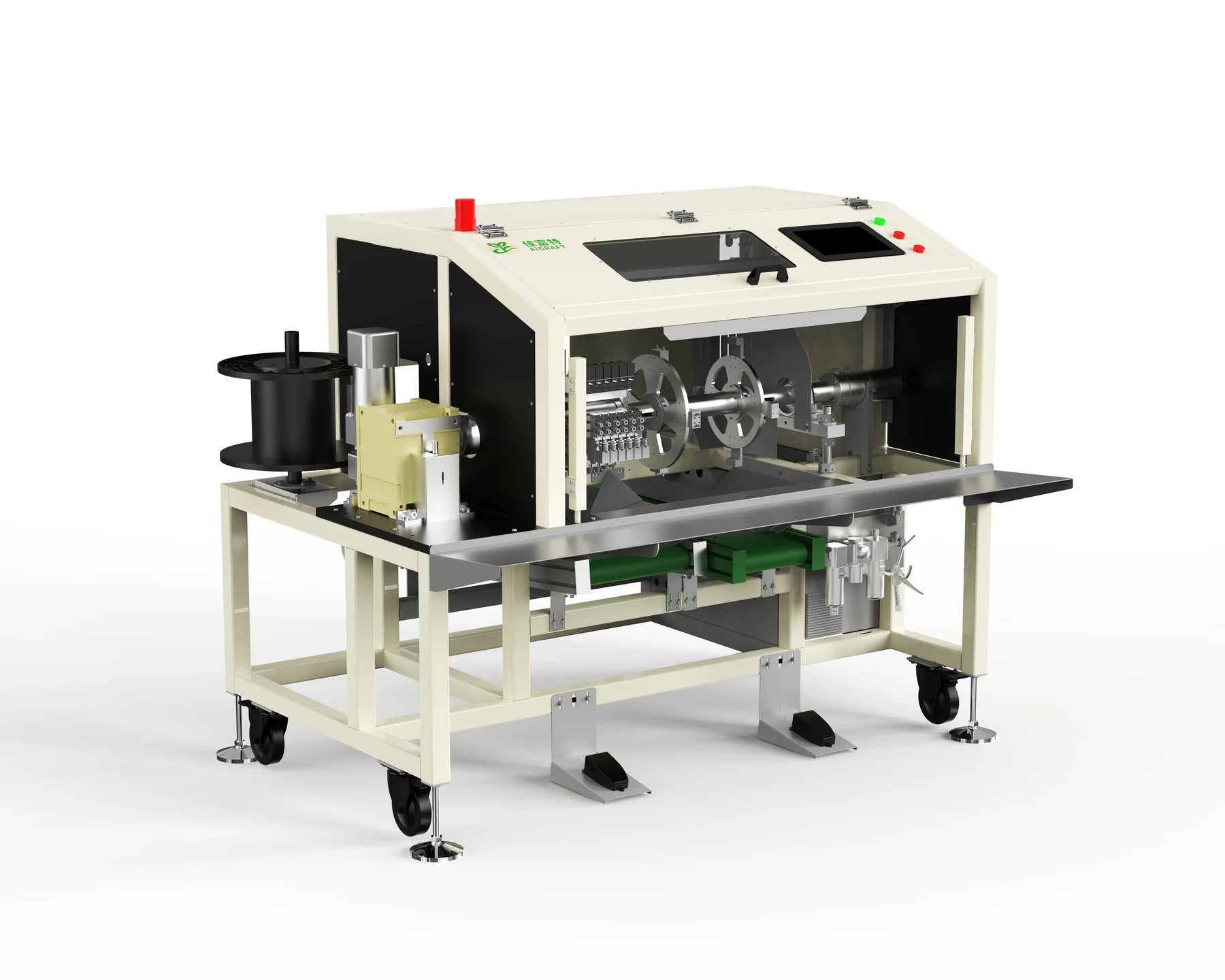
Semi-Automatic Seedling Grafting Robot
Featured Model: JFT-B1200TA
Positioning: Designed for nurseries that still want operators to control seedling loading, selection and immediate visual checking, while the machine standardizes selected grafting actions such as cutting, joining, fixing and transfer.
Scenario: A commercial nursery already has trained workers, rootstock trays, scion trays and a healing room, but manual cutting and joining become inconsistent during long shifts or peak grafting weeks.
Solution: Operators load rootstock and scion seedlings at designated workstations. The machine performs selected grafting steps through mechanical cutting, positioning, fixing and controlled transfer according to the confirmed model configuration.
Benefit: The nursery keeps flexible human handling for living seedlings while reducing variation in repetitive grafting actions. Production managers can arrange workers, seedling batches and healing-room space around a more predictable machine rhythm.
Workflow
Operator-Fed
JFT-B1200TA Capacity
1,200 Seedlings/Hour
Control
Touchscreen
Integration
Compressed-Air
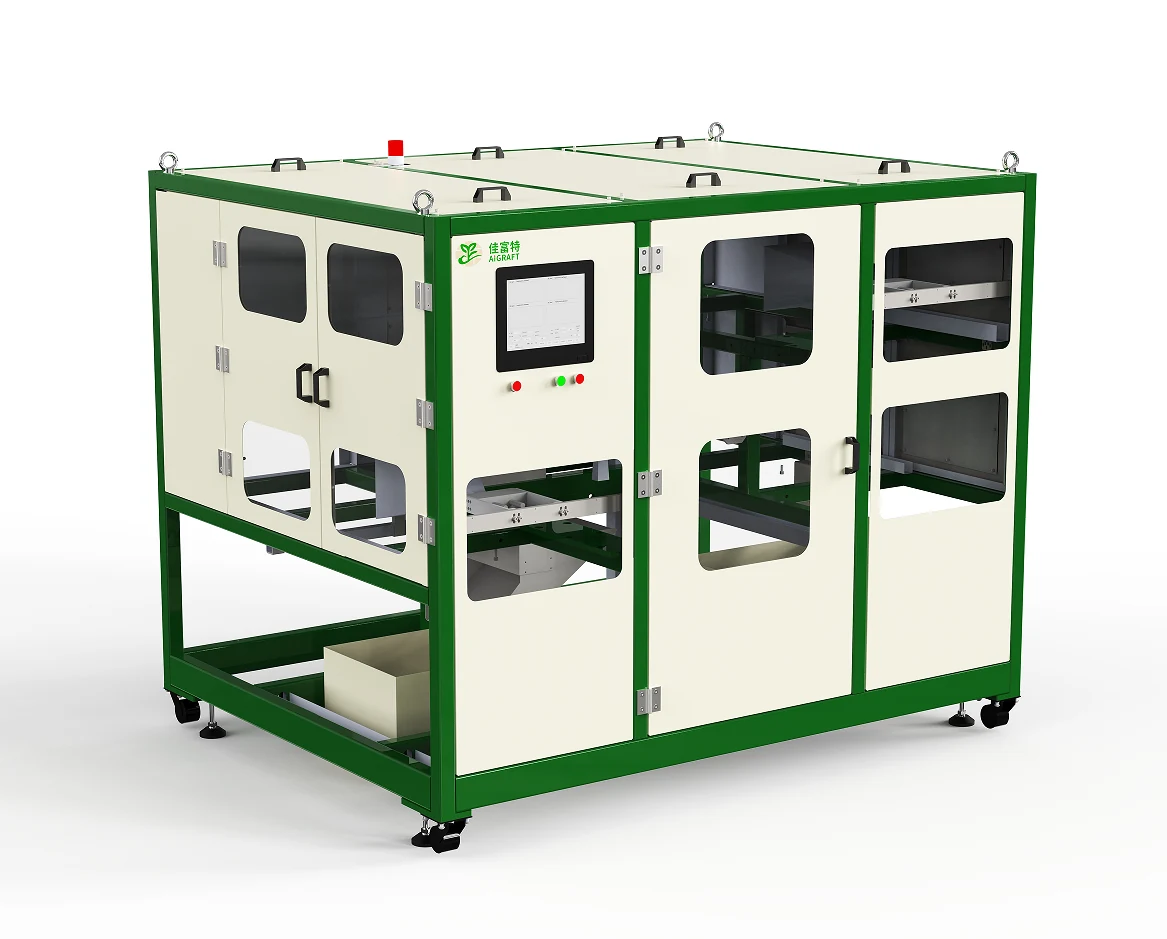
Fully Automatic Seedling Grafting Robot
Featured Model: JFT-B1200TB
Positioning: Positioned for nurseries that require a higher level of automation across seedling feeding, positioning, cutting, joining, fixing, transfer and output stages.
Scenario: A larger nursery has standardized rootstock and scion production, defined tray formats and predictable daily grafting targets. Its main constraint is manual handling between workstations and the difficulty of keeping every grafting step synchronized.
Solution: Transfers more of the grafting sequence into a connected machine workflow. Depending on the confirmed system, it can automate more feeding, inspection, cutting, alignment, graft fixing and grafted-seedling output functions.
Benefit: The nursery can reduce manual movement between grafting steps and organize production through a more connected workflow, especially when grafting is part of a larger nursery automation plan.
Workflow
Higher Automation
Feeding
Connected System
Suitability
Standardized Batches
Potential
Line Integration
| Feature | Semi-Automatic Seedling Grafting Robot | Fully Automatic Seedling Grafting Robot |
|---|---|---|
| Machine Picture |
|
|
| Automation Level | Operator-fed grafting workflow | Higher-automation grafting workflow |
| Typical Models | JFT-B1200TA | JFT-B1200TB |
| Grafting Method | Amplexiform | Amplexiform |
| Hourly Grafting Quantity | 1,200 seedlings/hour | 1,200 seedlings/hour |
| Seedling Loading | Operators load rootstock and scion | Model-dependent automatic feeding or handling |
| Cutting and Joining | Machine-assisted cutting, joining and fixing | Automated cutting, alignment, joining and fixing according to configuration |
| Operator Role | Loading, observation, seedling checking and collection | Supervision, material preparation, system monitoring and maintenance |
| Control Interface | Touchscreen | Touchscreen |
| Air Supply | 0.4–0.6 MPa | 0.4–0.6 MPa |
| Dimensions (L×W×H) | 1600 × 1630 × 1400 mm | 1900 × 1600 × 1720 mm |
| Grafting Survival Rate | ≥ 98% (Subject to seedling quality) | ≥ 98% (Subject to seedling quality) |
| Continuous Operation Time | Up to 24 hours (with scheduled maintenance) | Up to 24 hours (with scheduled maintenance) |
| Power Consumption | Approx. 1.2 kW | Approx. 2.5 kW |
| Machine Weight | Approx. 300 kg | Approx. 900 kg |
| Operating Temperature | -10°C – 50°C | -10°C – 50°C |
| Suitable Buyer | Nursery upgrading from manual grafting | Larger nursery with standardized batches and higher automation needs |
| Line Connection | Can be evaluated for modular line connection | Can be evaluated for integrated nursery automation |
| Technical Evaluation | Required | Required |
How Seedling Grafting Robots Solve Nursery Production Pain Points
Moving from manual tables to machine-assisted workstations changes how a nursery organizes time, labor, and healing-room flow.
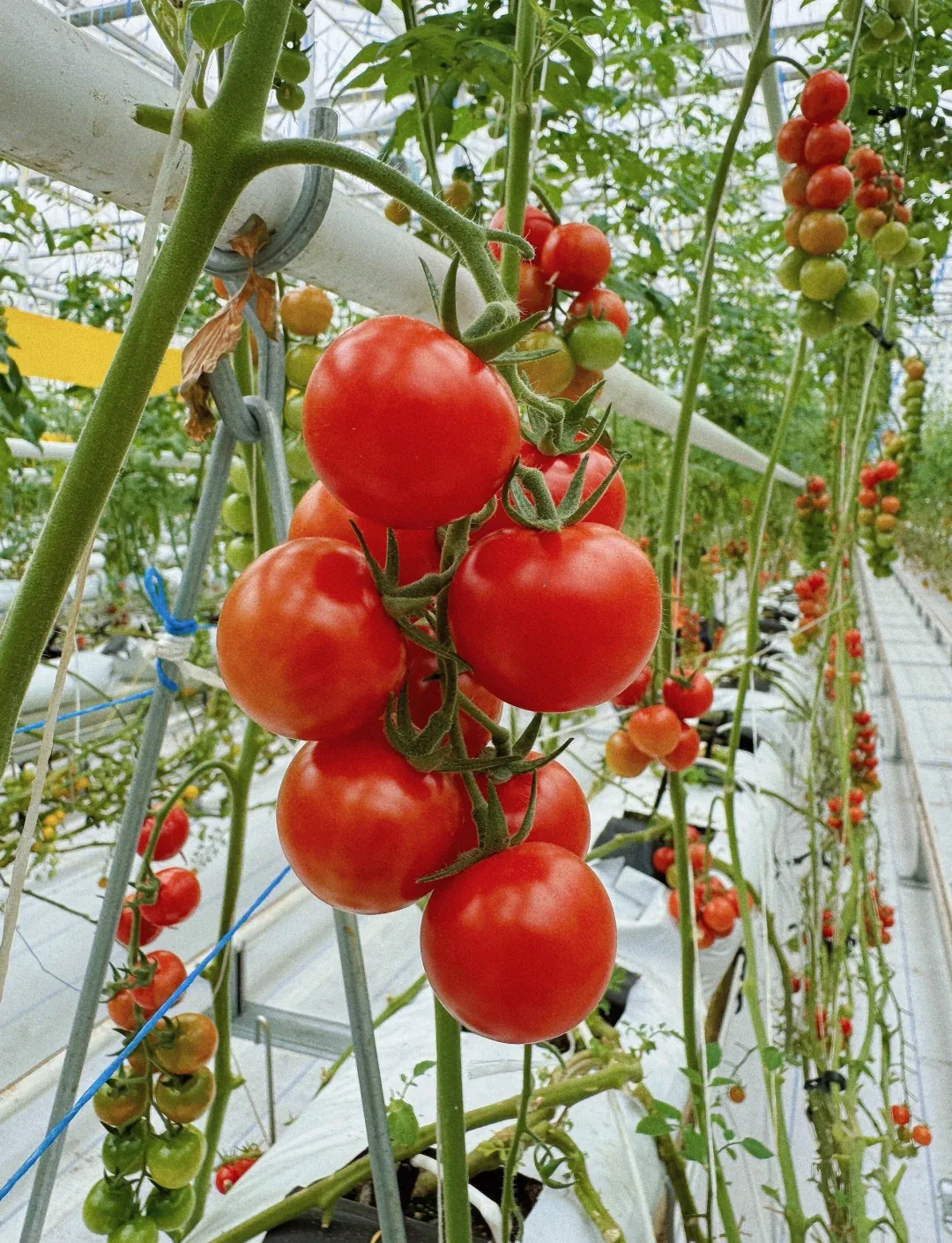
Peak-Season Labor Pressure
During concentrated grafting weeks, adding output usually means adding trained grafters, worktables and supervisors. A seedling grafting robot transfers selected cutting, joining, fixing and transfer actions into a machine cycle. The nursery can organize rootstock trays, scion trays and healing-room capacity around a more predictable workstation instead of depending only on hand grafting speed.
Variation in Manual Cutting and Joining
Different operators may cut stems at different positions or place the grafting clip with different pressure. The machine uses a defined cutting station, positioning area and fixing process according to the confirmed model. This helps production managers reduce variation in repetitive steps while operators still check living seedlings before loading.
Fatigue from Repeated Hand Work
Manual grafting requires workers to repeat picking, cutting, joining and clipping actions for long periods. In a semi-automatic workflow, operators continue handling seedlings, but the machine carries out selected processing actions. This changes the workstation from continuous hand grafting to loading, observation and output management.
Scaling from Single Workstation to Production Line
A nursery that grows from small batches to commercial orders often needs more than another manual table. AiGRAFT equipment can be evaluated as a standalone grafting station or as part of a modular line with conveyors, tray handling, vision inspection, grading or transplanting modules. This supports phased automation without redesigning every nursery process at once.
Request a Seedling Grafting Robot Evaluation
Review our engineering background, check common questions, and submit your project details to find the correct grafting configuration.
Why Nursery Buyers Work with AiGRAFT
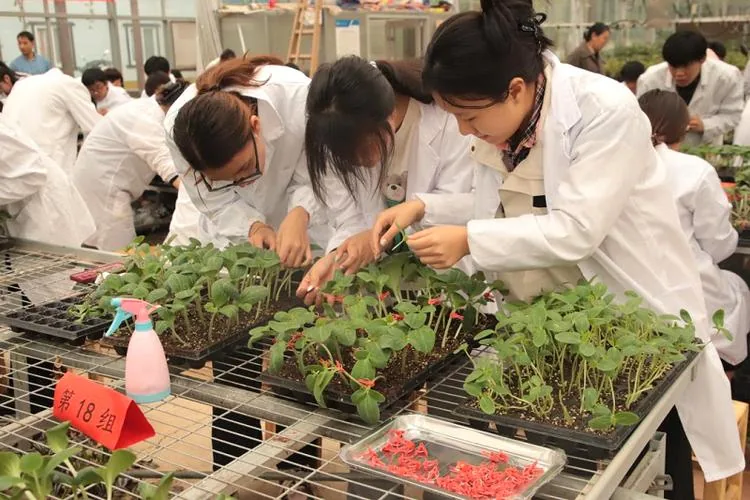
R&D Team Across Engineering Fields
R&D and technical personnel account for 63% of the workforce, covering software, algorithms, mechanical, and electrical control.
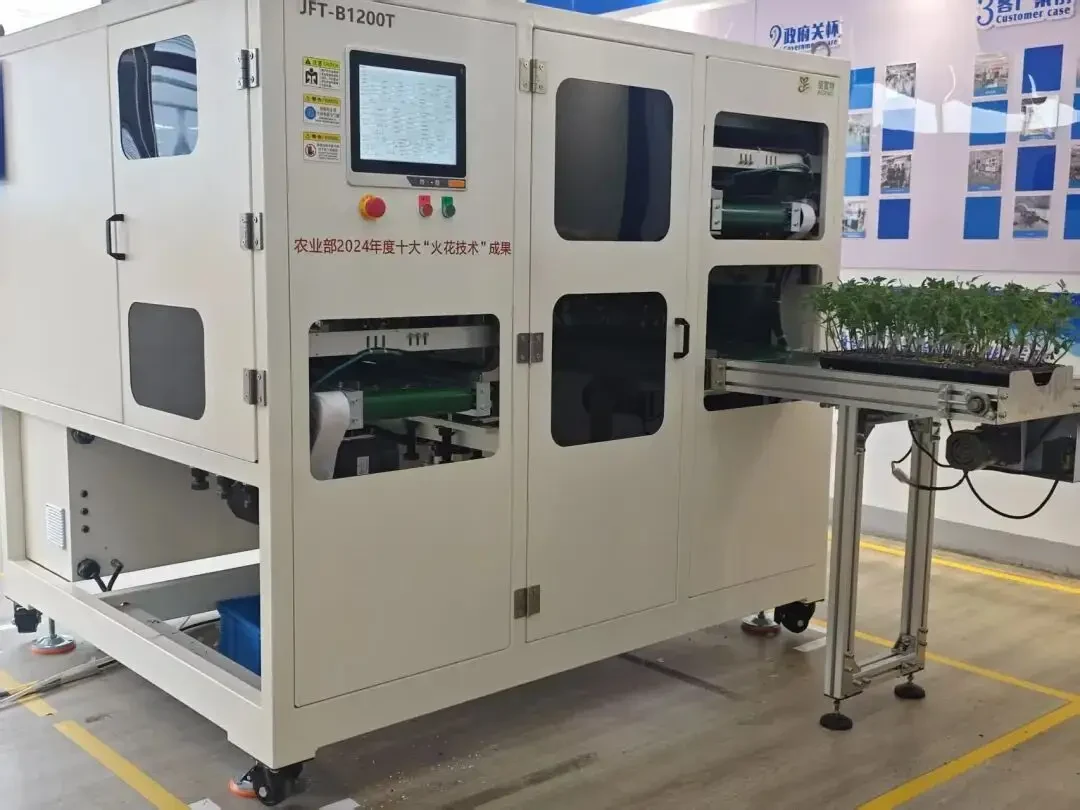
43 Intellectual Property Certificates
Includes 3 invention patents, 2 international patents, 26 utility model patents, 5 design patents and 7 software copyrights.
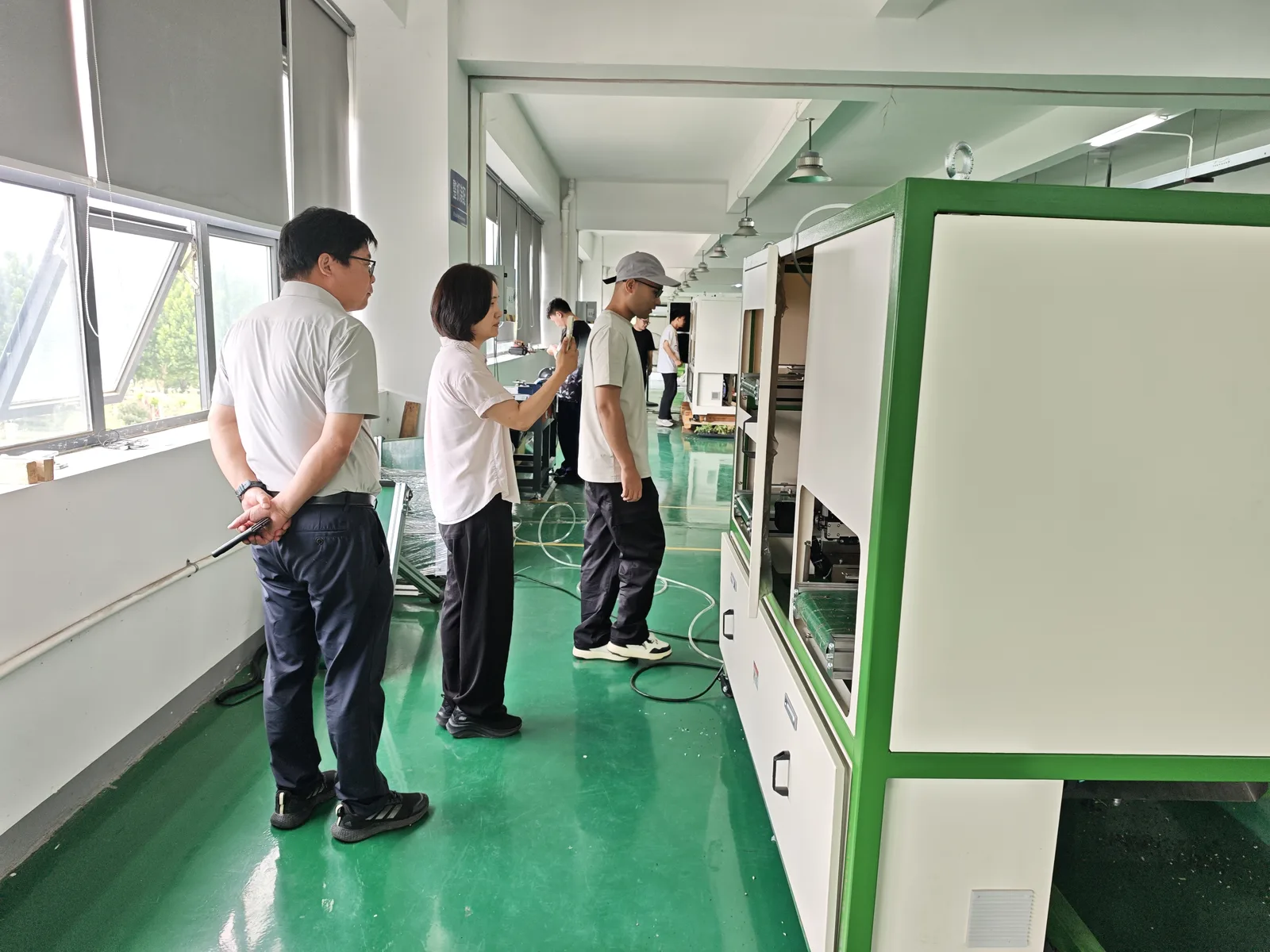
Industry-Academia Cooperation
Cooperation with South China Agricultural University, Huazhong Agricultural University, and nursery industry partners.
Application Experience
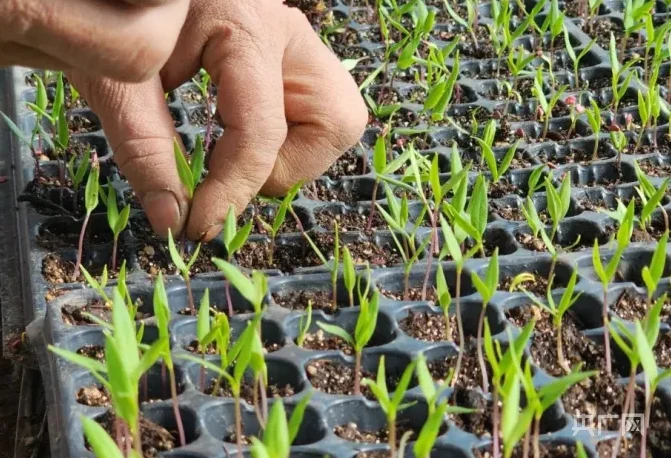
Equipment applied in multiple regions of China and has entered international markets such as France and Brazil.
Seedling Grafting Robot FAQ
What is a seedling grafting robot?
What is the difference between semi-automatic and fully automatic models?
How many seedlings can the machine graft per hour?
Which crops can be evaluated for machine grafting?
Does the robot eliminate all manual work?
Can the robot connect with a nursery production line?
What affects the price of a seedling grafting robot?
What should I send before requesting a quotation?
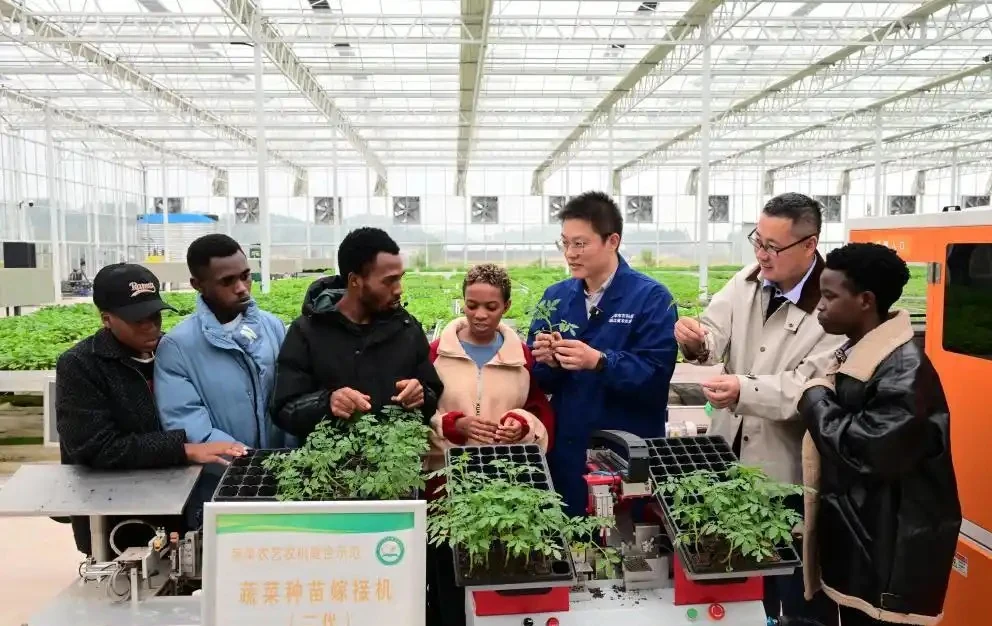
AiGRAFT Engineering Team
Testing Seedling Grafting Equipment
Send Your Seedling and Project Details
A final configuration should be prepared only after crop, seedling, tray and production information is reviewed.