Semi-Automatic vs Fully Automatic Grafting Machine: Which Is Right for Your Nursery?
A semi-automatic vs fully automatic grafting machine comparison should start with the nursery’s working conditions, not with a claim that one machine is inherently better. Both types can support commercial vegetable seedling production. The practical question is where your current grafting process slows down: seedling loading, cutting and joining, tray movement, visual checking, or the handoff into the healing area.
For a nursery with changing crop batches and operators who need to inspect every seedling before loading, a semi-automatic grafting machine can be a sensible next step. For a nursery running stable rootstock and scion batches in defined tray formats, a fully automatic grafting robot may make more sense because it can automate more of the material flow around the grafting operation.
AiGRAFT supplies seedling grafting robot configurations for commercial nurseries. The right configuration still needs a technical review of the crop, seedling condition, tray flow, staffing and required output.
Start With the Nursery Workflow, Not the Machine Label
The word “automatic” can hide important differences. A grafting workstation is not only a cutting station. Rootstock and scion seedlings need to arrive in the right condition. They need to be matched, handled carefully, grafted and moved into the healing process without creating a new bottleneck.
Before comparing a semi-automatic grafting machine with a fully automatic grafting robot, map one production batch from the nursery bench to the healing area. Note where people spend time, where seedlings wait and where decisions depend on an experienced operator. That map often makes the next investment clearer.
The main questions are straightforward:
- Are rootstock and scion seedlings consistent in age, stem diameter and growth condition?
- Do trays arrive in the same format and orientation for each batch?
- Does an operator need to reject or separate seedlings before grafting?
- Is the current limitation hand cutting and joining, or moving trays and seedlings between steps?
- Can the healing area receive grafted seedlings at a steady rhythm?
These are not minor details. AiGRAFT’s current product guidance identifies crop type, stem size, seedling condition, tray format, operator plan and required hourly quantity as selection inputs. Read the nursery automation equipment overview alongside the grafting-machine comparison if the grafting station is part of a wider production plan.
What a Semi-Automatic Grafting Machine Changes
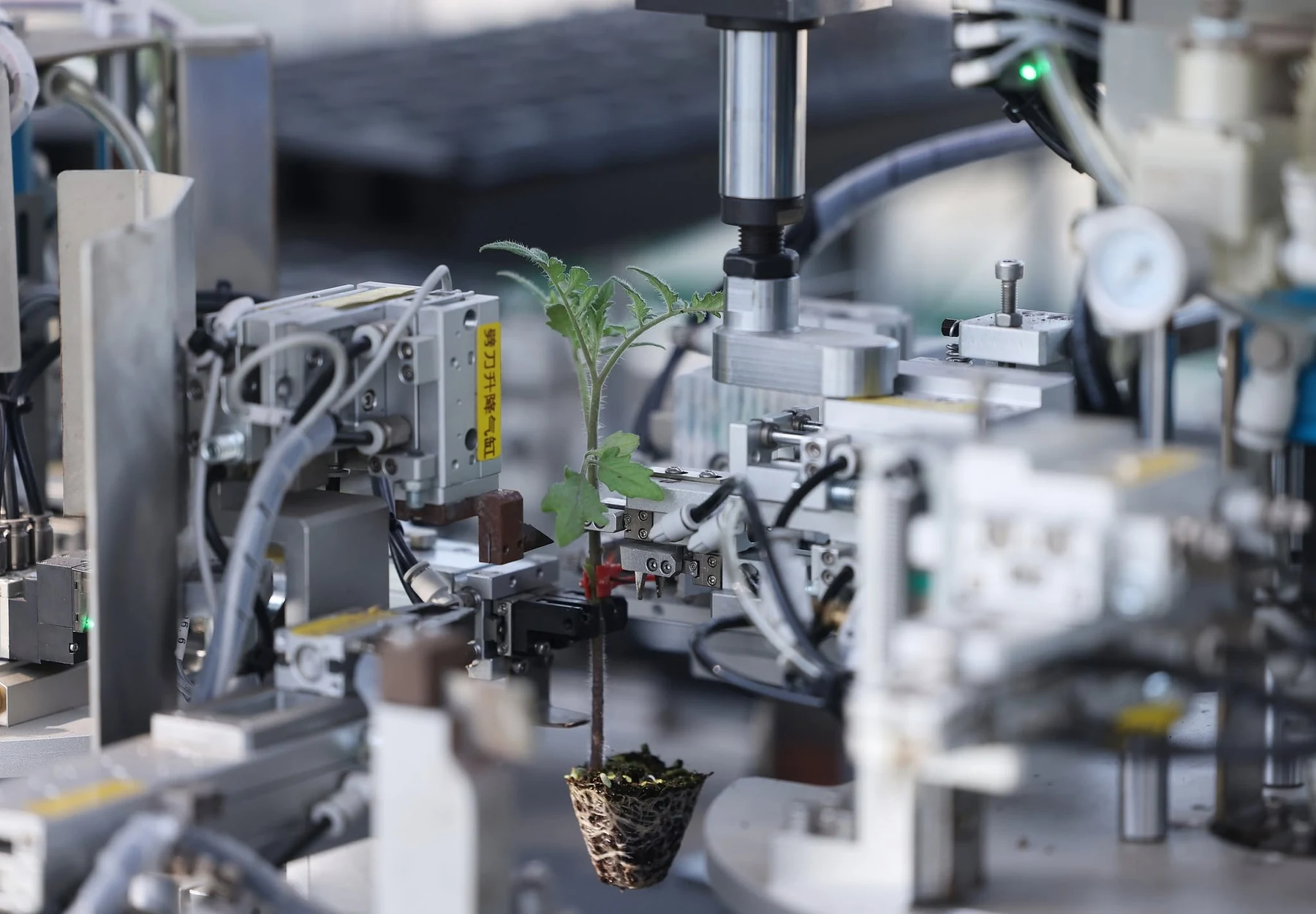
A semi-automatic grafting machine keeps people close to the seedlings. Operators typically prepare rootstock and scion, load them into the designated positions and make immediate visual checks. The equipment then performs defined grafting actions such as mechanical cutting, positioning, joining, fixing and controlled transfer, according to the confirmed configuration.
This layout suits a nursery that wants more consistency in repetitive grafting actions but does not want to remove human judgement from every stage. It can work well when crop programmes change across the season, when seedling batches are not identical, or when experienced staff are already responsible for selecting acceptable plant material.
Where Semi-Automatic Equipment Fits
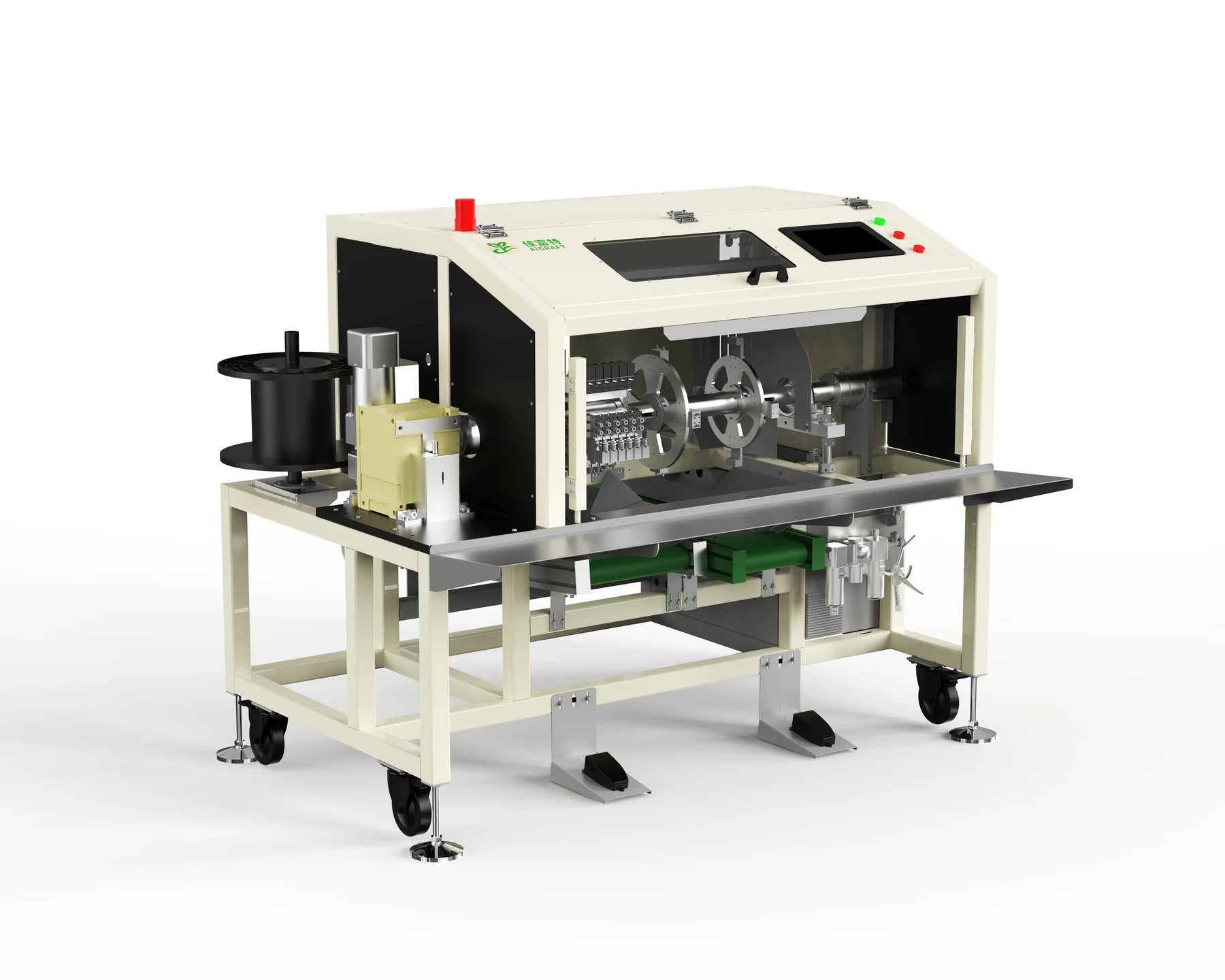
Semi-automatic equipment is often worth evaluating when:
- grafting is concentrated into busy production periods;
- manual cutting and clip fixing become tiring or inconsistent over long shifts;
- operators need to see and sort seedlings while loading;
- tray formats or crop programmes change regularly; or
- a nursery wants to establish a machine-paced grafting station before planning a connected line.
It is not “manual grafting with a motor.” The operator’s job changes from repeating every cutting and joining motion to preparing plant material, loading, observing the process and managing output. That distinction matters when planning labour, training and workstation layout.
What a Fully Automatic Grafting Robot Adds
A fully automatic grafting robot moves more of the sequence into a connected equipment workflow. Depending on the confirmed system, this can include more automated feeding or handling, positioning, cutting, alignment, joining, fixing, transfer and output.
That extra automation is useful only when the material arriving at the machine is controlled well enough to keep the system moving. A fully automatic workflow is therefore usually a production-system decision, not simply a replacement for a semi-automatic workstation.
Conditions That Support a Fully Automatic Workflow
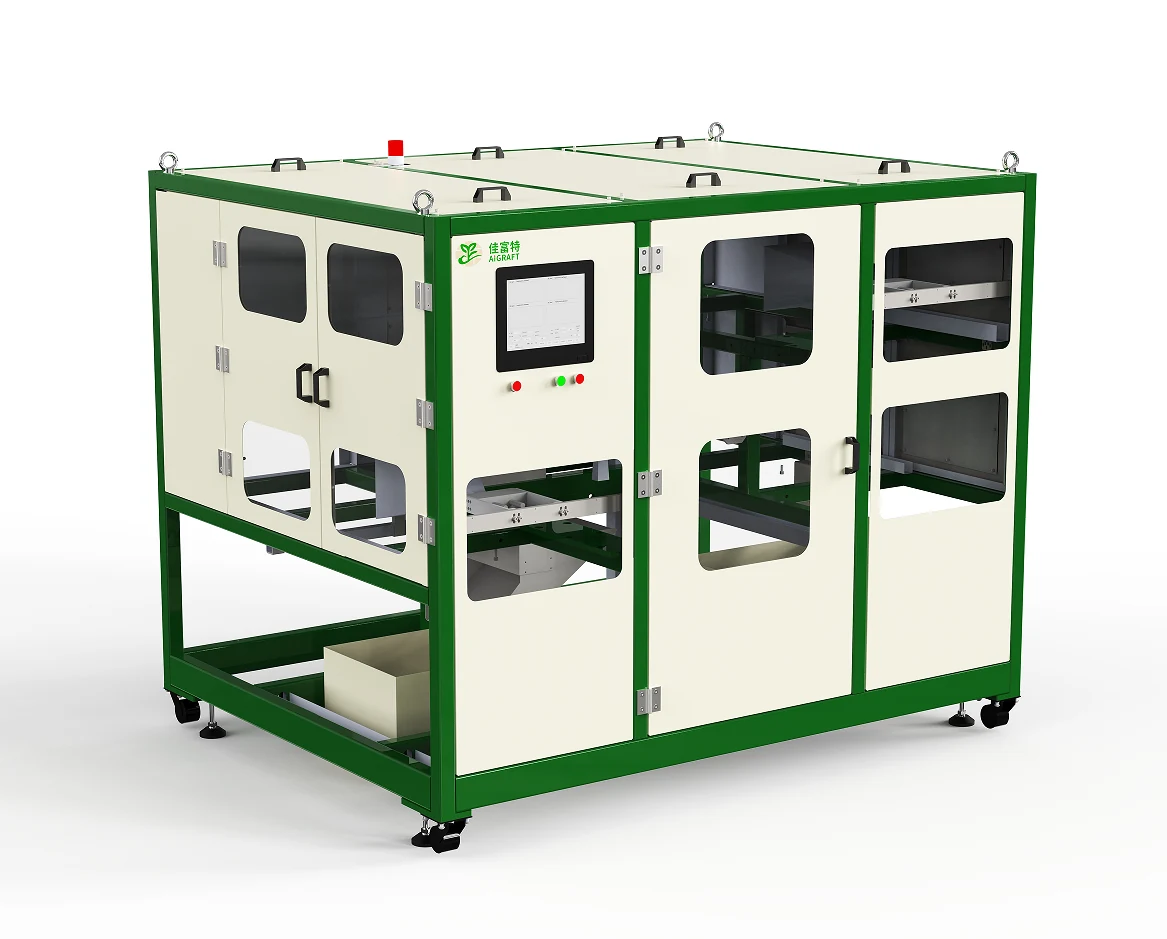
A fully automatic grafting machine is more practical to assess when the nursery has:
- predictable daily or seasonal grafting targets;
- standardized rootstock and scion production;
- defined tray formats and a repeatable tray-flow plan;
- a clear process for preparing seedlings before machine feeding; and
- sufficient space and organization for input, output and healing-room handoffs.
Operators are still required. Their work shifts toward material preparation, machine supervision, monitoring, cleaning, maintenance and process management. Fully automatic does not mean unattended nursery production. It means more handling and grafting stages can be coordinated in the machine workflow after the inputs have been prepared correctly.
Semi-Automatic vs Fully Automatic Grafting Machine: A Practical Comparison
| Decision factor | Semi-automatic grafting machine | Fully automatic grafting robot |
|---|---|---|
| Seedling loading | Operators load rootstock and scion seedlings. | More feeding or handling can be automated, depending on the confirmed system. |
| Operator role | Loading, visual checking, observation and output handling remain central. | Preparation, supervision, monitoring and maintenance become more prominent. |
| Plant-material consistency | Can be practical where batches need closer operator judgement. | Benefits from stable, standardized seedling batches and defined tray flow. |
| Grafting actions | Equipment standardizes selected cutting, positioning, joining, fixing and transfer actions. | More stages, from handling through output, can be linked within the system. |
| Production layout | A focused grafting workstation. | A connected workflow that needs input and output coordination. |
| Typical evaluation point | The repetitive hand-grafting stage is the main bottleneck. | Hand-offs and material movement around grafting are also limiting output. |
| Selection basis | Crop, seedling condition, tray format, staffing and capacity target. | The same factors, plus the consistency of upstream seedling preparation and line flow. |
The table is a starting point, not a specification sheet. A supplier should confirm the actual feeding method, crop compatibility, tray handling and machine configuration before a purchase decision.
Three Common Selection Situations
1. Your grafting batches vary from week to week
If you handle several crop programmes, different seedling conditions or changing tray arrangements, retaining operator loading and visual checks can be practical. In that situation, a semi-automatic seedling grafting machine may give you a more controlled way to standardize the repeated grafting actions without asking the nursery to redesign every upstream process first.
2. Your plant material and tray flow are already highly repeatable
If rootstock and scion batches are produced to a stable rhythm, trays are defined and daily targets are predictable, a fully automatic grafting robot deserves a detailed evaluation. The value is not only the grafting cycle. It is the opportunity to coordinate feeding, handling, processing and output more closely.
3. The problem is larger than one grafting workstation
Sometimes a nursery can graft efficiently but still loses time moving trays, waiting for inspection or arranging output for the healing area. In that case, look beyond a single machine. Integrated seedling grafting production lines can be evaluated as part of a broader layout that connects stations around the actual nursery flow.
Crop Structure Still Matters
The term vegetable grafting machine covers different seedling structures. Tomato, sweet pepper and eggplant are Solanaceae crops. Watermelon, melon and cucumber are Cucurbit crops. Their stem characteristics, growth stage and handling needs differ, so the crop name alone is not enough to confirm a configuration.
For a tomato grafting machine or a watermelon grafting machine evaluation, send both rootstock and scion details. Include seedlings at the intended grafting stage, not only photographs of mature plants. Stem diameter, growth angle, leaf condition, grafting method and tray format all affect how a machine can be set up and how operators should prepare the batch.
Watch the Workflow Before Choosing
https://youtube.com/watch?v=byMwvhv6-sY%3Flist%3DPLOa4vI3ZtSxU
Watch the AiGRAFT seedling grafting machine video before comparing workflows. Then visit the AiGRAFT seedling grafting robot page for the current comparison of semi-automatic and fully automatic models. AiGRAFT also shares field footage in this seedling grafting robot post.
The useful thing to watch is not only the cutting step. Look at how seedlings enter the station, where the operator stands, how the grafted seedling leaves the machine and what needs to happen before it reaches the healing area. Those details reveal whether the proposed workflow matches your nursery.
Information to Prepare for a Technical Evaluation
A practical machine recommendation needs more than an hourly target. Send the following information to AiGRAFT:
- Crop type and rootstock and scion varieties.
- Seedling age or growth stage at grafting.
- Stem diameter and clear photos or short videos of the actual seedlings.
- Plug-tray dimensions, cell count and current tray-flow arrangement.
- Current grafting method and the number of operators involved.
- Target grafting capacity per hour and per day.
- Available layout space, healing-room arrangement and any planned downstream handling.
With that information, the comparison becomes specific: where should operators stay involved, which steps can be automated and whether a standalone machine or a connected nursery automation layout is appropriate.
FAQ
Is a fully automatic grafting machine always the right choice for a large nursery?
No. Scale matters, but input consistency matters too. A large nursery with variable seedling batches may still benefit from an operator-fed workflow. A fully automatic system is most useful when feeding, tray flow and batch preparation can support it.
Does a semi-automatic grafting machine still need trained staff?
Yes. Operators prepare and load living seedlings, observe the work and handle output. The machine can standardize defined grafting actions, but good seedling preparation and process control remain important.
Can one seedling grafting machine work with tomatoes and watermelons?
Both crop groups can be evaluated, but selection depends on the intended rootstock and scion, seedling stage, stem size, grafting method and configuration. Send sample information for each crop programme.
What should I compare besides stated capacity?
Compare the role of operators, the stability of plant material, tray compatibility, upstream preparation, output handling, healing-room flow and the work required to keep the station supplied.
Can a grafting machine be included in a broader nursery automation plan?
It can be evaluated with other production stages when the facility layout and tray flow are known. Start with the AiGRAFT product overview to see the relevant nursery equipment categories.
Make the Selection Around Your Actual Seedlings
The right choice is the one that improves the part of the grafting process that is actually limiting production. A semi-automatic machine can retain useful operator control. A fully automatic grafting robot can support a more connected workflow when inputs are sufficiently standardized. Neither decision should be based on a label alone.
Send your crop list, rootstock and scion varieties, seedling-stage details, stem diameter, tray specification, current workflow, capacity target and photos or videos of the grafting batch. AiGRAFT can then review which seedling grafting machine configuration is appropriate for your nursery.