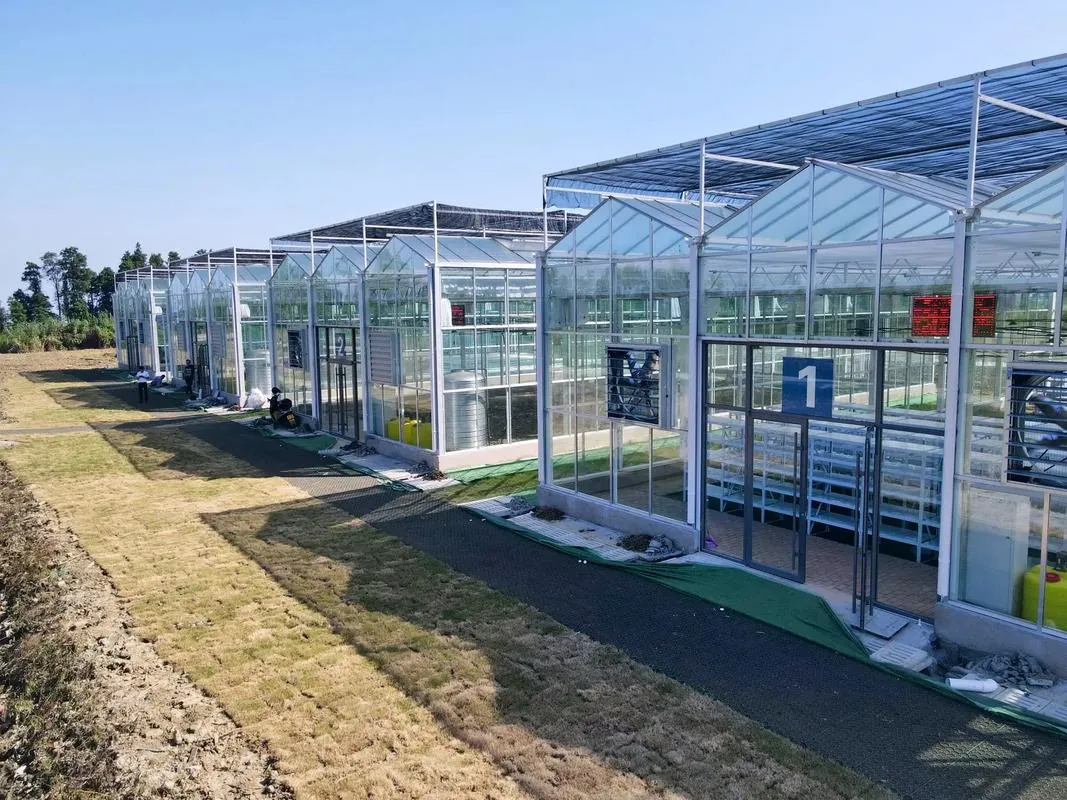
What Happens If Your Grafting Machine Breaks Down During Peak Season?
The rootstock is ready. The scion batch has reached the right stage. A customer expects delivery next week. Then the grafting machine stops.
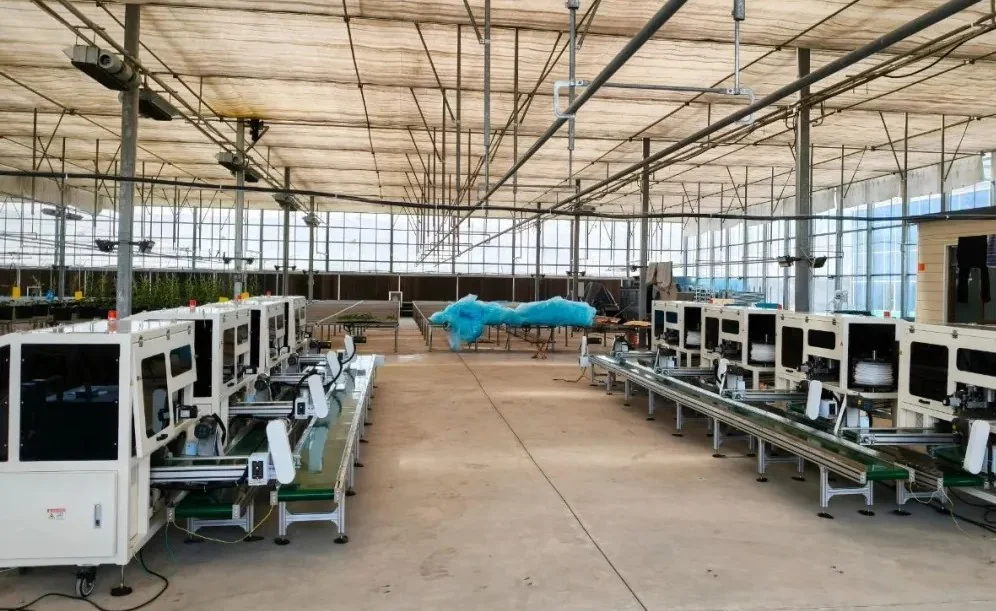
A grafting machine breakdown during peak season is more than a repair problem: it interrupts the nursery’s planting schedule, labor plan and movement into healing. The useful question is not simply how quickly someone answers the phone, but how the nursery protects its plants and restores acceptable production.
If a grafting machine stops, follow the documented safe-stop procedure, protect and identify affected batches, record the fault, contact qualified support and activate a previously tested backup workflow. Resume production only after the repair and output checks have been approved.
First, Make the Equipment Safe and Protect the Batch
Stop using equipment that is behaving abnormally. Follow the manufacturer’s procedure and the nursery’s safe system of work. Do not repeatedly reset an unexplained fault, bypass an interlock or reach into a machine to keep a batch moving.
The UK HSE’s maintenance guidance emphasizes competent personnel, planned maintenance and safe isolation before maintenance work. Electrical, pneumatic and other stored-energy hazards need the appropriate controls; a stopped screen is not evidence that the machine is safely isolated. Use the instructions and competent advice applicable to the equipment and destination country.
Keep completed grafts moving into the agreed healing workflow where safe to do so. Identify seedlings waiting for processing and any plants involved in an interrupted cycle. Ask the responsible grower to decide which material remains suitable. There is no universal safe waiting time for all crops and nursery conditions.
Keep suspect or damaged plants separate rather than mixing them back into accepted trays. A production delay is not a reason to abandon batch identity or hygiene.
Send a Useful Grafting Machine Troubleshooting Report
A message saying “the robot is not working” starts a long exchange. A structured fault report helps the supplier or technician understand the situation without asking operators to improvise a diagnosis.
| Record | Include |
|---|---|
| Equipment identity | Model, serial number and configuration reference |
| Fault evidence | Exact alarm text, time of occurrence and photographs taken from a safe position |
| Production context | Crop, rootstock and scion batch, tray format and task underway |
| Recent changes | Changeover, consumable replacement, cleaning or settings changes |
| Operating history | Previous occurrences and the relevant maintenance-log entries |
| Action already taken | Documented operator actions, by whom and their outcome |
Do not recreate an unsafe fault to obtain a video. Any remote troubleshooting or remote access should follow an agreed support process, with an authorized person responsible on site. Support instructions do not replace the need for competent maintenance personnel.
A stop after a crop or tray change may involve the material or setup as well as the equipment. Keep the crop-changeover and plug-tray setup record with the fault report, rather than assuming every interruption has the same cause.
Separate Repair Time from Production Recovery Time
A repaired machine does not automatically clear the backlog. Diagnosis, parts delivery, installation, verification and the remaining production queue all affect recovery.
Estimated backlog = missed accepted output during the interruption, less output completed through a verified alternative workflow.
For example, suppose a nursery normally produces 900 acceptable grafts per elapsed hour and loses three production hours. With no alternative output, the immediate planning gap is 2,700 grafts. If the restored process has only 300 acceptable grafts per hour of capacity available above ongoing demand, that gap takes nine additional operating hours to clear.
This is an illustrative calculation, not an AiGRAFT performance result. It assumes unchanged input suitability and available staff, utilities and healing capacity.
If no capacity remains above current demand, extending the schedule, reallocating work or revising commitments may be necessary. Do not replace the measured rate with a catalogue maximum in a recovery forecast. Use the same distinction in your nursery automation ROI calculation.
Agree Grafting Machine Spare Parts Before the Busy Period
Ask for a configuration-specific spare-parts and consumables list before peak season. A generic kit is less useful if it does not match the delivered machine revision.
For each recommended item, confirm its part number, compatible revision, stocking location, replacement instructions, required competence and replenishment lead time. Distinguish routine consumables from components whose replacement requires specialist work or further verification.
Ask what is available locally and what must cross a border. Dispatch time is not arrival time: transport, customs clearance and site access can extend the interruption. Record these assumptions in the purchasing and service arrangements.
Test the Backup Workflow, Not Just the Backup Machine
A nursery may retain a trained manual team, another compatible station or an agreed external production option. Each needs a trial before it becomes part of a reliable peak-season contingency plan.
Can the alternative process handle the same crop, stem range, grafting method and trays? Are trained operators, consumables and healing spaces available? Can batches remain traceable? Measure acceptable output under those conditions rather than assuming spare equipment equals spare capacity.
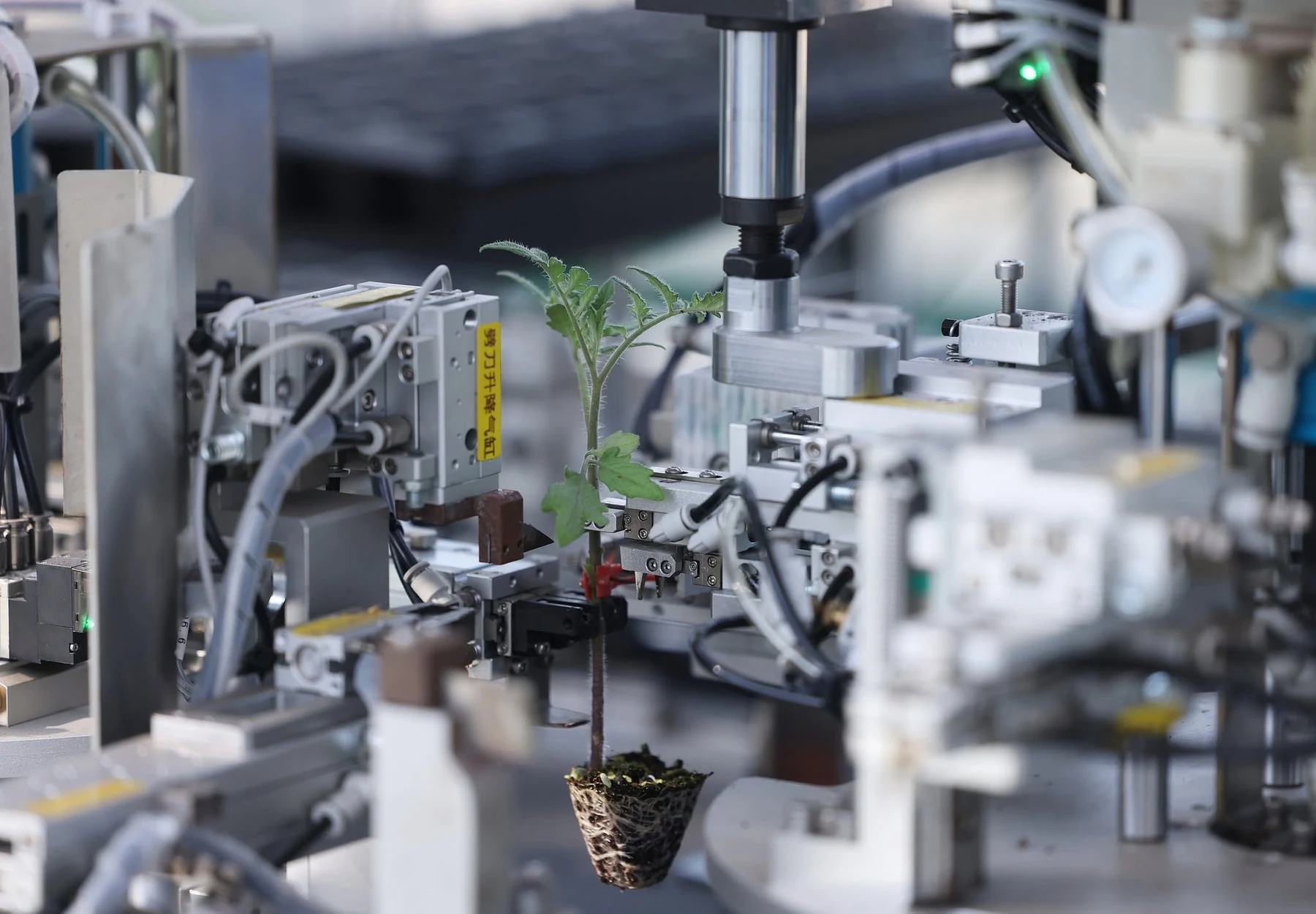
AiGRAFT’s modular grafting production lines organize multiple operator-fed stations within a production workflow. That arrangement is not, by itself, a redundancy guarantee. Shared air supply, electrical supply, controls or collection equipment can create common points of interruption.
Ask specifically whether a faulty station can be safely isolated while others continue, and which shared-system failures would stop the entire arrangement. Require a configuration-specific answer and an agreed operating procedure. A four-station layout should not be advertised as three-station backup operation without verification.
Build Preventive Maintenance into the Seasonal Schedule
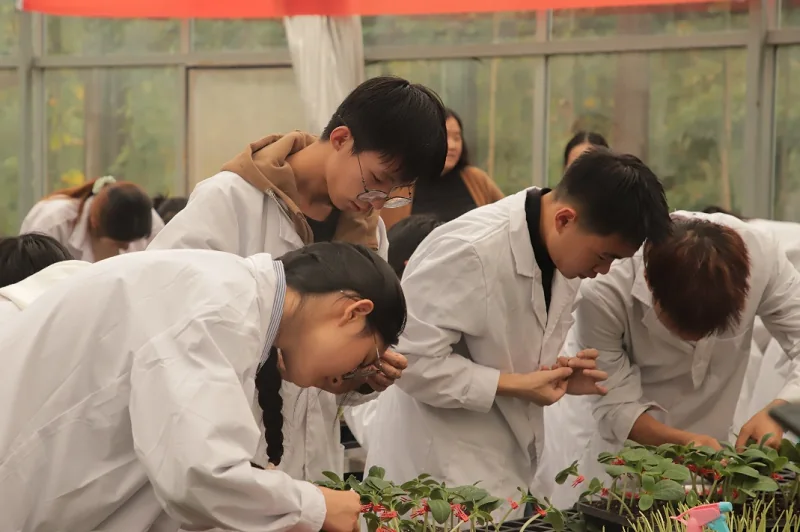
Preventive maintenance for grafting machines should follow the delivered equipment’s instructions, usage and operating conditions. Avoid inventing a universal service interval from another machine’s maintenance checklist.
- Review unresolved alarms and repeated interventions before the production peak.
- Complete scheduled inspections and maintenance with competent personnel.
- Check approved consumable stocks and confirm support contacts and availability.
- Keep setup records, manuals and relevant configuration backups accessible to authorized staff.
- Rehearse fault reporting and the approved backup-production arrangement.
Cleaning must also remain in the operating plan. University of Minnesota Extension’s tomato transplant guidance identifies greenhouse trays, tables and tools as potential reservoirs for plant pathogens and stresses sanitation. A technically successful repair does not resolve plant-health risks created by poor handling or contaminated materials.
Verify Output Before Releasing the Repaired Station
After competent personnel authorize return to service, run the agreed verification procedure with representative material. Record the repair, adjustments, test conditions and release decision.
Check the relevant cutting, alignment, joining, fixing and handling outcomes. Keep trial plants identifiable. Immediate appearance is a process check; later graft survival still depends on seedling matching, handling and healing conditions.
Continue monitoring for recurrence rather than treating the first successful cycle as proof that the issue has been resolved. Review the interruption afterward: what failed, what delayed recovery and what should change before the next peak?
Ask About Support Before Selecting a Grafting Robot
When comparing seedling grafting robots, evaluate the support arrangement alongside throughput and automation level. Ask who diagnoses faults, what operators may safely do, what requires a technician, which parts are stocked and how a repaired machine is accepted back into production.
Use a written nursery equipment acceptance test to document configuration, operator duties and unresolved issues. Request written confirmation of service hours, language coverage, response targets, warranty scope and delivery assumptions. Do not infer these from an exhibition demonstration or a sales video.
Discuss your peak-season grafting plan with AiGRAFT, including daily demand, crop mix, existing equipment, available operators, destination country and backup capacity. This article is a planning guide, not a promise of 24-hour service, local spare-parts availability or a fixed repair time.
Frequently Asked Questions
What should I do if my grafting machine stops during peak season?
Follow the documented safe-stop procedure, identify affected batches, record the alarm and contact qualified support. Use only an approved, tested fallback workflow. Do not bypass safety devices to maintain output.
Which grafting machine spare parts should a nursery keep?
Use the manufacturer’s list for the delivered model and revision. Prioritize items according to usage, failure consequences and supply lead times; confirm who is qualified to replace them and what checks follow replacement.
Can remote support repair every grafting machine fault?
No. Remote support may help interpret evidence and coordinate approved checks, but physical faults, specialist maintenance and safety verification may require competent personnel on site.
Does a multi-machine grafting line prevent production downtime?
No. Parallel stations may offer planning flexibility, but shared utilities, controls and collection can remain common failure points. Independent operation must be confirmed and tested for the specific configuration.
How do I estimate the cost of nursery equipment downtime?
Track missed acceptable output, idle or reassigned labor, repair and logistics costs, rework and any verified commercial consequences. Avoid counting delayed sales as permanently lost revenue or adding the same loss twice.