Solving Labor Shortage in Vegetable Nurseries with Automated Seeding, Grafting and Transplanting Equipment
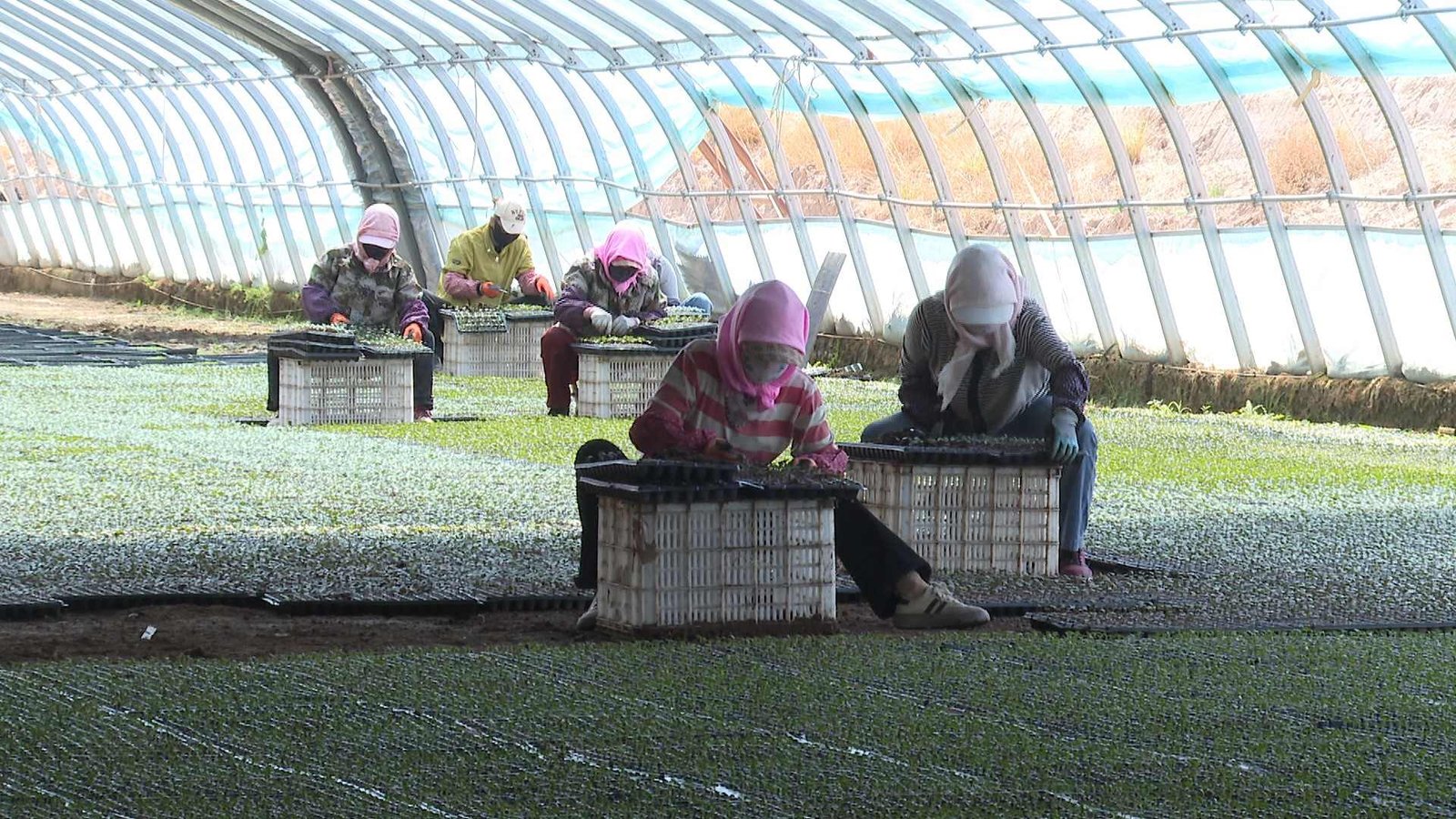
Labor shortage in vegetable nurseries is not only a hiring problem. It often becomes a production bottleneck: trays wait for sowing, grafting depends on a small number of trained workers, weak seedlings require repeated manual checking, and transplanting slows down when tray handling is still done by hand.
For commercial nurseries, the practical answer is not to automate everything at once. The better approach is to identify which stage consumes the most labor, creates the most delay, or causes the most inconsistent seedling quality. Then the nursery can select the right nursery automation equipment for that bottleneck.
AiGRAFT focuses on nursery automation equipment for commercial seedling production, including automatic precision seeders, seedling grafting robots, seedling selection and replenishment machines, automatic seedling grading machines, automatic transplanting machines, and integrated production lines.
Why Labor Shortage Becomes a Production Bottleneck in Vegetable Nurseries
Labor shortage affects nursery production because many seedling operations are repetitive, seasonal, and time-sensitive. When labor is limited, a nursery may still be able to complete the work, but delays and quality variation can appear across the whole production flow.
In vegetable seedling production, labor pressure often appears in four places:
- Tray filling, sowing, covering, and tray movement
- Manual grafting, especially when skilled grafters are limited
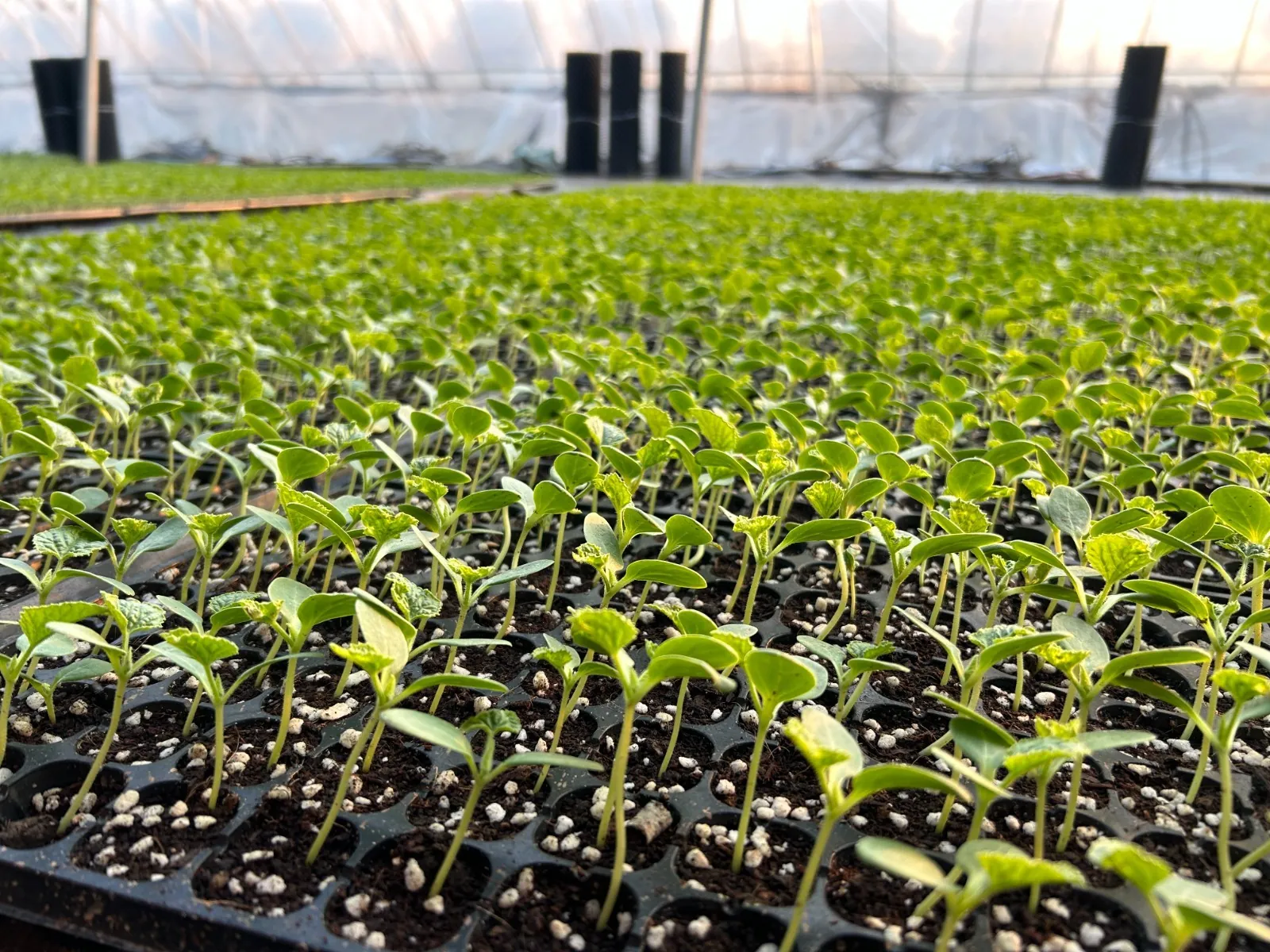
- Checking empty cells, weak seedlings, and uneven trays after germination
- Moving seedlings between trays or containers during transplanting
This is why nursery automation should be evaluated as a workflow decision. A machine that increases output in one stage may also expose a downstream bottleneck. For example, an automatic seeding machine can increase tray preparation speed, but if replenishment and transplanting remain fully manual, labor pressure may simply move to the next process.
Start with the Process That Consumes the Most Skilled or Repetitive Labor
The first automation project should match the nursery’s most painful bottleneck. In many commercial nurseries, labor shortage is caused by two different types of work: repetitive manual work and skilled technical work.
Repetitive work includes tray handling, sowing, seedling checking, and transplanting. Skilled work includes grafting, crop judgement, seedling selection, and process coordination. Both can limit production, but they require different automation choices.
| Nursery bottleneck | Possible automation starting point | Main question to ask |
|---|---|---|
| Too much manual tray preparation | Automatic precision seeder | Are tray formats and seed types repeated enough for automation? |
| Too few skilled grafters | Seedling grafting robot | Are crop type, seedling stage, and grafting method stable enough? |
| Empty cells and weak seedlings | Seedling selection and replenishment machine | Is tray quality after germination reducing downstream efficiency? |
| Uneven seedling size | Automatic seedling grading machine | Do customers or downstream processes require more uniform batches? |
| Slow tray-to-tray transfer | Automatic transplanting machine | What crop, tray, container, and transplanting function are required? |
| Multiple connected bottlenecks | Integrated production line | Should several stages be connected in one planned workflow? |
Automated Seeding: Reducing Repetitive Tray Preparation and Sowing Work
Automated seeding is often the first step when labor shortage appears at the beginning of production. If workers spend too much time filling trays, placing seeds, correcting missed cells, or moving trays between stations, an automatic precision seeder may be the right starting point.
For commercial vegetable nurseries, seeding automation can help standardize the early production process. It is especially relevant when the nursery uses repeated plug tray formats, handles large batch volumes, and needs more stable sowing work during peak season.
However, seeding equipment should not be selected only by machine name. The supplier needs to understand seed type, tray dimensions, number of cells per tray, filling method, covering requirements, and downstream tray movement. If these details are unclear, the seeding stage may be automated while the rest of the workflow remains inefficient.
Seedling Grafting Robots: Reducing Dependence on Skilled Grafting Labor
For grafted seedling producers, the biggest labor bottleneck is often skilled grafting work. Manual grafting requires trained workers to cut, align, join, and support rootstock and scion seedlings with repeatable hand movements. During peak production weeks, a shortage of skilled grafters can limit capacity even when tray preparation and greenhouse space are available.
A seedling grafting robot or semi-automatic grafting machine can help organize grafting into a more repeatable workflow. The goal is not to remove all human judgement from the process. The goal is to reduce dependence on a small number of highly skilled workers and make key grafting actions more consistent.
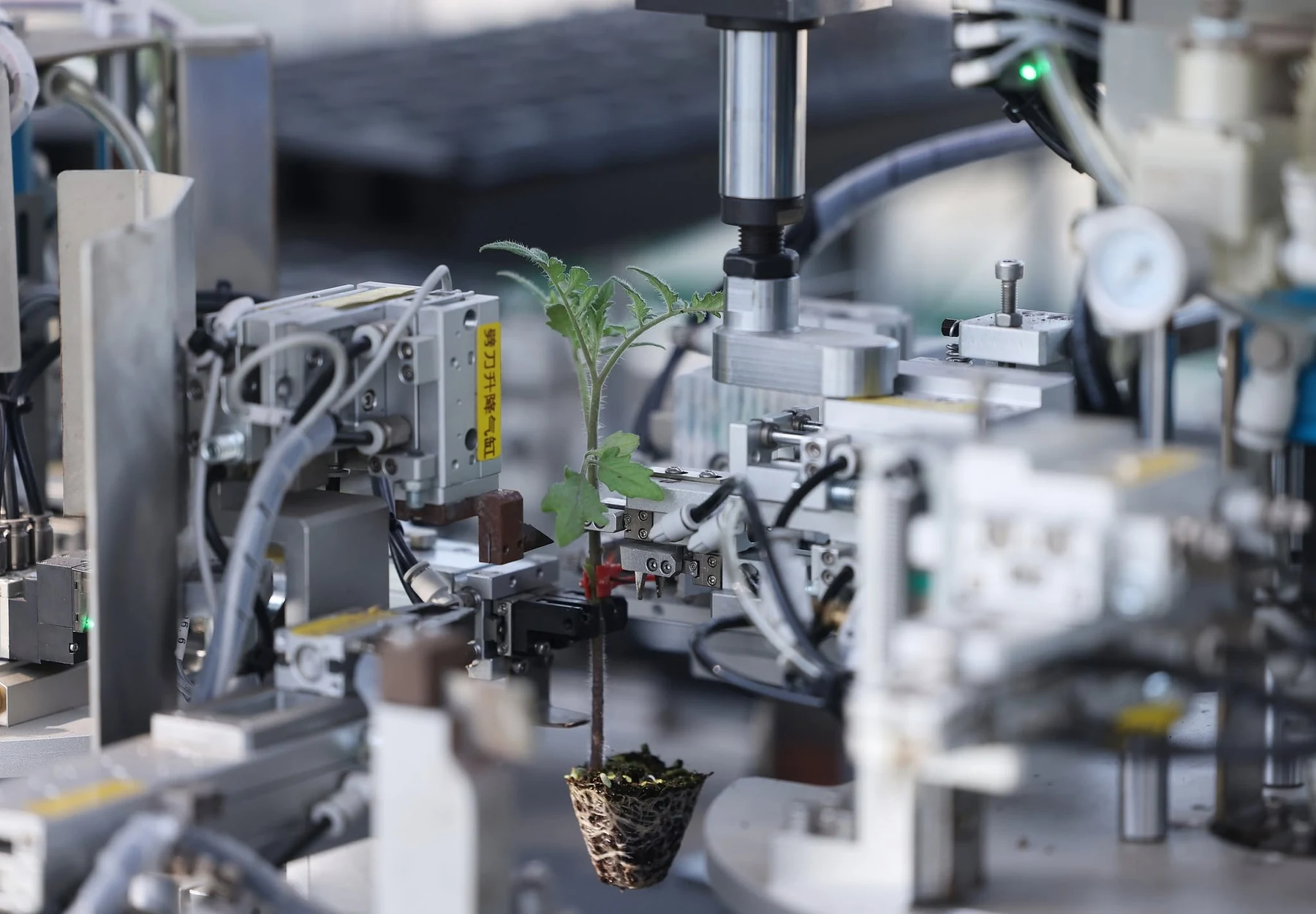
Crop structure matters. Solanaceae crops such as tomatoes, peppers, and eggplants are different from Cucurbit crops such as watermelons, melons, and cucumbers. Machine selection should consider crop type, rootstock and scion condition, seedling age, stem diameter, grafting method, operator workflow, and post-grafting healing conditions.
For nurseries with larger grafting demand, integrated production lines may help organize multiple grafting stations, tray movement, and related workflow steps into a more structured production system.
Selection, Replenishment and Grading: Reducing Hidden Labor After Germination
Not all labor shortage is visible at the first production stage. Many nurseries spend significant time after germination checking trays, removing weak seedlings, replacing empty cells, and sorting seedlings by condition. This hidden labor can reduce the value of earlier automation if it is not addressed.
A seedling selection and replenishment machine is relevant when trays often contain empty cells, missed seedlings, weak seedlings, or uneven growth. Instead of treating the tray as a finished product after seeding, this type of automation focuses on tray quality before the next production stage.
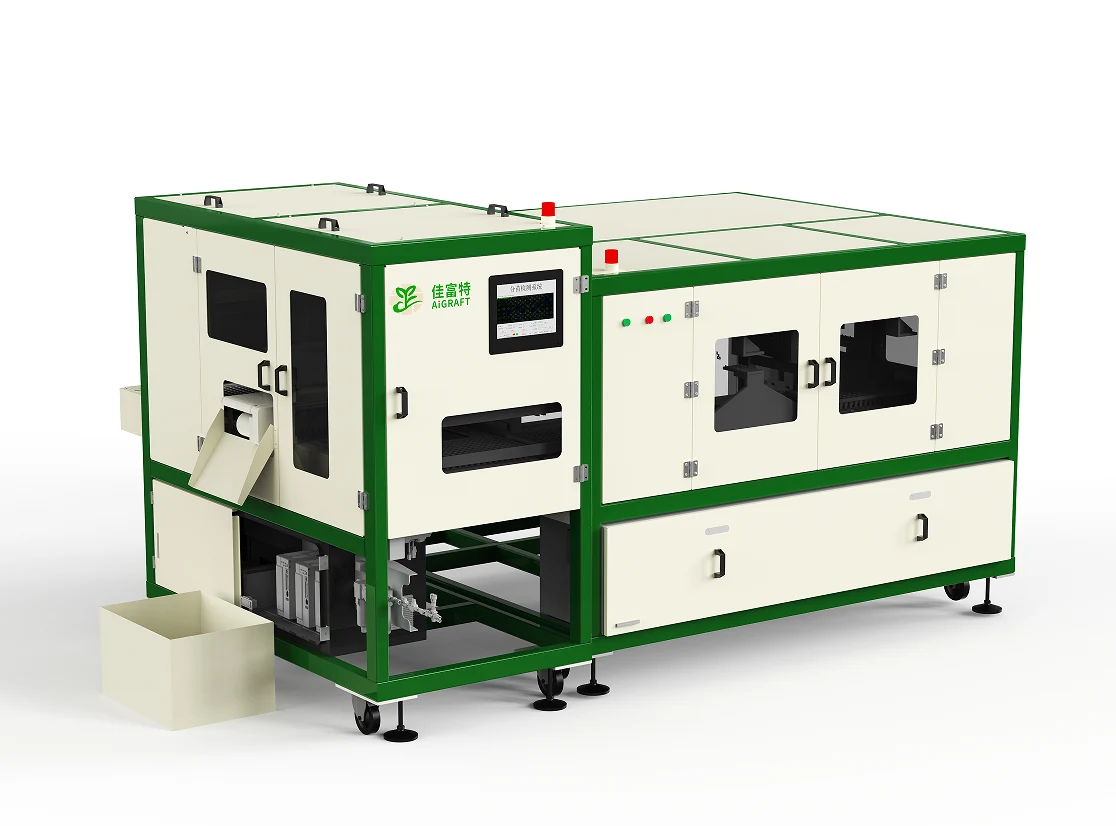
An automatic seedling grading machine is relevant when seedling size and uniformity affect customer requirements, transplanting efficiency, or batch organization. Grading can be especially useful when nurseries need more consistent lots before sales, transplanting, or integrated production.
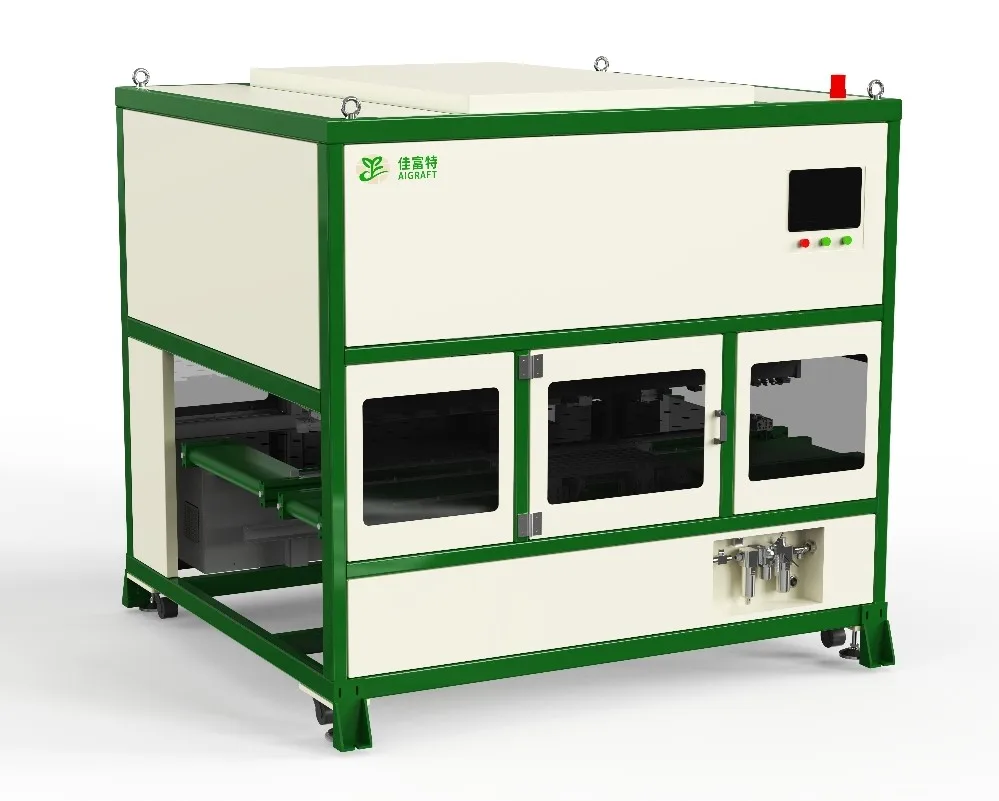
Selection, replenishment, and grading are often overlooked because they sit between larger headline machines. In practice, these steps can be where workers spend many hours correcting quality problems that were created earlier in the workflow.
Automatic Transplanting: Reducing Manual Tray-to-Tray Handling
Automatic transplanting is usually considered when manual tray-to-tray transfer becomes a major labor point. This may include moving seedlings from high-density trays to lower-density trays, transferring seedlings into compatible growing containers, or preparing more uniform batches for later production.
An automatic transplanting machine should be evaluated from real production data. The key questions include crop type, plug tray dimensions, number of cells per tray, planting board or growing trough dimensions, seedling size, root development, target spacing, and whether the function is density transfer, replacement, or grading-based transplanting.
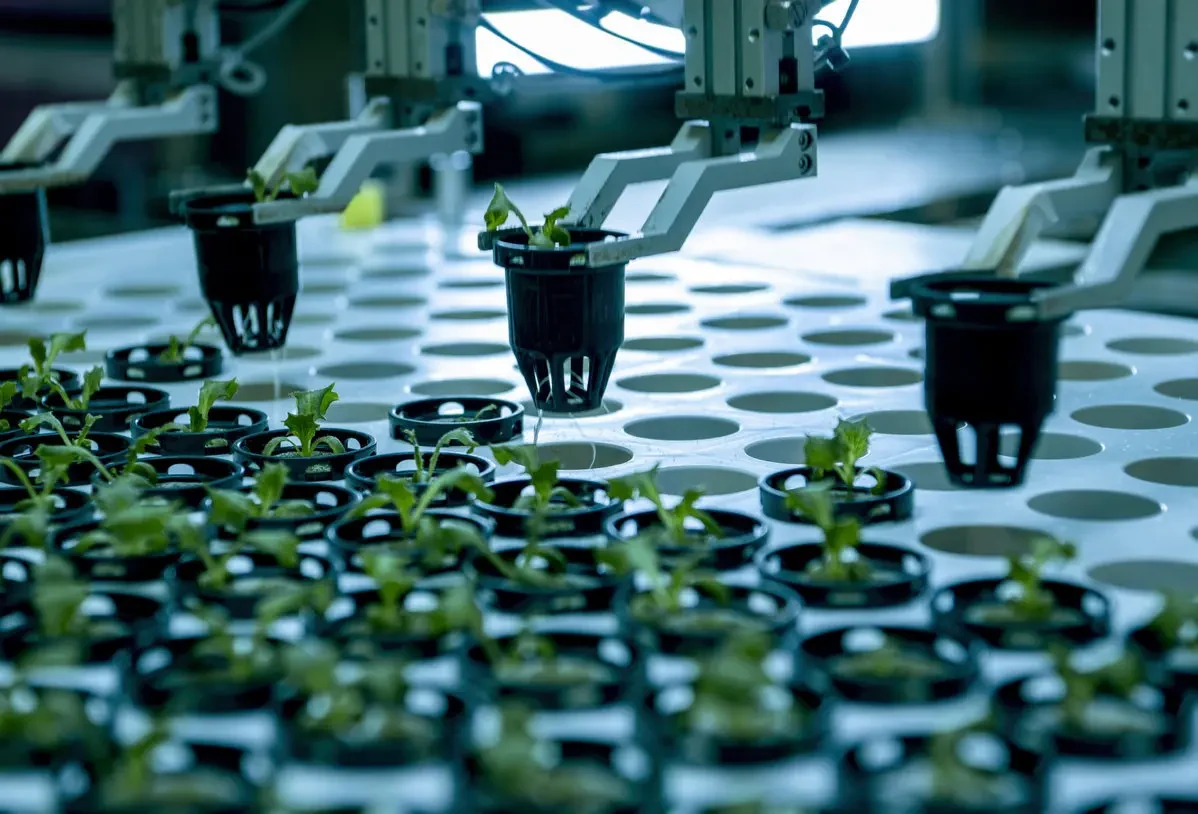
Transplanting is often more customized than seeding because the machine must handle both the seedling and the receiving container. If the crop, tray, and target container are not clearly defined, it is difficult to recommend the right configuration.
Standalone Machine or Integrated Nursery Automation Line?
A standalone machine is usually suitable when the nursery has one clear bottleneck. For example, a nursery may start with seeding automation because tray preparation is slow, or with grafting automation because skilled grafters are difficult to hire.
An integrated line is more suitable when several stages need to be connected. This may include seeding, visual inspection, replenishment, grafting, grading, transplanting, and tray movement. Integrated automation requires a clearer production plan, but it can help reduce repeated manual handling between workstations.
For many nurseries, phased automation is the most practical path:
- Identify the stage that limits production today.
- Automate that stage first.
- Measure how the bottleneck changes.
- Add connected equipment when the next constraint becomes clear.
This approach keeps automation tied to the nursery’s real workflow instead of turning equipment purchasing into a guess.
Information to Prepare Before Requesting a Recommendation
To recommend the correct nursery automation equipment, a supplier needs production details, not only a product name. Before requesting a quotation, prepare:
- Crop type and variety
- Seed type and sowing requirements
- Plug tray dimensions and number of cells per tray
- Current tray handling process
- Rootstock and scion information for grafted seedlings
- Seedling age, growth stage, and stem diameter
- Current grafting method if grafting is involved
- Planting board, growing trough, or receiving container dimensions for transplanting
- Current labor workflow and main bottleneck
- Required hourly or daily production target
- Photos or videos of trays, seedlings, and current workstations
This information helps determine whether the starting point should be seeding, grafting, selection and replenishment, grading, transplanting, or an integrated nursery automation plan.
FAQ
Can automation fully replace workers in a vegetable nursery?
Usually no. Automation can reduce repetitive manual work, improve workflow stability, and lower dependence on a few skilled workers, but nurseries still need people for crop judgement, operation, maintenance, tray preparation, quality checks, and production management.
Which process should a nursery automate first?
Start with the process that creates the largest labor bottleneck or quality problem. For one nursery, that may be automatic seeding. For another, it may be grafting, replenishment, grading, or transplanting.
When is a seedling grafting robot useful?
A seedling grafting robot is useful when grafted seedling demand is stable and skilled manual grafting labor limits production. Correct selection depends on crop type, seedling stage, stem diameter, grafting method, and labor workflow.
Why is automatic transplanting often customized?
Automatic transplanting must match the crop, plug tray, seedling size, root condition, receiving container, and target transplanting function. These factors vary widely between nurseries, so the supplier needs detailed production information before recommending a configuration.
What should I send to AiGRAFT before asking for equipment advice?
Send crop type, tray specifications, seedling stage, current workflow, labor bottleneck, target capacity, and photos or videos of trays and seedlings. For grafting projects, include rootstock and scion information. For transplanting projects, include receiving container dimensions and the exact transfer function required.
Next Step
If labor shortage is limiting your vegetable seedling production, start by mapping the workflow from seeding to grafting, selection, grading, and transplanting. Then identify the stage where labor pressure creates the biggest delay or quality risk.
You can review AiGRAFT’s nursery automation equipment at aigraftrobot.com/product and prepare your crop, tray, seedling, workflow, and capacity information before requesting a recommendation.