Where Should a Commercial Nursery Start with Automation: Seeding, Grafting, Grading or Transplanting?
In This Article
- How to identify the real bottleneck in commercial seedling production
- When to start with automatic seeding, seedling grafting, grading or transplanting
- How to match nursery automation equipment with plug tray workflow
- What information to prepare before requesting an AiGRAFT recommendation
The right starting point is not always the most advanced machine. A commercial nursery should first identify where labor cost, production delay, inconsistent seedling quality, or tray handling pressure is highest. Then it can choose the right nursery automation equipment step by step.
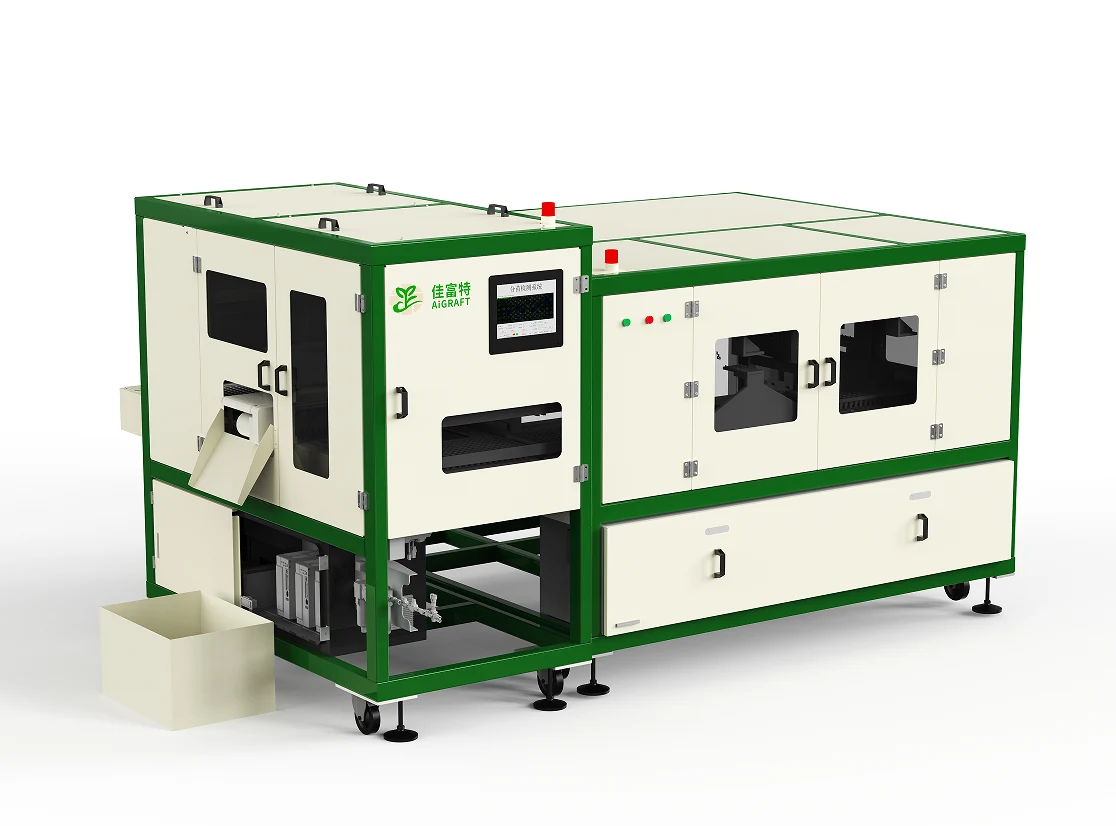
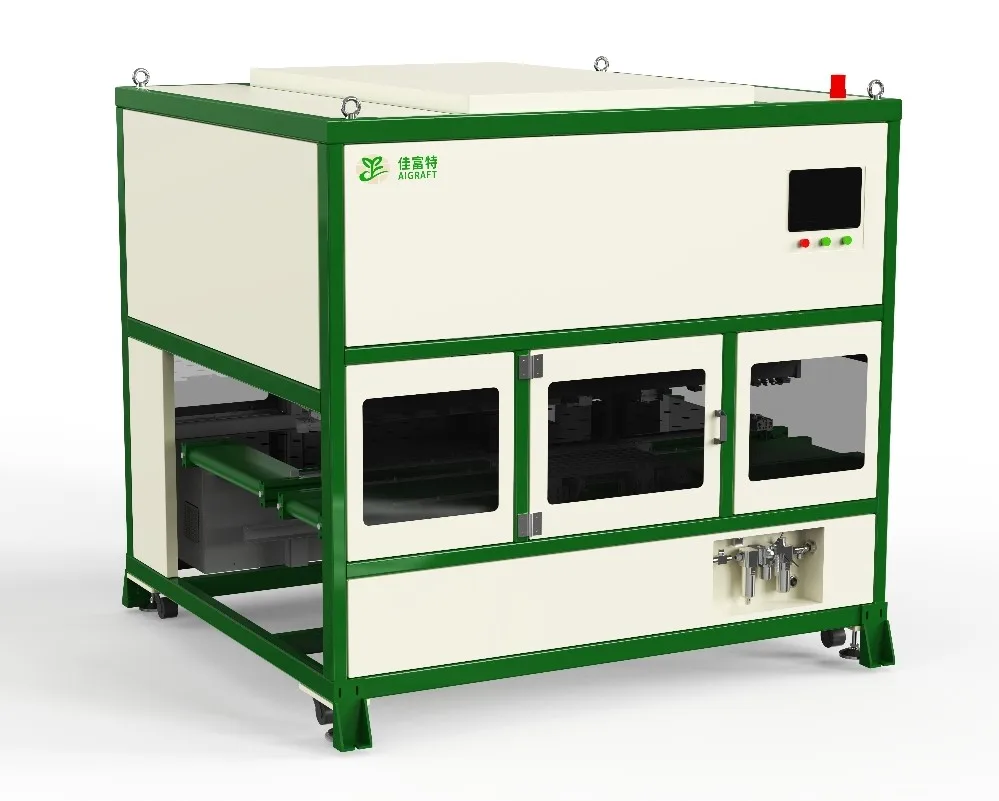
AiGRAFT develops nursery automation equipment for precision seeding, seedling grafting, machine vision inspection, seedling replenishment, seedling grading, automatic transplanting, and integrated nursery production lines. This article explains how to decide which automation stage should come first.
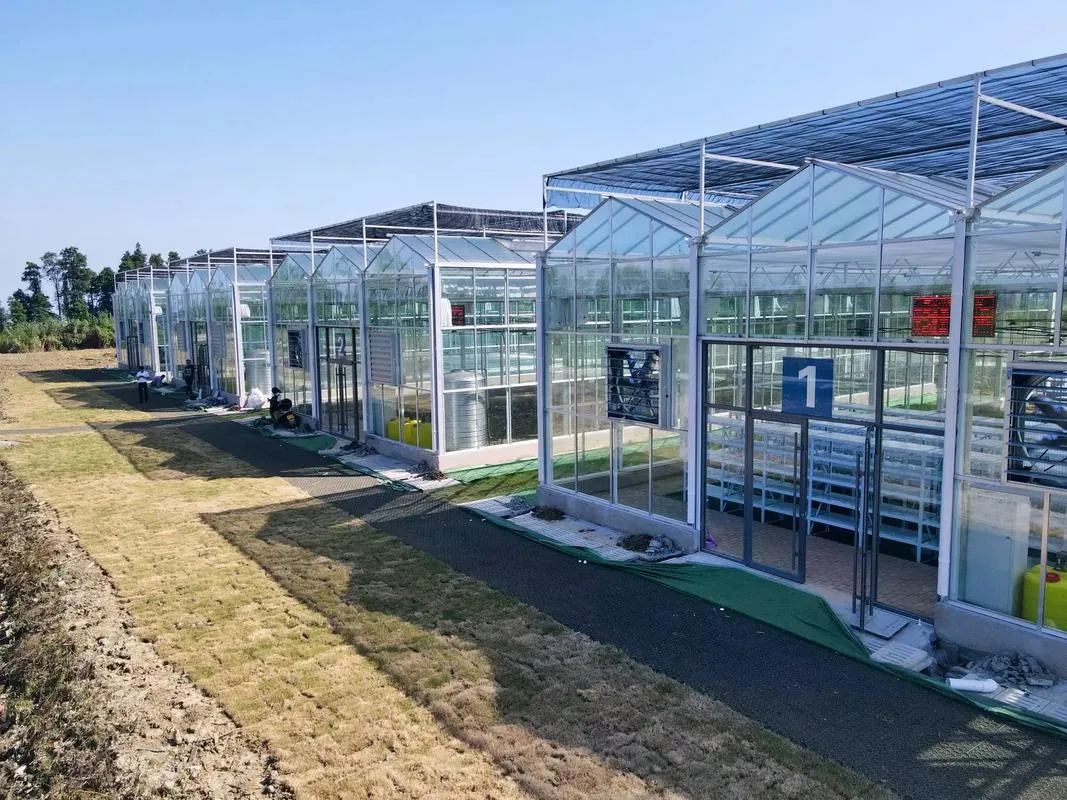
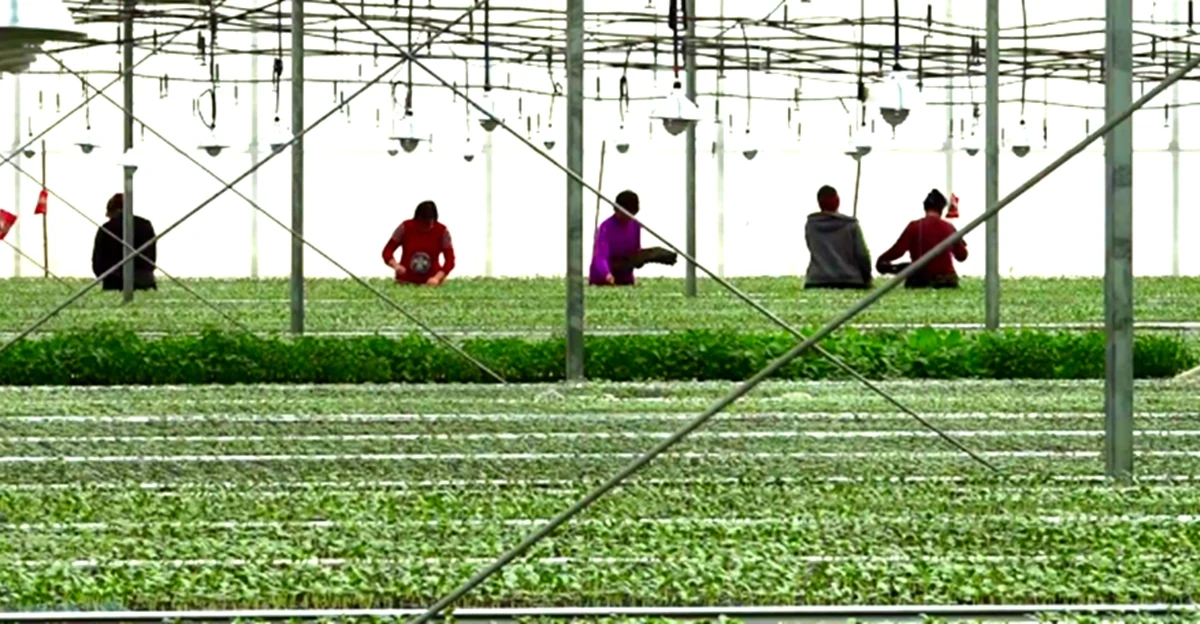
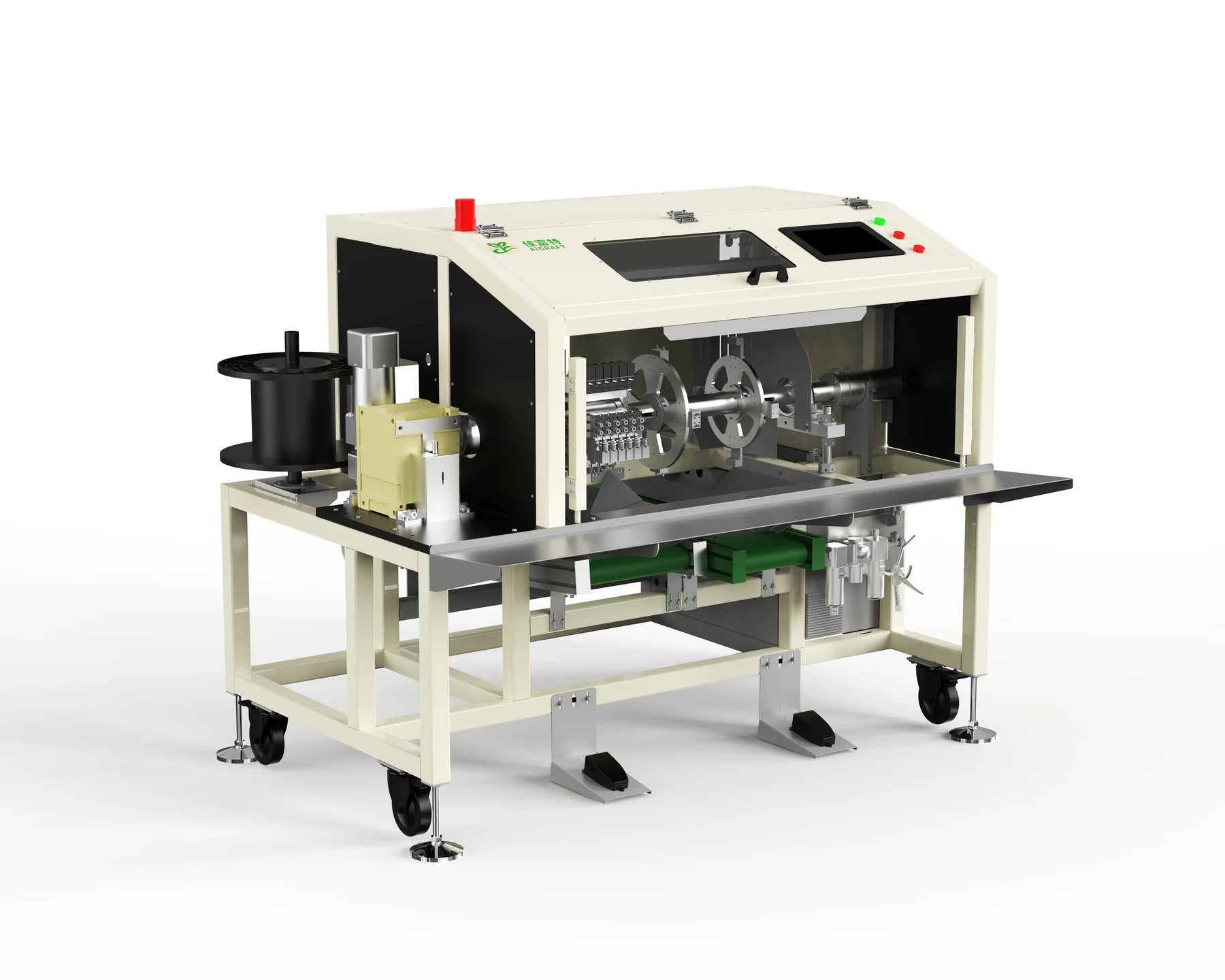
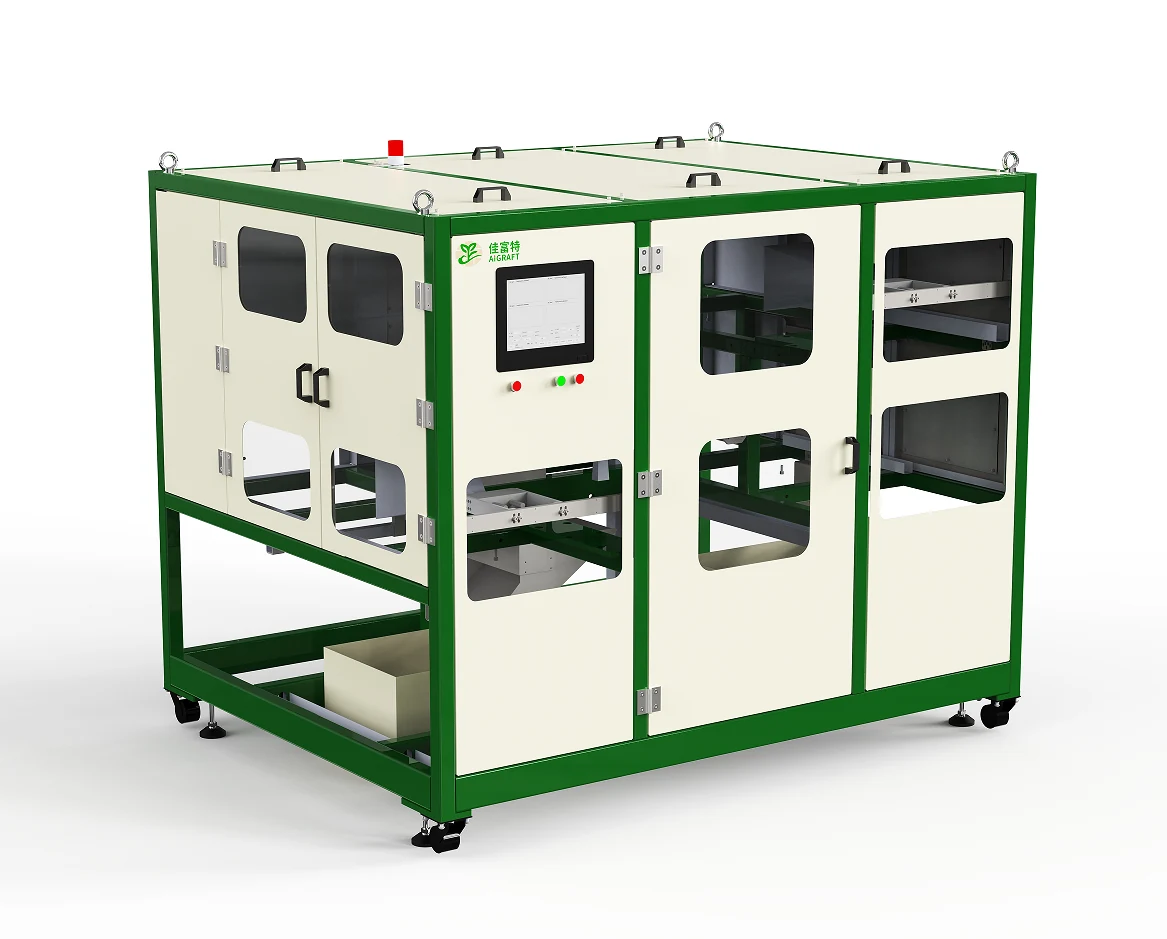
AiGRAFT Nursery Automation Equipment Images
Why Nursery Automation Should Start with the Real Bottleneck
Many nurseries ask, “Which machine should we buy first?” A better question is: “Which process is limiting production quality, labor efficiency, or delivery capacity?”
In commercial seedling production, automation usually solves one of four problems:
- Too much manual labor is required.
- Seedling quality is inconsistent between batches.
- Production cannot keep up during peak season.
- Tray movement and workstation coordination are inefficient.
If your nursery automates the wrong stage first, the bottleneck may simply move to the next process. For example, a high-speed automatic precision seeder may increase tray output, but if weak seedling removal and transplanting are still manual, downstream labor pressure can increase.
That is why nursery automation should be planned as a workflow, not just a machine purchase.
Start with Automatic Seeding if Your Main Problem Is Tray Output and Sowing Consistency
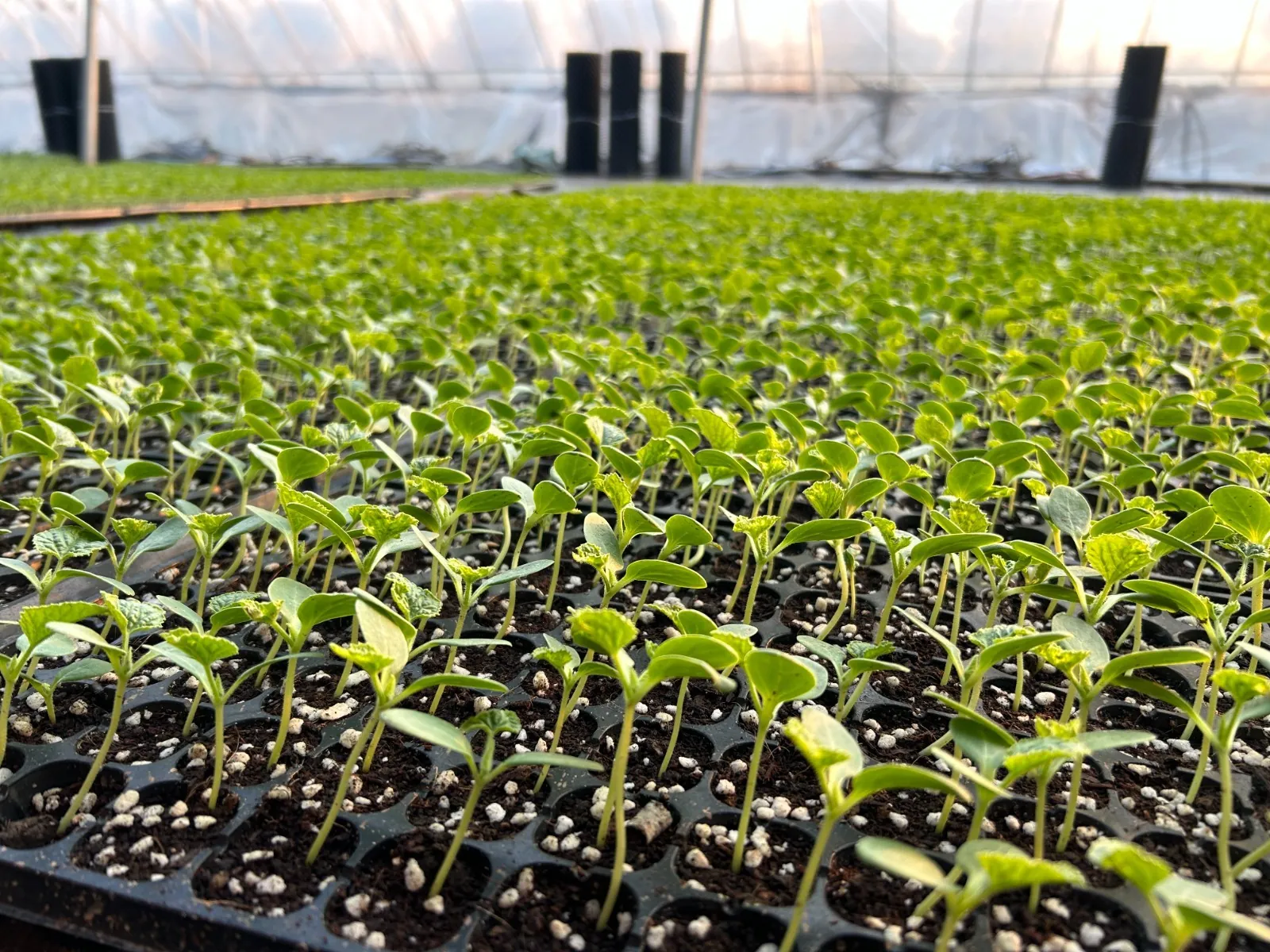
Automatic seeding equipment is often the first step for plug tray nurseries that need stable seedling production at scale. If workers spend too much time filling trays, sowing seeds, correcting missed cells, and handling uneven batches, an automatic precision seeder may be the right starting point.
Seeding automation is suitable when your nursery has:
- Large plug tray volume
- Repeated tray formats
- High demand for sowing consistency
- Labor pressure during seedling production season
- Downstream processes that can already handle increased tray output
AiGRAFT’s Automatic Precision Seeder is designed for precision plug-tray seeding in professional nursery production.
Start with Seedling Grafting Automation if Skilled Labor Is the Bottleneck
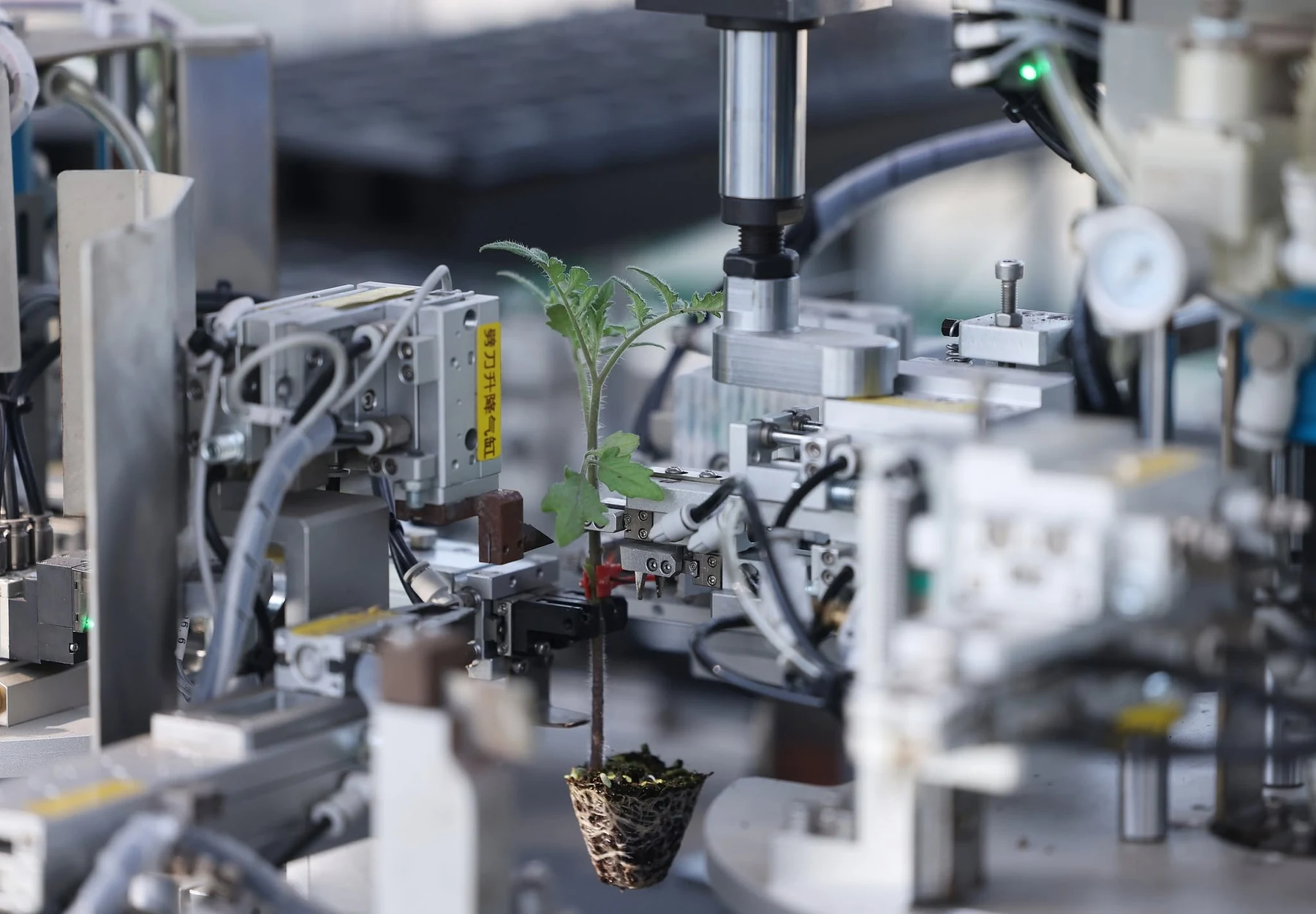
A seedling grafting robot is usually the right starting point when a nursery already produces grafted seedlings but depends heavily on skilled manual grafters.
Manual grafting requires repeated cutting, alignment, joining, and fixing of rootstock and scion seedlings. During peak grafting weeks, worker fatigue and batch pressure can affect consistency. If your nursery produces tomatoes, peppers, watermelons, melons, cucumbers, or other grafted seedlings, grafting may be the stage where automation creates the most immediate value.
Grafting automation is suitable when your nursery has:
- Stable grafted seedling demand
- Skilled labor shortage
- High seasonal grafting pressure
- Inconsistent manual grafting quality
- A need to scale from manual tables to organized workstations
AiGRAFT provides Seedling Grafting Robot options, including semi-automatic and fully automatic configurations. For nurseries that already have stable grafting demand, AiGRAFT also offers Integrated Production Lines for Seedling Grafting, where multiple grafting stations can be organized into a more structured production workflow.
Start with Seedling Selection and Replenishment if Empty Cells and Weak Seedlings Reduce Tray Quality
Some nurseries do not have a seeding speed problem. Their real problem appears after germination: empty cells, missing seedlings, weak seedlings, and uneven trays.
If workers spend many hours checking plug trays and manually replacing missing or weak seedlings, machine vision inspection and seedling replenishment may be the better starting point.
Seedling selection and replenishment automation is suitable when your nursery has:
- High tray volumes after germination
- Empty cells or missing seedlings
- Weak seedlings that need removal
- Manual checking pressure
- Customer requirements for more uniform trays
AiGRAFT’s Seedling Selection Replenishment Machine is designed for this type of nursery problem.
Start with Seedling Grading if Size Uniformity Is the Main Customer Requirement
Seedling grading becomes important when customers expect uniform seedlings for transplanting, grafting, shipping, or automated downstream handling.
In many commercial nurseries, seedlings do not grow at exactly the same speed. Even if seeding is accurate, trays can still contain seedlings with different height, stem size, leaf condition, or growth strength. If these seedlings enter transplanting or delivery without sorting, final batch quality can become uneven.
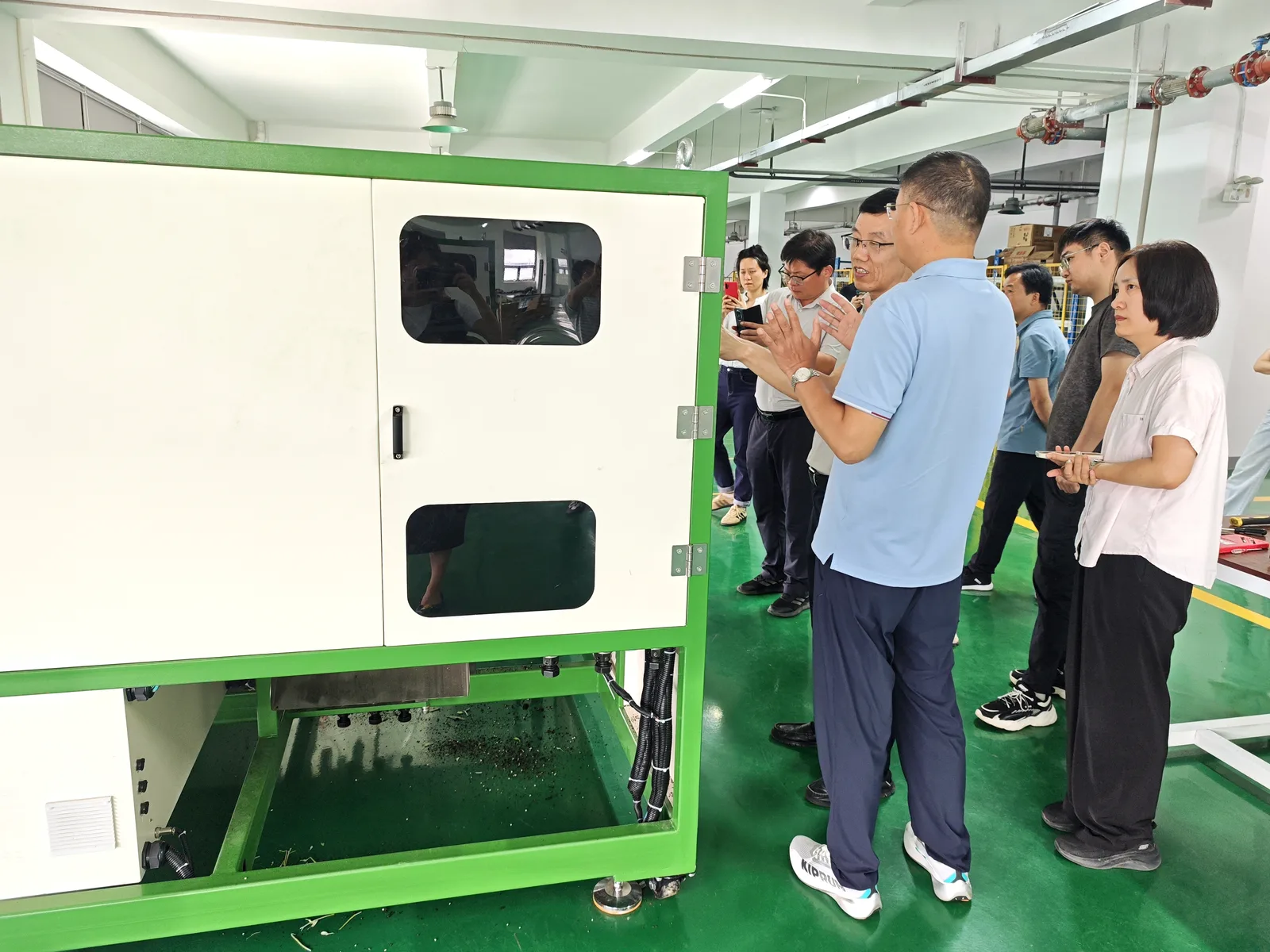
AiGRAFT’s Automatic Seedling Grading Machine supports seedling grading and transfer according to configured nursery production requirements.
Start with Automatic Transplanting if Manual Tray Transfer Limits Scale
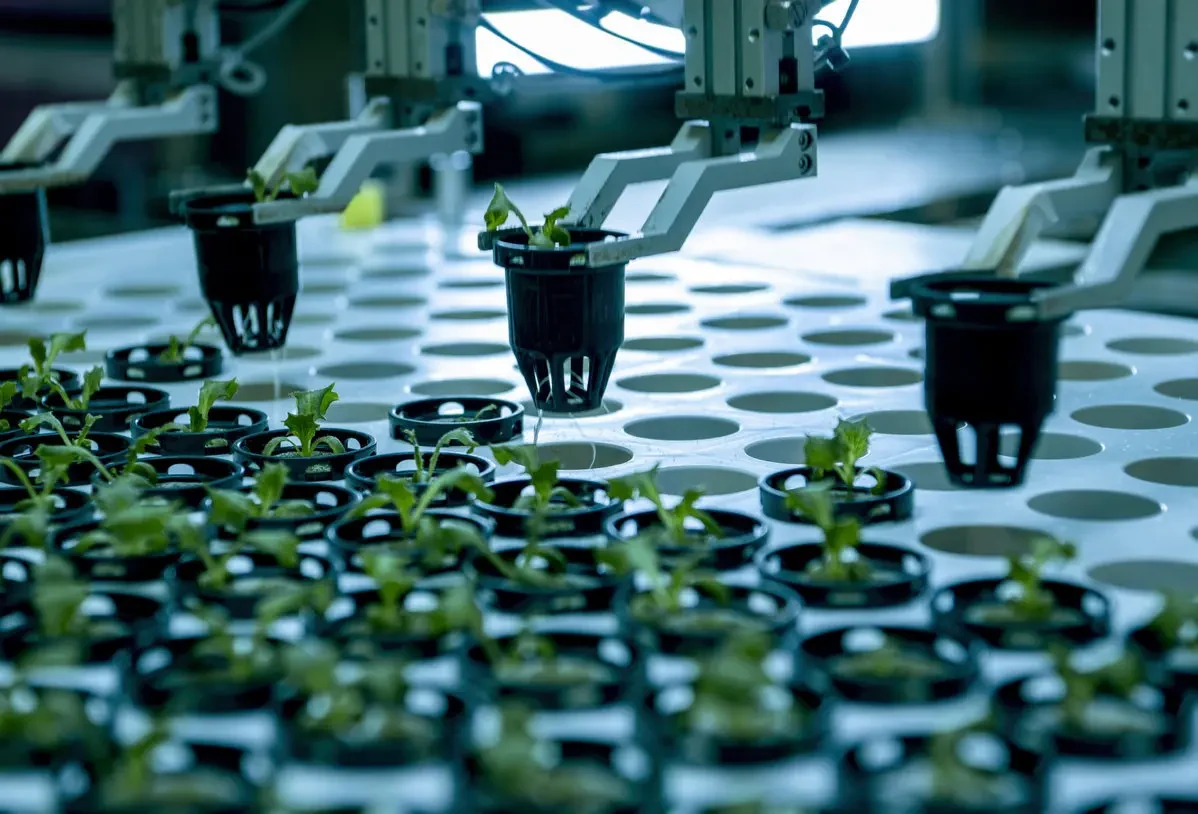
Plug tray transplanting is a major labor point in protected agriculture and commercial seedling production. Automatic seedling transplanting is suitable when your nursery needs to move seedlings between trays, from high-density trays to lower-density trays, or into compatible growing containers.
However, transplanting equipment is often more project-specific than basic seeding equipment because tray dimensions, cell number, seedling stage, substrate condition, and target container format all affect machine selection.
AiGRAFT’s Automatic Transplanting Machine can be evaluated according to crop type, tray format, planting container, seedling stage, and required transplanting function.
Comparison: Which Nursery Automation Equipment Should Come First?
| Nursery Bottleneck | Recommended Starting Point | Related AiGRAFT Equipment |
|---|---|---|
| Slow or inconsistent tray seeding | Automatic seeding | Automatic Precision Seeder |
| Skilled grafting labor shortage | Seedling grafting automation | Seedling Grafting Robot |
| Empty cells or weak seedlings after germination | Vision inspection and replenishment | Seedling Selection Replenishment Machine |
| Uneven seedling size or quality | Seedling grading | Automatic Seedling Grading Machine |
| Heavy manual tray transfer | Automatic transplanting | Automatic Transplanting Machine |
| Multiple bottlenecks across the workflow | Phased automation plan | Integrated Nursery Production Line |
A Practical Decision Framework for Commercial Nurseries
Before buying nursery automation equipment, review your production process in order:
- Where do workers spend the most time?
- Which process causes the most delays during peak season?
- Which stage creates the most quality complaints?
- Which tray format or crop type is repeated most often?
- Which machine can be added without disrupting the whole nursery layout?
- Which stage should be automated now, and which can be connected later?
For many nurseries, the best approach is phased automation. Start with the most painful process, then connect additional stages as production volume grows.
For example, a vegetable nursery may begin with an automatic precision seeder, then add seedling selection and replenishment, and later introduce automatic transplanting. A grafted seedling producer may begin with a semi-automatic seedling grafting robot, then expand into an integrated grafting production line when daily output increases.
What Information Should You Prepare Before Asking for a Recommendation?
To recommend the correct nursery automation equipment, a supplier needs more than a product name. Prepare the following information before requesting a quotation:
- Crop type and seedling variety
- Plug tray dimensions
- Number of cells per tray
- Current production capacity
- Target capacity per hour or per day
- Current manual workflow
- Main bottleneck: seeding, grafting, grading, replenishment, or transplanting
- Seedling photos or videos
- Workshop or greenhouse layout
- Existing equipment you want to connect
AiGRAFT Nursery Automation Solutions
AiGRAFT provides standalone machines and modular systems for commercial seedling nurseries. Product options include precision seeding equipment, seedling grafting robots, vision-guided seedling selection and replenishment systems, automatic seedling grading machines, automatic transplanting machines, and integrated nursery production lines.
If you are not sure where to start, begin by identifying your main bottleneck. Then send AiGRAFT your crop, tray format, seedling condition, current workflow, target capacity, and automation goal.
Explore AiGRAFT Nursery Automation EquipmentFAQ
What is the first machine a commercial nursery should automate?
The first machine should match the biggest bottleneck. If seeding is slow, start with an automatic precision seeder. If grafting labor is the main issue, start with a seedling grafting robot. If weak seedlings or empty cells reduce tray quality, start with selection and replenishment.
Is it better to buy one machine or an integrated nursery production line?
It depends on your current workflow. A standalone machine is often suitable for solving one clear bottleneck. An integrated nursery production line is more suitable when several stages need to be connected.
Why is automatic transplanting more customized?
Automatic transplanting depends on crop type, plug tray size, number of cells, seedling stage, substrate condition, and target container or tray format. These details affect machine selection and configuration.
Can nursery automation reduce labor pressure?
Yes, automation can reduce labor pressure in repetitive operations such as seeding, grafting, selection, grading, and transplanting. Operators are still needed for preparation, supervision, quality checking, and process management.
What should I send before requesting a nursery automation quotation?
Send your crop type, tray dimensions, cells per tray, seedling photos, current workflow, main bottleneck, current capacity, target capacity, and greenhouse or workshop layout.