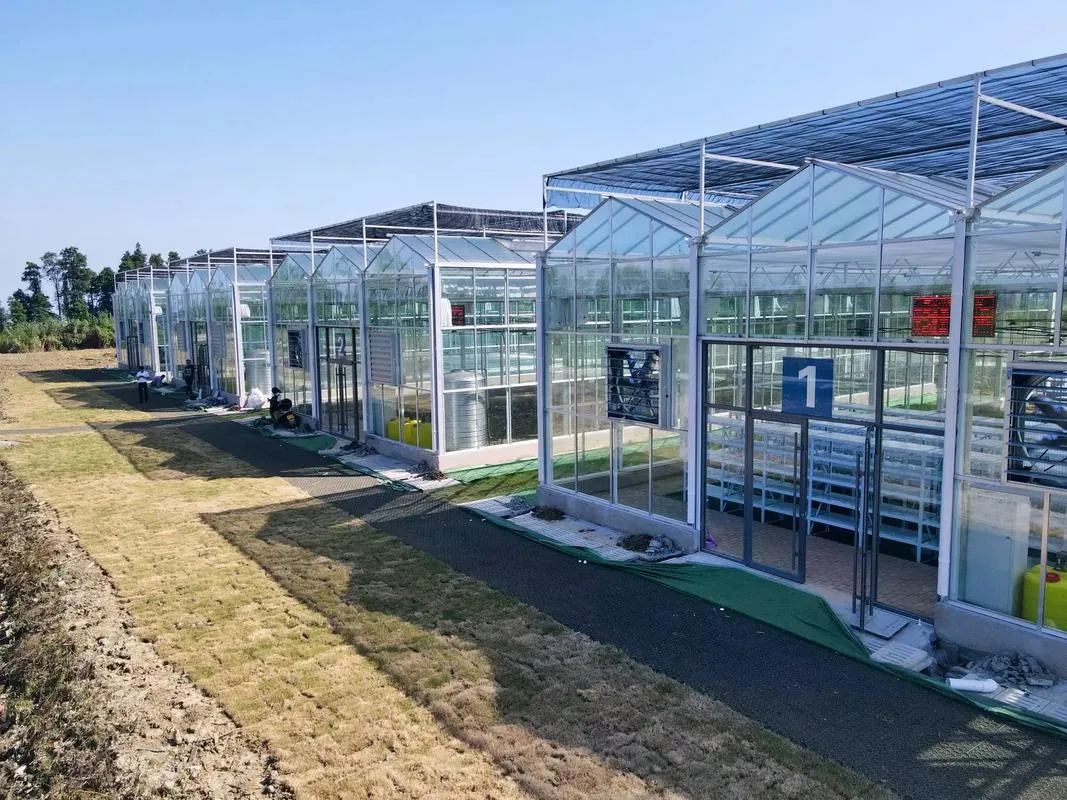
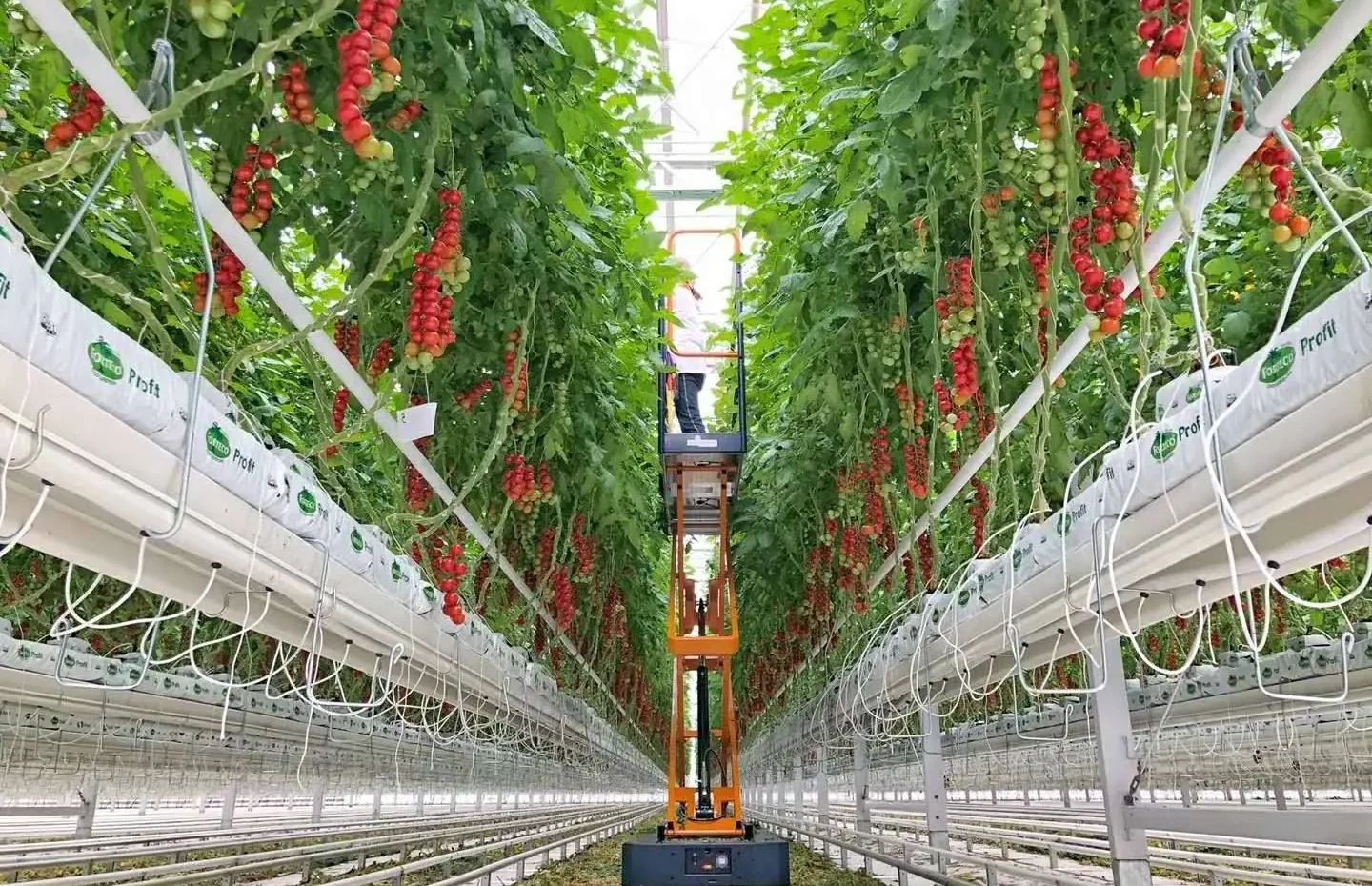
Why Tomato Grafting Nurseries Struggle with Labor, Uniformity and Healing, and How Automation Helps
A tomato grafting machine is often evaluated when a commercial nursery reaches the point where manual grafting capacity and quality control are no longer easy to manage at the same time. The underlying problem is rarely just the number of grafting workers. Tomato grafting depends on rootstock and scion seedlings reaching a compatible stage, repeatable cutting and joining, careful handling, and controlled healing after grafting. A weakness in any one stage can affect the number of usable plants delivered to the grower.
For commercial tomato nurseries, automation is most useful when it is treated as part of a production system. A seedling grafting robot can help standardise selected repeatable actions, but it does not remove the need to plan crop batches, prepare suitable seedlings, manage a healing room or inspect the finished plants. This article explains the three operational constraints that most often limit tomato grafting production and how to assess a practical automation path.
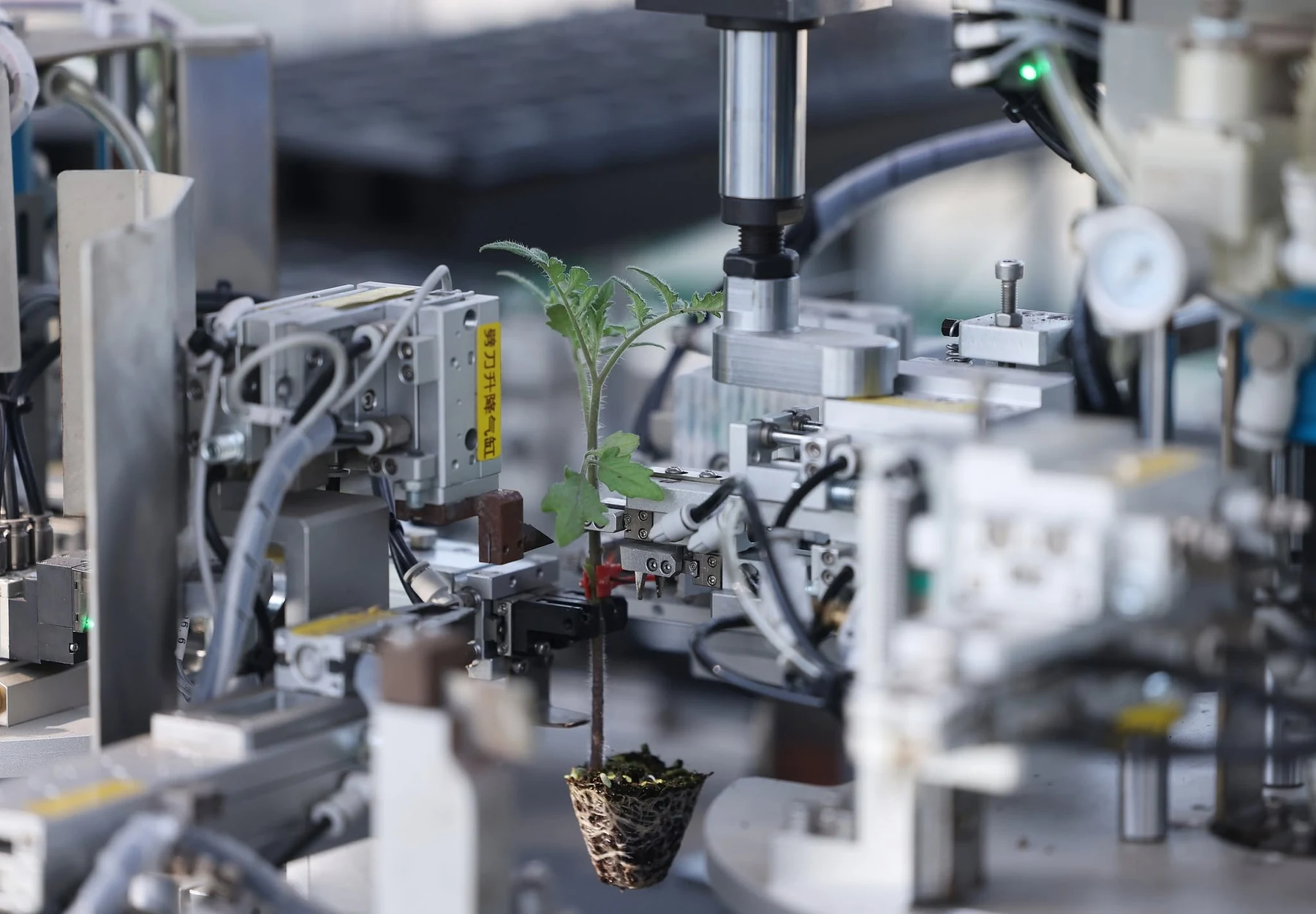
Tomato Grafting Is a Production System, Not One Manual Task
Tomato grafting joins a scion, which carries the selected tomato variety, to a rootstock chosen for relevant agronomic traits. In a commercial nursery, the process includes rootstock and scion production, seedling selection, cutting, alignment, joining, clip fixing or other graft support, transfer to healing, and reacclimation before dispatch.
The graft itself is only one link in that chain. Research and extension guidance consistently identify rootstock/scion synchronisation, stem diameter, compatibility and growing conditions as factors that affect whether seedlings are ready to graft. UK research on tomato grafting specifically highlights synchronisation and climatic conditions as technical obstacles. That is why a nursery can have capable operators and still see inconsistent results when batches arrive at the workstation with uneven stem sizes.
The wider AiGRAFT nursery automation product range covers the connected stages around commercial seedling production. For a tomato grafting project, the practical question is not simply “Which machine is fastest?” It is whether the rootstock trays, scion trays, operators, grafting station, healing space and target dispatch date can work as one controlled flow.
Three Constraints That Limit Commercial Tomato Grafting
1. Skilled Labor During Concentrated Grafting Windows
Manual tomato grafting is repetitive, precise work. Workers must select suitable seedlings, make clean cuts, align stems, apply a clip or support, and avoid damaging young tissue. During a concentrated grafting week, output can be limited by the number of people who can keep those actions accurate over a full shift.
This creates a planning problem as well as a labor problem. Adding more tables may increase nominal capacity, but it also increases the need for supervision, tray movement, material preparation and quick transfer into the healing area. If the grafting window is missed because rootstock and scion batches are no longer at compatible stages, the nursery may need to rework its schedule rather than simply work faster.
Machine-assisted grafting can move selected repetitive actions into a defined workstation cycle. In a semi-automatic workflow, operators can still load and visually check living seedlings while the equipment carries out configured cutting, positioning, joining and fixing actions. This is often relevant where the nursery wants to retain human judgement at loading but reduce dependence on fully manual hand movements.
2. Uniformity of Stem Matching and Repetitive Grafting Actions
Stem matching is one of the most important controls in tomato grafting. Rootstock and scion seedlings that differ too much in stage or diameter are harder to join consistently. The grower may also use several tomato varieties, rootstocks or tray batches in the same production week, increasing the risk that a visually similar seedling is not actually ready for the same grafting setup.
A tomato grafting robot cannot make incompatible plant material compatible. It can, however, provide a defined mechanical sequence once the nursery has sorted the batch and confirmed the configuration. This can help reduce variation in repeated cutting position, alignment and fixing steps. Operators still need to verify seedling condition, remove unsuitable material and monitor the process.
The commercial implication is important: a machine is not a substitute for nursery batch discipline. It is most practical when seedling age, stem diameter, tray format, rootstock/scion combinations and target capacity have been documented before selection.
3. Healing and Reacclimation After the Graft
The grafted seedling is not ready for sale when it leaves the grafting station. It needs an appropriate healing environment, followed by gradual acclimation. University of Kentucky guidance lists wilting, weak unions, rot and stretching among common tomato-grafting issues and points to humidity, temperature, light and sanitation as relevant management controls. UMass guidance likewise describes the need for protected healing and gradual return to greenhouse light.
This is the constraint that buyers sometimes underestimate when considering an automatic grafting machine. Higher grafting-station output can create a faster inflow of newly grafted plants. If healing-room capacity, tray handling or acclimation scheduling cannot absorb that flow, the bottleneck simply moves downstream.
Before investing, map the number of grafted trays that can enter healing each hour, the available bench area, environmental-control capability, inspection routine and planned exit schedule. The goal is a balanced process, not an isolated fast station.
Where a Tomato Grafting Machine Fits
The right level of automation depends on the maturity of the nursery process. The table below is a practical comparison, not a claim that one route fits every operation.
| Decision factor | Manual tomato grafting | Machine-assisted tomato grafting |
|---|---|---|
| Seedling loading and selection | Performed by operators | Often kept under operator control in semi-automatic workflows |
| Cutting, alignment and fixing | Repeated manually | Selected actions can be standardised by the confirmed machine configuration |
| Main strength | Flexible for changing batches and small workflows | More repeatable workstation rhythm for suitable, prepared batches |
| Main constraint | Relies heavily on sustained operator precision | Requires compatible seedlings, defined tray flow and technical evaluation |
| Healing requirement | Essential | Still essential; equipment does not replace healing management |
AiGRAFT’s current seedling grafting robot page describes both semi-automatic and higher-automation workflows. Its listed JFT-A1500T semi-automatic model is operator-fed and has a rated capacity of 1,500 seedlings per hour. Actual production planning should still account for crop, seedling condition, operator loading rhythm, batch quality and post-grafting handling rather than treating a rated figure as a forecast of site output.
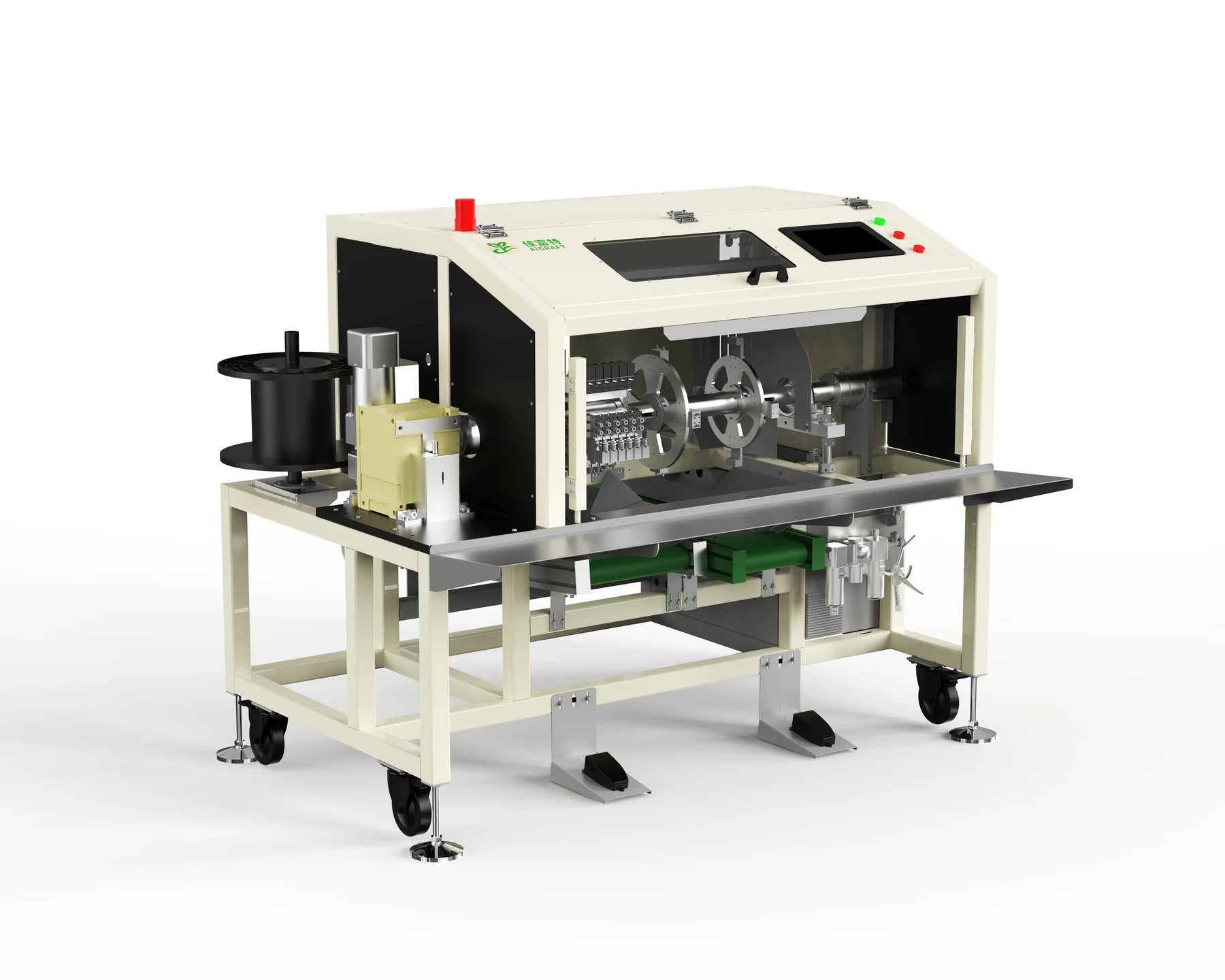
Selecting a Tomato Grafting Machine: What to Prepare
The most useful technical discussion begins with the actual seedlings, not only an hourly target. Prepare the following information before requesting a tomato grafting machine recommendation:
- Tomato crop type and scion varieties.
- Rootstock varieties and the intended reason for grafting.
- Seedling age or growth stage for rootstock and scion.
- Stem diameter range and clear close-up photos of both seedlings.
- Plug-tray dimensions, cell count, spacing and material.
- Current grafting method, clip or support method, and operator arrangement.
- Target grafting quantity per hour and per day, including peak weeks.
- Healing-room process: tray transfer, environmental control, bench capacity and acclimation sequence.
This information allows the supplier to evaluate crop structure and actual workflow fit. It also helps identify whether the priority is one semi-automatic station, a more automated feeding and handling approach, or a phased project that begins with one production constraint.
From One Station to a Connected Nursery Workflow
Many nurseries do not need to automate every stage at once. A reasonable first step is to stabilise the point where manual labor, batch variation or repetitive grafting actions cause the most disruption. Once that stage is controlled, the nursery can assess tray handling, inspection, grading or transplanting around it.
AiGRAFT’s integrated seedling grafting production lines are relevant for projects that need to connect grafting stations with tray handling and other nursery modules. The configuration should be based on the nursery’s site layout and process data, not on a generic line diagram.
For commercial tomato nurseries, the decision is therefore not “manual or automatic” in absolute terms. It is how to build a stable workflow in which seedling readiness, repeatable grafting actions and healing capacity develop at the same pace.
FAQ
What is a tomato grafting machine?
A tomato grafting machine assists or automates selected steps used to join tomato scion seedlings to rootstock seedlings. Depending on the model and configuration, it can support cutting, positioning, joining, fixing and transfer.
Can an automatic grafting machine solve tomato grafting failures by itself?
No. Equipment can make configured mechanical actions more repeatable, but success also depends on compatible rootstock and scion seedlings, stem matching, sanitation, operator setup and controlled healing conditions.
When is a semi-automatic tomato grafting machine a practical choice?
It can be a practical route when a nursery wants operators to continue selecting and loading seedlings while equipment standardises selected repetitive grafting actions. Final suitability depends on crop, tray, seedling condition, required capacity and current workflow.
What determines the capacity of a tomato grafting station?
Rated machine capacity is only one input. Site output also depends on seedling preparation, operator loading, tray logistics, batch uniformity, scheduled maintenance and how quickly grafted seedlings can enter healing.
What should a nursery send before requesting a quotation?
Send crop and variety details, rootstock and scion information, seedling age, stem diameter, tray specifications, current grafting method, target capacity and photos or videos of the current seedlings and workflow.
Discuss Your Tomato Grafting Workflow with AiGRAFT
If labor pressure, uneven batches or healing-room flow are limiting your grafted tomato output, share your seedling and process information first. AiGRAFT can then evaluate whether a semi-automatic tomato grafting machine, a higher-automation configuration or a staged nursery-automation plan is appropriate for your conditions.